
Modern vs Vintage Card Grading: How Submission Strategy Changes
The grading rules may be the same, but the smart way to submit modern cards is not the same as the smart way to submit vintage.

Last reviewed: April 2026. Service information, grading standards, and market context were checked against current hobby guidance and official source pages where applicable.
Modern cards tempt collectors with cleaner presentation and Gem Mint upside. Vintage cards fight back with scarcer supply, stronger nostalgia demand, and harsher condition reality. If you use the same submission logic for both, you usually misjudge one side of the equation.
Modern grading is about selectivity
Modern cards are often attractive because of high-grade premiums. That means selectivity matters. If the card is heavily opened, overprinted, or only compelling as a 10, reject aggressively. Borderline modern copies become expensive mistakes quickly.
Vintage grading is about scarcity and realism
Vintage cards do not need to be flawless to matter. Scarcity, historical demand, and authenticity can justify grading at lower grades than would ever make sense for modern. The real question is whether the card remains desirable in the grade range you actually expect.
Modern cards
- Stricter on centering and surface issues
- Often depend on Gem Mint premiums
- More vulnerable to population growth
- Best for true standouts, not maybes
Vintage cards
- More forgiving if scarcity is real
- Condition spreads still matter a lot
- Authentication and identification matter more
- Usually reward slower, more careful review
How to decide differently
For modern, ask whether the card still works if it misses Gem Mint. For vintage, ask whether it remains desirable and properly identified in the grade band you expect. Those sound similar, but they produce different submission behavior.
If you are sorting a mixed collection, use /identify for ambiguous older cards and use Master Grade to screen modern candidates more aggressively.
One rule that applies to both
Do not let the story overwhelm the evidence. A vintage card being old does not make it a great submission. A modern card being pack-fresh does not make it a 10. Use condition, economics, and your goal in that order.
Different eras need different grading discipline.
Build one process for modern screening and another for vintage review.
Related: Graded vs Raw Value, When to Submit Cards for Grading, and Which Cards Are Worth Grading?
Related Articles
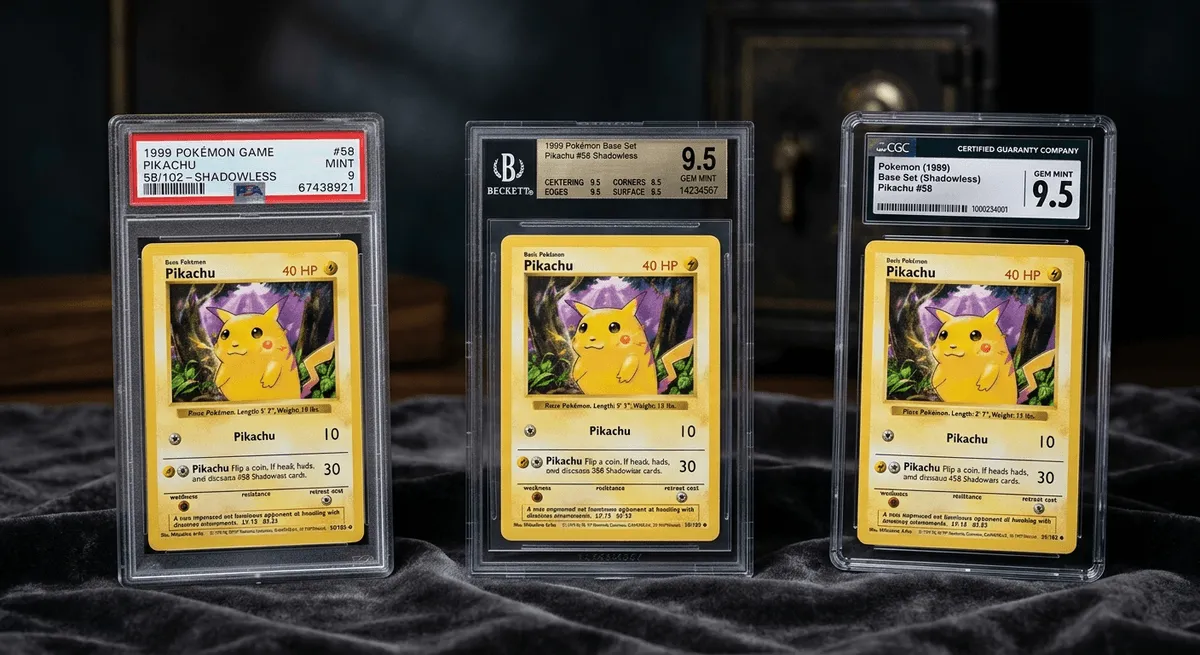
PSA vs BGS vs CGC: Which Grading Service Should You Use?
A detailed comparison of the three major card grading services. Cost, turnaround time, accuracy, market premium, and which is best for your collection.
March 31, 2026 · 6 min read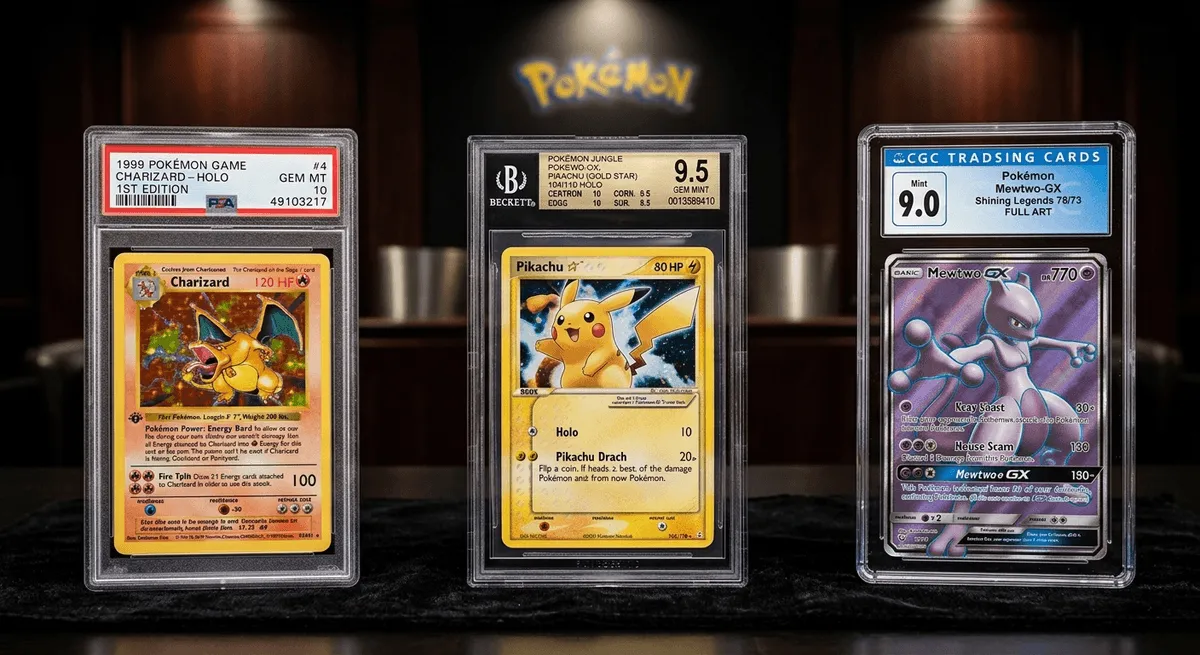
Best Card Grading Service for Pokémon: PSA, BGS, or CGC for Your Goal?
A decision guide for Pokémon collectors choosing between PSA, BGS, and CGC based on resale premium, subgrades, turnaround, and collection style.
April 1, 2026 · 8 min read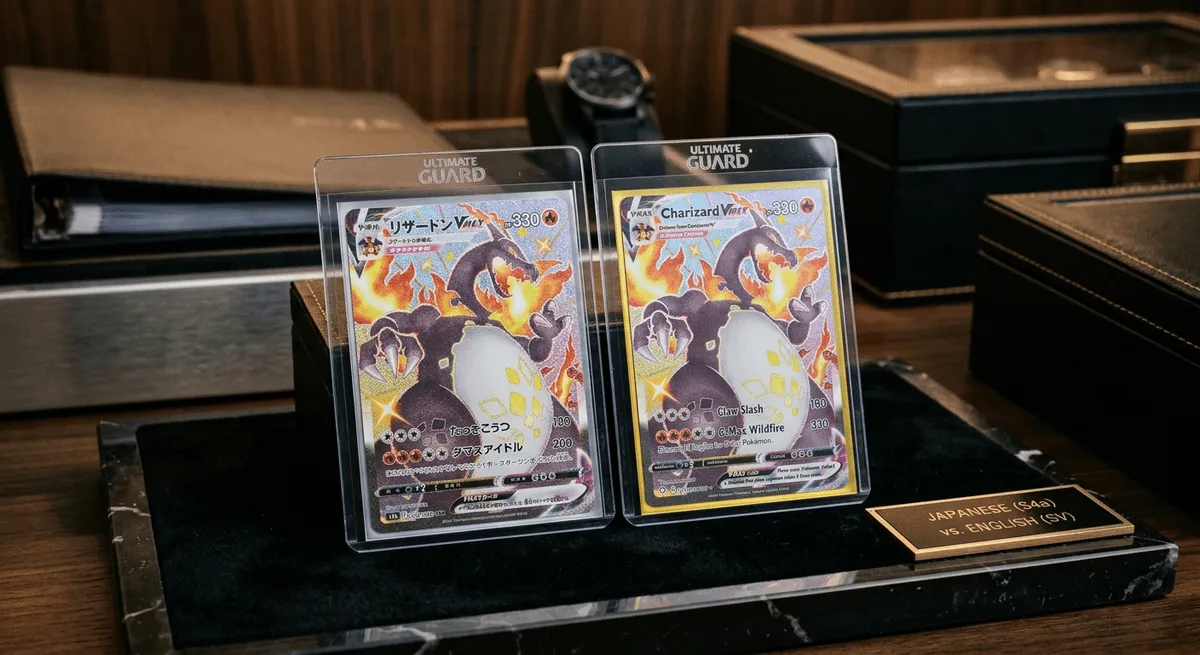
Japanese vs English Pokémon Cards: Grading and Value Differences
Japanese cards grade better and print cleaner — but English cards command bigger market premiums. The complete breakdown for collectors and investors.
April 1, 2026 · 8 min read
Day 1 of the 2026 Pokémon Los Angeles Regional Championships now underway featuring Pokémon VGC, Pokémon TCG and Pokémon GO events, tune in to the official livestream feeds here
The 2026 Pokémon Los Angeles Regionals are underway! Learn what this means for card collectors and how MasterGrade AI grading can help maximize value.
May 9, 2026 · 2 min read