
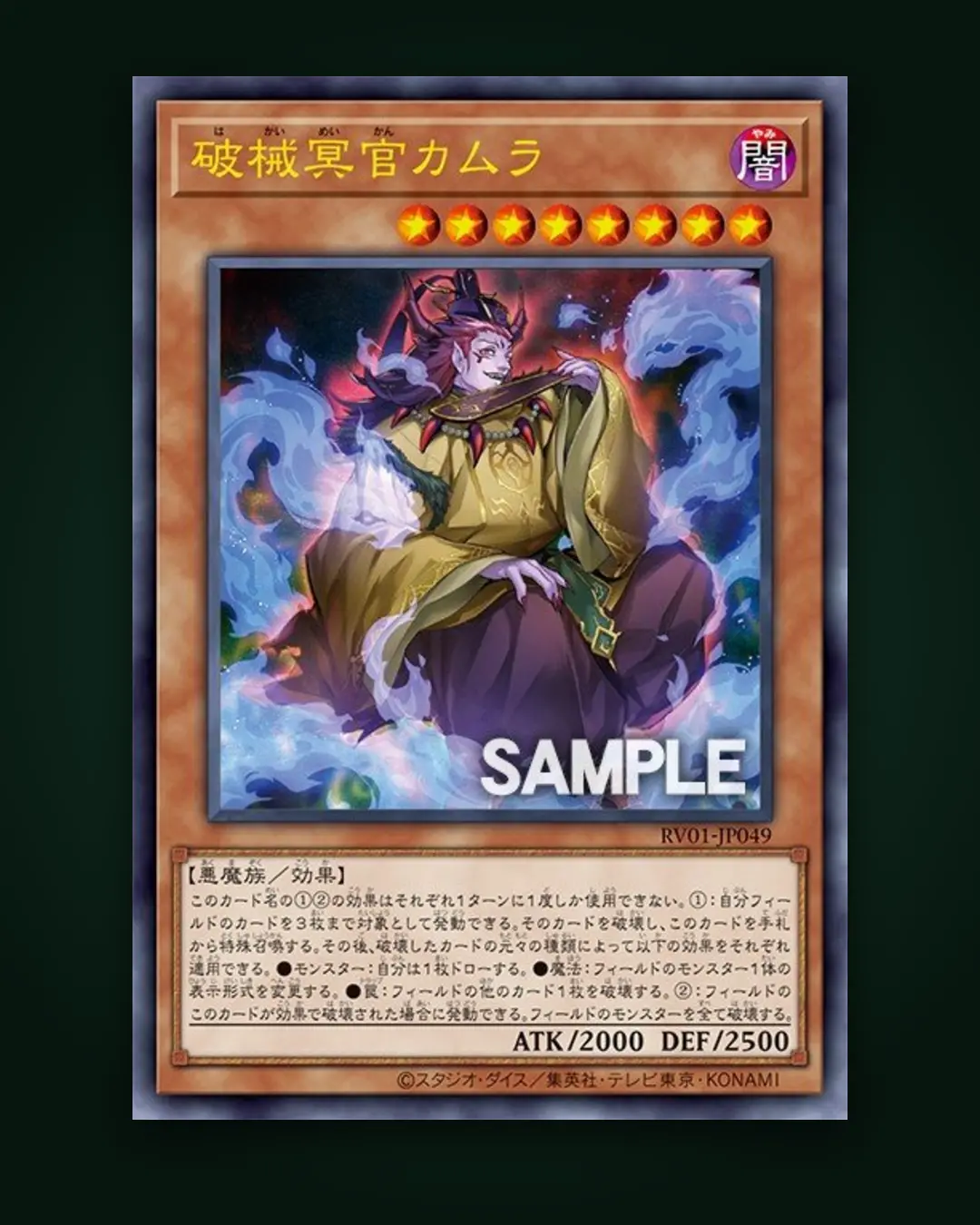
Reprints from “YU-GI-OH! ORIGINAL ARTWORK COLLECTION” [YAC1]: what it means for collectors
The recent announcement regarding the "Reprints from “YU-GI-OH! ORIGINAL ARTWORK COLLECTION” [YAC1]" has sent ripples through the Yu-Gi-Oh! collecting community, sparking urgent discussions about authenticity, value, and future market trends. This is not just another product release; it's a significant development that directly impacts how collectors perceive, identify, and grade some of the game's most iconic cards. With the Yu-Gi-Oh! Organization's detailed reporting on these reprints, the community is buzzing with questions, making this a critical moment for collectors to understand the implications for their portfolios and future acquisitions.
These Reprints from “YU-GI-OH! ORIGINAL ARTWORK COLLECTION” [YAC1] feature beloved original card artwork, such as the classic "Blue-Eyes White Dragon" and "Dark Magician," but critically, they are presented with modern card frames and text boxes. This distinction is paramount. Unlike direct re-releases that maintain original set identification and card numbers, these YAC1 iterations are distinct new printings. This article will break down what these changes mean for you, who is most affected, and provide concrete steps for navigating this evolving landscape, particularly concerning card grading and valuation.
Understanding the YAC1 Reprints: What Changed?
The core of the YAC1 announcement, as detailed by Yu-Gi-Oh! Organization, is the reintroduction of classic card art on newly designed cards. This isn't just a nostalgic nod; it's a deliberate design choice that has profound implications for the secondary market.
Visual Distinctions and Card Information
Previously, reprints typically either mirrored the original card's design entirely (e.g., promotional reprints) or were clearly marked as part of a modern set with entirely new artwork or updated effects. The YAC1 reprints take a different approach:
- Original Artwork: The primary draw is the return of the classic illustrations for fan-favorite monsters.
- Modern Card Frame: The card borders, text box layout, and holographic elements (if any) will align with current Yu-Gi-Oh! card design standards, not the vintage aesthetics of their original counterparts.
- New Card Numbers and Set IDs: This is the most critical detail. The YAC1 reprints will possess unique card numbers and set identification codes (e.g., YAC1-JP001 for "Blue-Eyes White Dragon") that are distinct from the original printings (e.g., LOB-001 or SDK-001). This fundamental difference is what allows official grading services like PSA, BGS, and CGC to differentiate them.
Why This is Happening Now
The timing of these reprints capitalizes on a booming interest in vintage Yu-Gi-Oh! cards and a growing collector base. By offering iconic artwork in a modern format, Konami can appeal to new players and budget-conscious collectors who desire the aesthetic without the prohibitive cost of original, high-grade vintage cards. For the market, it introduces a fresh supply of cards bearing highly desired art, which can initially create confusion but ultimately carves out a new segment within the collecting ecosystem.
Who Is Affected by the YAC1 Reprints?
The impact of the YAC1 reprints is broad, touching various segments of the Yu-Gi-Oh! collecting community.
Owners of Original Vintage Cards
If you own a first edition "Blue-Eyes White Dragon" from Legend of Blue Eyes White Dragon (LOB) or Starter Deck Kaiba (SDK), you might be wondering about the value of your prized possessions. The good news, based on historical market trends and the distinct nature of YAC1, is that the long-term intrinsic value of original vintage cards is likely to remain robust.
- Distinct Identity: Graded originals, particularly those in high condition (e.g., PSA 9 or 10), derive their value from their historical significance, scarcity, and specific print run. Since YAC1 reprints have different set IDs and card numbers, they are not direct replacements for the originals.
- Short-Term Volatility: There might be a brief period of market adjustment or confusion as the YAC1 reprints enter circulation. Some uninformed buyers might initially mistake them for originals, or the increased availability of the artwork could temporarily shift demand. However, reputable graders and experienced collectors understand the difference.
- Verification is Key: Owners of originals must be prepared to clearly articulate the authenticity and specific print details of their cards. This reinforces the need for professional grading.
New Collectors and Budget-Conscious Buyers
The YAC1 reprints offer an exciting opportunity for collectors who have always admired the classic artwork but found the price of high-grade originals out of reach.
- Accessibility: These reprints make iconic art accessible at a potentially much lower price point, allowing more people to collect cards they love.
- Understanding the Difference: It is crucial for new collectors to understand that these are reprints and not original vintage cards. While they share artwork, their market value and historical significance are entirely different. This distinction is paramount when buying, selling, or grading.
Investors and Speculators
For those looking at Yu-Gi-Oh! cards as an investment, the YAC1 reprints add a layer of complexity that requires careful analysis.
- Due Diligence: Investors must exercise extreme caution to avoid confusing YAC1 reprints with original printings. A "Blue-Eyes White Dragon" from YAC1, even in a PSA 10, will command a vastly different price than a PSA 10 LOB-001.
- Market Segmentation: The YAC1 reprints will likely create a new, distinct market segment. Understanding the demand and supply for this new segment will be key to any investment strategy.
- Long-Term vs. Short-Term: While original vintage cards have demonstrated long-term appreciation, the long-term trajectory for YAC1 reprints is yet to be determined and will depend on their rarity, print run, and collector sentiment over time.
Direct Grading and Collector Implications
The introduction of the YAC1 reprints has immediate and significant implications for grading and the overall collector experience.
How Grading Services Will Differentiate
Official grading companies like PSA, BGS, and CGC base their identification and authentication processes on specific card numbers, set IDs, and print information.
- Unique Database Entries: The YAC1 reprints will receive their own unique entries in grading databases. For instance, a "Blue-Eyes White Dragon" from YAC1 will be logged as YAC1-JP001 (or its equivalent) and will have its own population report, separate from LOB-001 or SDK-001.
- Labeling: Graded YAC1 cards will have labels that clearly state their set and card number, leaving no ambiguity about their identity. This is critical for maintaining market transparency.
- Authentication Focus: Graders will pay close attention to the card frame, text box, and other modern features to confirm it is indeed a YAC1 reprint and not a counterfeit vintage card.
The Financial Impact: A Concrete Example
Let's consider the "Blue-Eyes White Dragon."
- Original LOB-001 (First Edition): A PSA 10 First Edition "Blue-Eyes White Dragon" from the Legend of Blue Eyes White Dragon set is an extremely rare and valuable card. Based on current market trends and projected appreciation, a pristine example in 2026 could easily command prices in the range of $7,000 to $12,000 USD or even higher, depending on market liquidity and specific auction outcomes. Its value is driven by its scarcity, historical significance as a cornerstone card, and pristine condition.
- YAC1-JP001 "Blue-Eyes White Dragon" Reprint: A "Blue-Eyes White Dragon" from the YAC1 collection, even if graded a PSA 10, will be valued entirely differently. Its value will be based on its own rarity within the YAC1 print run, its condition, and collector demand for this specific reprint. We can anticipate that a PSA 10 YAC1 "Blue-Eyes White Dragon" in 2026 might trade in the range of $75 to $250 USD, assuming it's not an ultra-limited production. The difference in value underscores the importance of correct identification.
This stark contrast highlights why accurate identification is not just about historical accuracy but about significant financial implications. Using a reliable tool like MasterGrade's free AI card grader for an initial pre-screen can save you from potential misidentification before you commit to a paid submission.
What to Do Next: Concrete Steps for Collectors
Navigating the influx of YAC1 reprints requires a proactive and informed approach. Here are the concrete steps you should take:
1. Identify Your Cards Accurately
- For Existing Collections: Carefully review any vintage-looking cards you own that might be mistaken for YAC1 reprints, or vice-versa. Pay close attention to:
- Set ID and Card Number: These are usually printed on the bottom right or left of the card text box. Original vintage cards have older set IDs (e.g., LOB, SDK, MRD), while YAC1 reprints will have new ones (e.g., YAC1-JPXXX).
- Card Frame and Text Box: Compare the overall design, font, and layout to known images of both original vintage cards and the announced YAC1 reprints.
- Hologram/Eye of Anubis: Check for the presence and style of the hologram, which can vary between print runs and editions.
- For New Purchases: Before buying any card with classic artwork, especially online, demand clear images of the set ID, card number, and overall card frame. If the seller cannot provide this, or if there's any ambiguity, proceed with extreme caution or avoid the purchase.
- Utilize Identification Tools: If you're unsure, tools like MasterGrade's card identifier can help cross-reference images against known databases.
2. Prioritize Professional Grading for Key Cards
- Secure Your Originals: If you own valuable original vintage cards, getting them professionally graded by PSA, BGS, or CGC is more crucial than ever. A slabbed card with a clear identification label (e.g., "1st Edition LOB-001 Blue-Eyes White Dragon") provides undeniable proof of authenticity and provenance, protecting its value against market confusion.
- Consider Grading YAC1 Reprints: While YAC1 reprints won't achieve the same value as originals, grading high-condition examples could be worthwhile if the print run is limited or if a collector market for pristine YAC1 cards emerges. This is more speculative, but a graded YAC1 card will always be more liquid and identifiable than an raw one.
3. Educate Yourself Continuously
- Stay Informed: Follow reputable Yu-Gi-Oh! news sources (like Yu-Gi-Oh! Organization) and grading community discussions. Product releases and market dynamics change rapidly.
- Understand Market Nuances: Learn to differentiate between "reprint," "alternate art," "original print," and "first edition." Each term carries significant weight in valuation.
- Consult Pricing Data: Regularly check established marketplaces and auction results. Tools that offer pricing data can help you track actual sales for both original and new reprint versions once they hit the market.
4. Leverage MasterGrade's AI Pre-Screen
Before you commit to the often considerable cost and time associated with professional grading submissions (which can easily exceed $30 per card), use MasterGrade's free AI card grader. Our AI can provide an immediate pre-screen, assessing centering, corner wear, edge damage, and surface imperfections. This helps you:
- Identify High-Grade Candidates: Quickly determine which cards have the best chance of achieving a high grade, optimizing your grading budget.
- Spot Obvious Flaws: Catch issues that might lead to a low grade, allowing you to re-evaluate whether a paid submission is worthwhile.
- Differentiate Effectively: While our AI focuses on condition, the visual assessment can help you confirm distinctions between card versions if you're comparing against known images.
The Reprints from “YU-GI-OH! ORIGINAL ARTWORK COLLECTION” [YAC1] represent a significant shift in the Yu-Gi-Oh! collecting landscape. By understanding the factual distinctions, preparing your collection, and utilizing the right tools, you can confidently navigate this new era. Ensure your collection's value is protected and that you're making informed decisions, whether you're a seasoned investor or a passionate new collector. Start by getting a clear picture of your cards' condition and authenticity.
Ready to assess your collection? Head over to MasterGrade's pricing page to learn more about our comprehensive grading solutions, or jump straight to our free AI grader to get started today.
Get card-grading tips & market news
Join collectors getting our best grading guides, value alerts, and set breakdowns. A few emails a month — no spam.
Stay in the loop
Get notified about new features, grading tips, and market updates.
Frequently asked questions
Are YAC1 reprints considered original vintage cards?
No, YAC1 reprints are new printings with modern card frames and
Related guides
[MW] Ancient Cards Return to a Modern Metagame: what it means for collectors
Master Duel's latest update unbans old cards! Learn how this affects card values, grading, and your collection strategy. A collector's guide for 2026.
GuideVarious OCG-AE Cards [OCG-AE]: what it means for collectors
Various OCG-AE Cards [OCG-AE]: what it means for collectors — expert guide for card collectors on MasterGrade.
GuideFake Yu-Gi-Oh! Cards: Authentication Checklist Before Grading
Fake Yu-Gi-Oh! Cards: Authentication Checklist Before Grading — expert guide for card collectors on MasterGrade.
Grade your cards with AI
Upload a photo and get an instant condition grade with sub-scores and estimated values.
Grade a card free