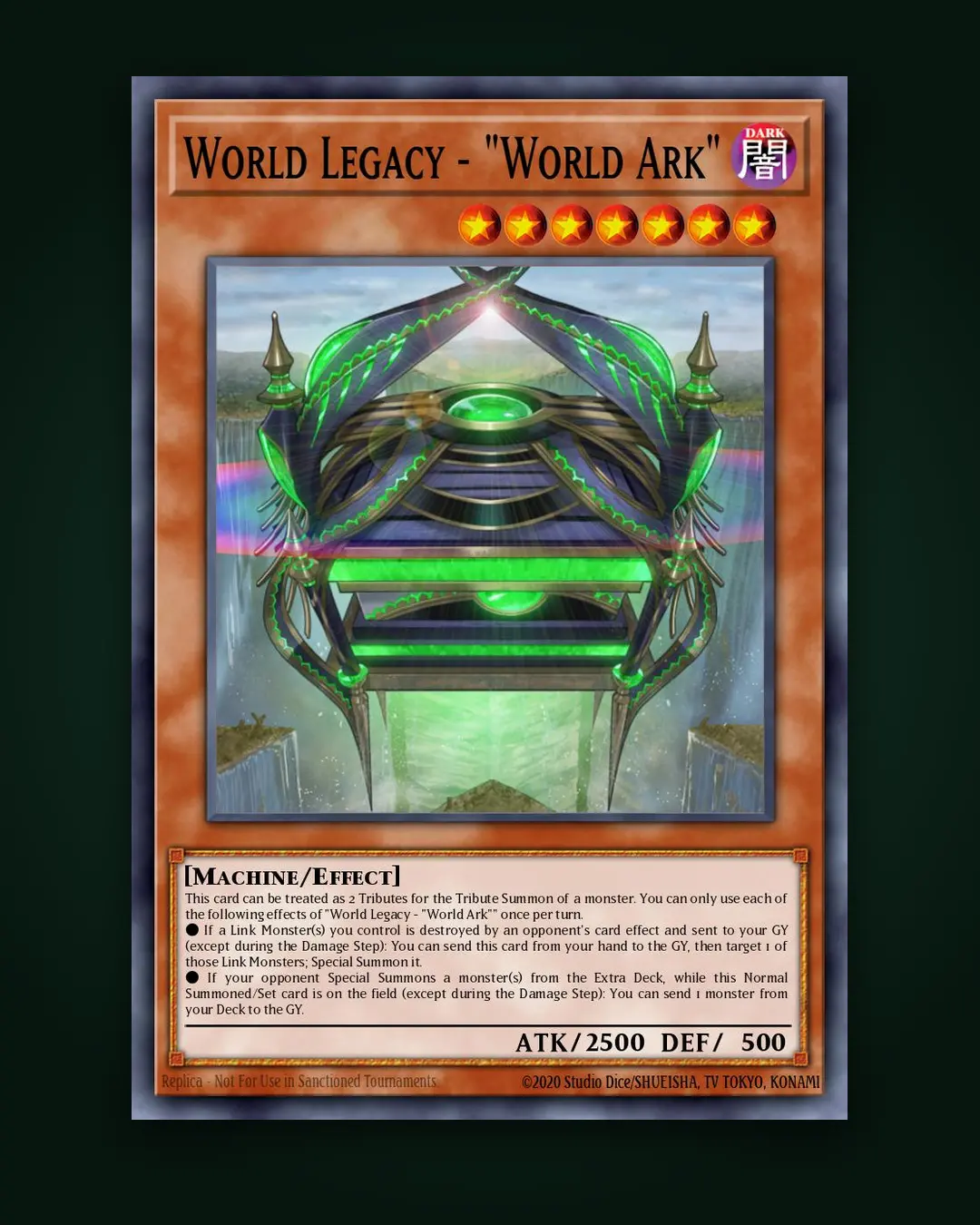
The market for rare and valuable Yu-Gi-Oh! cards has exploded, with iconic pieces fetching six-figure sums. This surge in value has unfortunately attracted a darker element: sophisticated counterfeiters. Identifying fake Yu-Gi-Oh! cards is no longer just about spotting obvious errors; it requires a keen eye and a systematic approach to authentication. Before you invest in a card or submit it for professional grading, performing a thorough pre-screen at home is critical. MasterGrade's AI-powered platform offers a powerful initial check, but understanding the red flags yourself empowers you to make informed decisions. Start your journey by utilizing MasterGrade's free AI card grader to get an immediate pre-submission assessment.
The Rising Threat of Counterfeit Yu-Gi-Oh! Cards
The Yu-Gi-Oh! TCG market has seen unprecedented growth, particularly for vintage and highly sought-after cards. A first edition "Blue-Eyes White Dragon" from the Legend of Blue Eyes White Dragon (LOB) set, for example, can command over $100,000 in a PSA 10 grade, with auction data from Q1 2026 showing continued appreciation for pristine examples. This high value makes these cards prime targets for counterfeiters, who have developed advanced printing techniques to mimic genuine products. The cost of a professional grading submission from services like PSA, BGS, or CGC can range from $30 to hundreds, or even thousands, for high-value cards, making a preliminary authenticity check essential to avoid wasting time and money on a fake.
Key Authentication Checkpoints: What to Look for at Home
A comprehensive visual inspection is your first and most crucial defense against fake Yu-Gi-Oh! cards. Equip yourself with a jeweler's loupe (10x magnification is ideal), a strong light source, and a known genuine card for comparison.
Card Stock and Feel
Genuine Yu-Gi-Oh! cards are printed on a specific card stock with a distinct weight, thickness, and texture.
Flexibility: Authentic cards possess a certain rigidity but are not overly stiff or flimsy. Fakes often feel either too thin and flexible or too thick and rigid, sometimes with a waxy or excessively smooth coating.
Edges: Real cards have clean, precise cuts. Counterfeits may exhibit slightly rougher or inconsistent edges, sometimes with visible layering if printed on multiple paper types.
Core Layer: Experienced collectors sometimes perform a "light test" or carefully examine the edge of a card for its core layer. Genuine cards typically have a dark, often blueish, core layer between the front and back print. This is difficult to replicate consistently for counterfeiters.
Print Quality and Text
Subtle differences in printing are often the most telling signs of a fake.
Resolution: Authentic cards feature sharp, high-resolution imagery and text. Fakes frequently suffer from blurriness, pixelation, or a general lack of crispness, especially in fine details like small text, copyright information, or artwork lines.
Font Consistency: Pay close attention to the font used for the card name, type, effect text, and set number. Counterfeiters often use incorrect fonts, or the spacing and kerning might be off. Compare it meticulously with a known genuine card.
Color Saturation: Genuine cards have consistent and vibrant color profiles. Fakes may appear washed out, overly bright, or have incorrect color tones that don't match the original card's palette.
Attribute/Type Icon: Examine the attribute icon (e.g., Light, Dark, Fire) and the monster type icon (e.g., Dragon, Spellcaster). These should be perfectly centered, sharp, and correctly colored. Blurry or off-center icons are major red flags.
Holofoil Patterns
The holofoil (or "foil") pattern is one of the most difficult elements for counterfeiters to replicate accurately.
Rarity-Specific Foils: Different card rarities (e.g., Super Rare, Ultra Rare, Secret Rare, Ultimate Rare, Collector's Rare, Starlight Rare) have distinct holofoil patterns. Understand the correct pattern for the specific rarity of the card you are examining. For example, Ultra Rares typically have foil on the card name, while Secret Rares have a unique diagonal "shatter" foil pattern across the entire artwork.
Light Reflection: Genuine holofoils reflect light evenly and dynamically, creating a depth effect. Fakes often have flat, dull, or overly reflective foils that look like a sticker. Under a strong light, genuine foils show a clear, consistent pattern, whereas fakes might show uneven glints or a coarse texture.
Placement: Ensure the holofoil is correctly applied and doesn't bleed into areas it shouldn't, or conversely, isn't missing from areas it should cover.
Eye of Anubis Hologram
Every genuine Yu-Gi-Oh! card released since the Legend of Blue Eyes White Dragon set features a small, silver-square hologram in the bottom right corner of the artwork box. This is a critical security feature.
Clarity and Detail: The hologram should clearly depict the Eye of Anubis symbol, with crisp lines and discernible details.
Color Shift: When tilted under light, a genuine hologram will shift colors (typically green to gold) and sometimes show the word "KONAMI" within the Eye. Fakes often have a flat, static hologram that doesn't change color, or it might be poorly printed, blurry, or simply a metallic sticker.
Placement and Size: Ensure the hologram is perfectly square, correctly sized, and precisely placed. Inconsistent placement or size is a clear indicator of a counterfeit.
Set and Card Information Mismatches
This check requires some knowledge of Yu-Gi-Oh! sets and card mechanics.
Set ID and Rarity: Every card has a set ID (e.g., LOB-001) below the artwork. Verify that this ID corresponds to the correct set and that the card's rarity (e.g., Ultra Rare) is consistent with how it was printed in that specific set. A quick search on a reputable database or using MasterGrade's card identifier tool can help.
Card Type/Effect: Read the card text carefully. Fakes sometimes contain grammatical errors, incorrect effect wording, or inconsistent ATK/DEF values that deviate from the official card database.
Copyright Information: The small copyright text at the bottom of the card should be accurate, including the year and company name (© Studio Dice/SHUEISHA, TV TOKYO, KONAMI). Mismatches or misspellings are clear signs of a fake.
Discrepancies in Card Dimensions and Weight
While less common with sophisticated fakes, subtle variations can still exist.
Size: Genuine Yu-Gi-Oh! cards are precisely 59mm x 86mm. Slight deviations, even by a millimeter, can indicate a fake. Use a caliper for precise measurement if you suspect an issue.
Weight: Authentic cards have a consistent weight. While you won't typically carry a scale, if a card feels noticeably lighter or heavier than a known genuine card, it warrants further investigation.
Distinguishing Print Defects from Fakes
It's crucial to differentiate between genuine manufacturing errors (print defects) and deliberate counterfeits. Print defects, while sometimes visually jarring, do not make a card fake and can even enhance its value in niche markets.
Common Print Defects
Minor Print Lines/Dots: Small, isolated print lines or dots can occur during the printing process. These are usually random and do not affect the overall print resolution.
Roller Marks: Faint, horizontal or vertical lines from the printing press rollers.
Off-Centering: The artwork box or overall card design is shifted, leaving uneven borders. This is a common defect and heavily impacts grading, which is why tools like MasterGrade's centering tool are invaluable.
Color Streaks/Smudges: Accidental ink application during printing.
Minor Holofoil Shift/Misalignment: The holofoil layer might be slightly off-center or misaligned with the artwork, but the holofoil itself is authentic.
Deliberate Counterfeit Indicators
These are systematic flaws designed to mimic a real card, but failing in consistency or quality.
Consistent Blurriness: Unlike random print dots, a fake card will often have a consistent, low-resolution blur across all text and images.
Incorrect Holofoil Pattern/Texture: If the holofoil pattern does not match the card's rarity, or if its texture feels like a sticker, it's a fake.
Incorrect Card Stock: The card feels universally wrong – too thin, too thick, too glossy, or too matte.
Mismatched Information: Any discrepancy in set ID, copyright, or card text that is fundamentally incorrect for the card's release is a definitive sign of a counterfeit.
Seller Scams and Red Flags
Beyond the card itself, the circumstances of a purchase can reveal a lot about its authenticity.
"Too Good to Be True" Deals
If a highly valuable card, such as a first edition "Dark Magician" from Legend of Blue Eyes White Dragon (LOB-005), which could fetch upwards of $50,000 for a PSA 10 in Q1 2026, is being offered for a fraction of its market value, proceed with extreme caution. This is the most common red flag for fake cards or outright scams. Always reference current market prices on reputable platforms or use MasterGrade's pricing page for up-to-date valuations.
Poor Seller Reputation/History
New Accounts: Be wary of sellers with brand new accounts, especially if they're selling high-value items.
Negative Feedback: Consistently negative feedback, especially concerning authenticity or item description accuracy, is a major warning.
Low Sales Volume for High-Value Items: A seller with only a few sales, all for low-value items, suddenly listing a rare, expensive card should trigger suspicion.
Unclear or Limited Photos
Reputable sellers understand the need for detailed photos.
Low Resolution/Blurry Images: If the seller provides only poor-quality images where details are obscured, they might be trying to hide imperfections or reveal the card's inauthenticity.
Limited Angles: Only showing the front of the card, or avoiding close-ups of specific areas (like the hologram or text), is suspicious.
Stock Photos: Using generic stock photos instead of actual pictures of the card being sold is a huge red flag. Always request specific photos of the actual card, including front, back, corners, edges, and close-ups of the foil and hologram.
Lack of Provenance
For extremely high-value cards, sellers should ideally be able to provide some history of the card's ownership or how it was acquired. While not always possible, a complete lack of any background for a significant investment piece can be concerning.
Your At-Home Pre-Grading Checklist
Before you commit to a grading submission, follow this systematic checklist:
Gather Tools: Obtain a 10x jeweler's loupe, a bright LED light source, and a known genuine Yu-Gi-Oh! card of similar vintage for direct comparison.
Examine Card Stock:
Compare the weight and thickness to your genuine reference card.
Feel the texture – is it too smooth, waxy, or rough?
Inspect the edges for clean cuts and the potential dark core layer.
Inspect Print Quality (with loupe):
Check for pixelation or blurriness in the artwork, text, and copyrightGrade your cards with AI
Upload a photo and get an instant condition grade with sub-scores and estimated values.
Grade a card free