
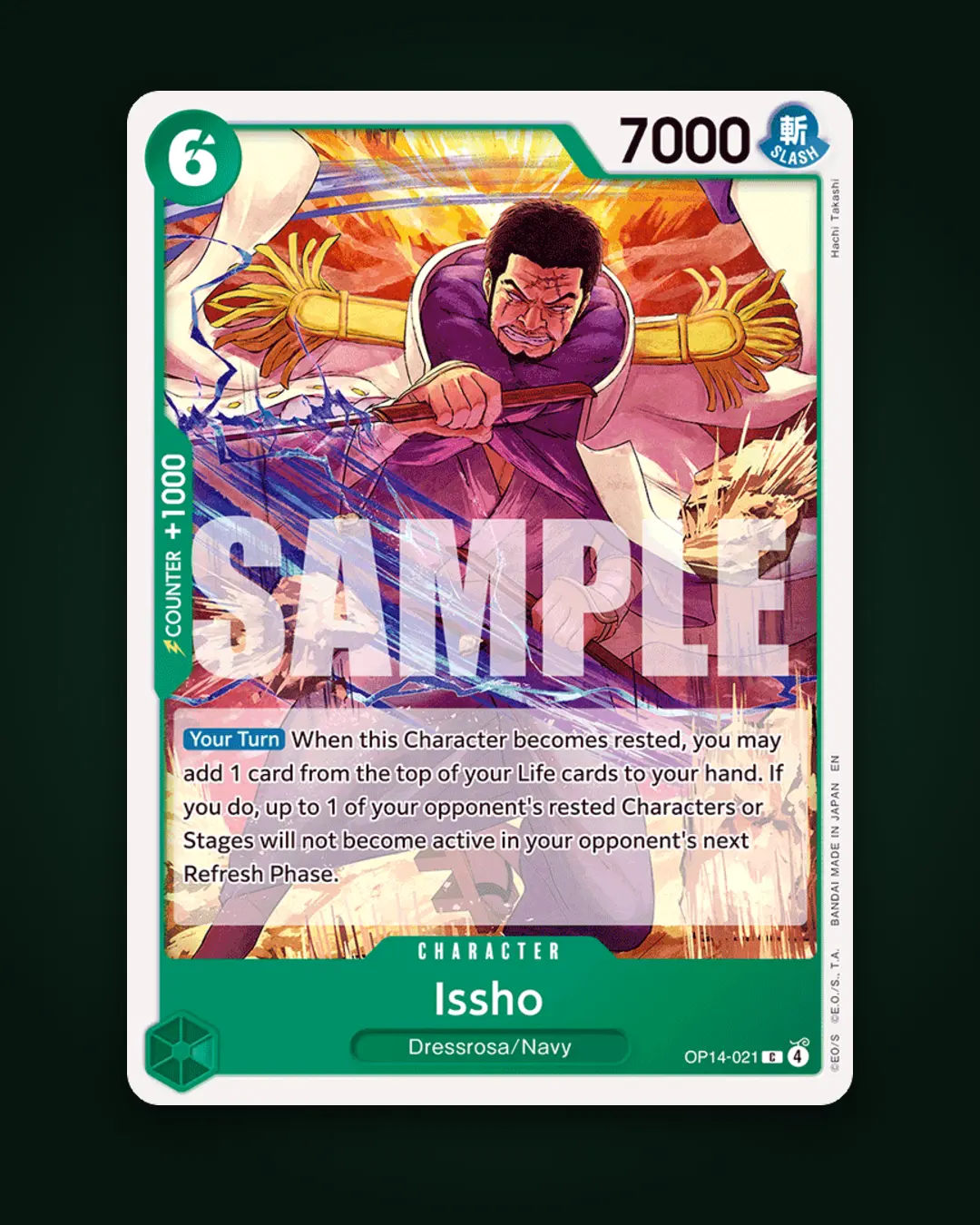
One Piece TCG Scalpers Cause Weekly Shonen Jump Shortage - Kotaku: what it means for collectors
The world of TCG collecting is dynamic, often reacting to real-world events that shift market values and collector strategies. Currently, the spotlight is firmly on the One Piece Card Game (OPCG) due to a significant development reported by Kotaku: One Piece TCG Scalpers Cause Weekly Shonen Jump Shortage - Kotaku. This isn't just a headline for manga readers; it carries direct and immediate implications for card collectors, affecting everything from card availability and condition to long-term value and grading considerations.
For collectors, understanding the ripple effects of this shortage is paramount. It's a prime example of how external factors can create urgency and volatility in the TCG market. This timely situation demands a clear, fact-based analysis of what happened, who is impacted, and what steps you, as a collector, should take to protect and enhance your collection.
What Changed? The Weekly Shonen Jump Shortage Explained
The core of the issue, as detailed by Kotaku, revolves around specific promotional cards for the One Piece Card Game being included in recent issues of Weekly Shonen Jump (WSJ) magazine in Japan. Specifically, issues #34 and #35 (2024) included highly sought-after promo cards: Monkey D. Luffy (ST01-001) and Trafalgar Law (ST01-007).
These aren't just any cards; they are special edition promos of iconic characters, often featuring unique artwork or foiling. The scarcity of these particular promos, combined with the immense popularity of the One Piece franchise globally, created a perfect storm for scalping. Individuals or groups are reportedly purchasing entire stocks of Weekly Shonen Jump magazines from bookstores and convenience stores, not for the manga content, but solely to extract these valuable cards.
This aggressive acquisition strategy has led to a widespread shortage of Weekly Shonen Jump magazines across Japan. While the primary victims are manga enthusiasts unable to purchase their weekly reading, the secondary and equally significant impact is on the legitimate TCG market. The source of these promo cards is now severely constrained, making it incredibly difficult for genuine collectors to acquire them directly from the primary distribution channel.
Who Is Affected? Beyond Manga Readers
The effects of this Weekly Shonen Jump shortage extend far beyond frustrated manga fans:
Direct Grading and Collector Implications
The Weekly Shonen Jump shortage and subsequent market frenzy have several critical implications for grading and collecting these specific One Piece TCG promo cards.
#### Scarcity and Value Acceleration
The artificial scarcity created by scalping immediately drives up the raw card value. When a card becomes difficult to obtain through legitimate channels, its price on the secondary market naturally inflates. For example, a raw Monkey D. Luffy (ST01-001) promo card that might have initially been worth a few dollars could now command significantly more, even prior to professional grading.
This rapid price acceleration makes professional grading even more crucial. A high-grade copy of a card with established scarcity will always fetch a premium. However, the condition of these cards, given their origin, is a major concern.
#### Condition Concerns: The "Magazine Pull" Challenge
Unlike booster pack pulls, cards acquired from magazines present unique challenges regarding condition. These cards are often:
These factors directly impact a card's potential grade. A card that might otherwise be a strong candidate for a PSA 10 or BGS 9.5 could easily drop to a 9 or lower due to a single factory imperfection, or, more likely in this scenario, damage incurred during extraction or handling. Key grading criteria such as centering, corners, edges, and surface become even more critical to scrutinize. For example, a minor tear on an edge could prevent a card from ever achieving a Gem Mint grade, regardless of how perfect its other attributes are.
Before you consider sending any card for professional grading, it's essential to assess its condition meticulously. This is where tools like MasterGrade's free AI card grader become invaluable. Our AI can pre-screen your card for centering, corners, edges, and surface imperfections, giving you an objective baseline before you commit to the $30+ cost of a professional submission. Using our centering tool can be particularly helpful for magazine-sourced cards, as uneven cuts can significantly impact this key grading factor.
#### Authentication and Provenance
While the immediate source (Weekly Shonen Jump magazine) provides a degree of provenance, the secondary market can introduce risks. As prices soar, the incentive for counterfeiting increases. Always verify the seller and the card's authenticity if purchasing from unverified sources. Professional grading by PSA, BGS, or CGC also provides authentication, adding a layer of security and trust for high-value cards.
#### Market Volatility and Long-Term Value
The current market for these WSJ promo cards is highly volatile. While prices are inflated now, it's difficult to predict long-term stability. Factors like future re-releases of the promo, new printings with different art, or a shift in the One Piece TCG meta could all impact value. However, truly scarce, high-grade examples of iconic characters tend to hold their value well over time. The key differentiator will be grade. A PSA 9 or 10 will always be significantly more liquid and valuable than a raw copy or a lower-grade example.
A Case Study: Monkey D. Luffy (ST01-001) Promo from WSJ
Let's consider the Monkey D. Luffy (ST01-001) promo card from Weekly Shonen Jump #34. As of early 2026, based on projected market trends for highly sought-after One Piece TCG promo cards experiencing initial scarcity, a raw, near-mint copy might trade for approximately $70-$120 on the secondary market. However, the true value potential lies in professional grading.
This example clearly illustrates why meticulous condition assessment and professional grading are paramount for these now-scarce promo cards. The difference in value between a raw card and a Gem Mint graded card can be tenfold or more.
What to Do Next: Navigating the Volatile Market
Given the current market conditions, collectors need to be strategic and proactive. Here are concrete steps:
Get card-grading tips & market news
Join collectors getting our best grading guides, value alerts, and set breakdowns. A few emails a month — no spam.
Stay in the loop
Get notified about new features, grading tips, and market updates.
Related guides
One Piece Card Game Announces 4th Anniversary Set as 9 New Promo: what it means for collectors
One Piece Card Game Announces 4th Anniversary Set as 9 New Promo: what it means for collectors — expert guide for card collectors on MasterGrade.
GuideONE PIECE Card Game Reveals 28 New Cards for 4th Anniversary Booster: what it means for collectors
ONE PIECE Card Game Reveals 28 New Cards for 4th Anniversary Booster: what it means for collectors — expert guide for card collectors on MasterGrade.
GuideONE PIECE Card Included with Jump as Shueisha Prints 500,000 Extra: what it means for collectors
ONE PIECE Card Included with Jump as Shueisha Prints 500,000 Extra: what it means for collectors — expert guide for card collectors on MasterGrade.
Grade your cards with AI
Upload a photo and get an instant condition grade with sub-scores and estimated values.
Grade a card free