
ONE PIECE Card Included with Jump as Shueisha Prints 500,000 Extra: what it means for collectors
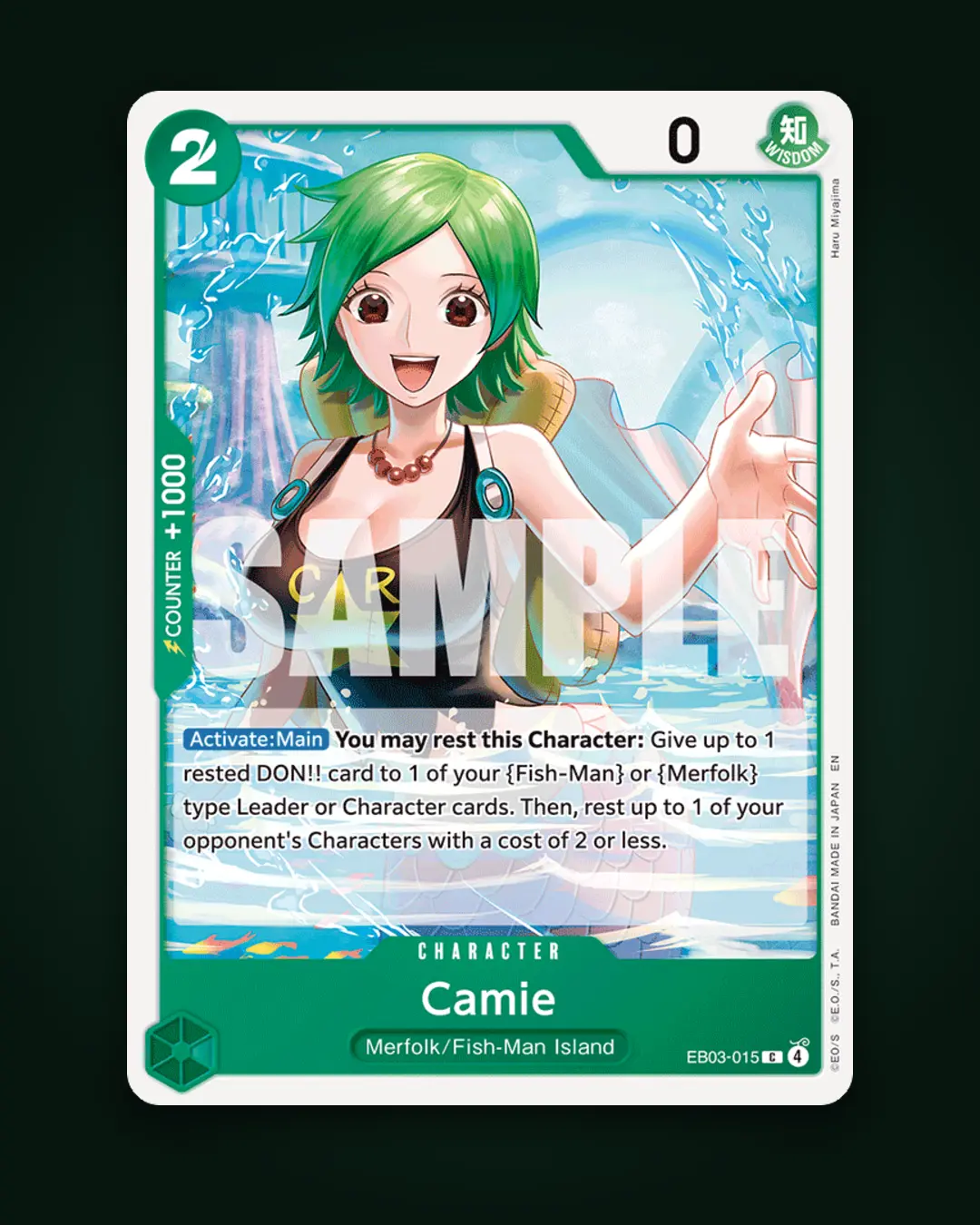
The recent announcement by Shueisha, detailing an unprecedented 500,000 extra print run for Weekly Shonen Jump due to a special ONE PIECE Card Included with Jump as Shueisha Prints 500,000 Extra, has sent ripples through the TCG collecting community. This isn't just about a free card; it fundamentally alters the landscape for collectors and graders of this specific promotional item. For those invested in the One Piece Card Game and the broader TCG market, understanding the direct implications of this massive supply increase is crucial for making informed decisions. This news is hot right now because it represents a rare intersection of a highly popular IP, a significant market intervention by a publisher, and the immediate challenges it poses for evaluating card rarity and condition.
At MasterGrade, we're dedicated to helping collectors navigate these dynamic market shifts with data-driven insights. The inclusion of a highly anticipated ONE PIECE Card with such an expanded print run means that collectors will have easier access to the raw card, but also that the path to securing high-grade copies – and their associated value – becomes more competitive and nuanced. Before you even consider sending your cards for professional grading, remember to utilize MasterGrade's free AI card grader to get an immediate, objective assessment of your card's condition. This initial pre-screen can save you significant time and money by identifying potential issues that would prevent a gem-mint grade.
The Announcement: What Exactly Changed?
According to reports, Shueisha, the publisher of the iconic Weekly Shonen Jump manga magazine, made the strategic decision to print an additional 500,000 copies of a specific issue. The catalyst for this monumental print run increase? The inclusion of a special, exclusive ONE PIECE Card within each copy. This move is highly unusual for a weekly publication, which typically operates on more predictable circulation numbers. The sheer scale of this increase—half a million additional copies—underscores the immense popularity of the One Piece franchise and the perceived desirability of this particular promotional card.
Historically, promotional cards included with magazines or other media have often been limited in supply, leading to high secondary market values, especially for pristine copies. Collectors have learned to anticipate scarcity with such releases. Shueisha's decision directly counters this expectation for this specific card, transforming what might have been an ultra-rare collectible into one with a significantly broader initial distribution. This shift immediately impacts the perceived rarity and, consequently, the potential market value for raw copies of the card.
Who Is Affected and How?
The implications of Shueisha's announcement reach across several segments of the TCG community:
Collectors
- Initial Acquisition: For many One Piece Card Game enthusiasts, obtaining a raw copy of this promotional card will be significantly easier and likely cheaper than typical Jump promos. The increased supply reduces the immediate scramble and speculative buying that often accompanies limited releases.
- Long-Term Value for Raw Cards: The abundance of raw copies means that the individual market value for ungraded versions of this card is likely to be lower than if it had a standard, smaller print run. Basic economics dictate that increased supply, all else being equal, tends to depress prices. Collectors focused on holding raw cards for future appreciation may find this specific card a less potent investment compared to truly limited releases.
- Shift in Focus to Condition: With raw cards being more common, the value proposition shifts dramatically towards condition. A pristine, professionally graded copy (e.g., PSA 10, BGS 9.5/10) will still command a premium, but the gap between a high-grade card and a lower-grade one will likely be much wider than for a truly scarce card. This puts immense pressure on careful handling and accurate pre-grading.
Grading Companies
- Anticipated High Submission Volume: Professional grading services like PSA, BGS, and CGC should anticipate a substantial influx of submissions for this particular ONE PIECE card. Many collectors, recognizing the importance of condition, will likely submit their best copies in hopes of securing top grades.
- Potential Impact on Turnaround Times: A surge in submissions for a single, widely distributed card can strain grading company resources, potentially leading to increased turnaround times specifically for this card, or even for general submissions during peak periods.
- Population Report Dynamics: The population reports for this card will likely be among the highest for any promotional card, indicating a large number of graded copies across all grades. This further underscores the importance of a perfect grade for any significant secondary market value.
Secondary Market
- Initial Market Flood: Upon release, expect a flood of raw copies entering the secondary market. Prices for ungraded cards will likely start relatively low and stabilize quickly, reflecting the high supply.
- Premium on High Grades: While raw cards may be abundant, highly graded copies will remain the key drivers of significant value. The market will quickly differentiate between readily available raw cards and the much rarer "gem-mint" examples. This creates a highly competitive environment for achieving top grades.
Direct Grading and Collector Implications
The decision to print 500,000 extra copies of Weekly Shonen Jump with the included ONE PIECE Card creates a unique set of challenges and opportunities for collectors aiming for professional grading.
The "Population Bomb" Concern
A common phenomenon in the TCG market is the "population bomb," where a widely available card, often a promotional item or a highly sought-after common, receives a massive number of submissions. This inflates the population reports for even high grades (e.g., PSA 10s). While a PSA 10 is always desirable, a card with a population of 5,000 PSA 10s will generally command less value than a card with a population of 50 PSA 10s, assuming similar demand. For this ONE PIECE card, collectors should anticipate a potentially very high population count for all grades, making truly elite examples stand out even more.
Grading Criteria Focus
Given the high volume and the nature of magazine inserts, meticulous attention to grading criteria becomes paramount. According to PSA's official grading standards, BGS's subgrades, and CGC's comprehensive system, several factors will be critical for this card:
- Centering: Cards inserted into magazines, especially those cut from larger sheets, often exhibit inconsistent centering. Even a slight off-center can drop a card from a potential PSA 10 to a PSA 9 or lower. Utilizing a centering tool for precise measurement is highly recommended before submission.
- Surface: Magazine pages can be abrasive. The card's surface might show subtle scratching, print lines, or minor indentations from the surrounding magazine material. Handling during removal is also a risk. Even microscopic surface flaws can impact the grade significantly.
- Edges & Corners: The process of inserting the card into the magazine, magazine shipping, and ultimately, the collector's removal of the card, all pose risks for edge wear and corner dings. Sharp, crisp edges and corners are vital for top grades.
A Concrete Example: The "Monkey D. Luffy - Shonen Jump Promo 2024"
Let's consider a hypothetical card, "Monkey D. Luffy - Shonen Jump Promo 2024," which is the card included in this specific Jump issue.
- Initial Acquisition: Raw copies might be readily available on the secondary market for $10-$20 in the immediate aftermath of the release, given the 500,000 extra prints.
- Graded Value (Projected 2026):
- A perfectly centered, flawless PSA 10 example of this card could still fetch a premium, perhaps in the range of $150-$400, due to the enduring popularity of One Piece and the challenge
Get card-grading tips & market news
Join collectors getting our best grading guides, value alerts, and set breakdowns. A few emails a month — no spam.
Stay in the loop
Get notified about new features, grading tips, and market updates.
Related guides
One Piece Card Game Announces 4th Anniversary Set as 9 New Promo: what it means for collectors
One Piece Card Game Announces 4th Anniversary Set as 9 New Promo: what it means for collectors — expert guide for card collectors on MasterGrade.
GuideONE PIECE Card Game Reveals 28 New Cards for 4th Anniversary Booster: what it means for collectors
ONE PIECE Card Game Reveals 28 New Cards for 4th Anniversary Booster: what it means for collectors — expert guide for card collectors on MasterGrade.
GuideOne Piece TCG Scalpers Cause Weekly Shonen Jump Shortage - Kotaku: what it means for collectors
One Piece TCG Scalpers Cause Weekly Shonen Jump Shortage - Kotaku: what it means for collectors — expert guide for card collectors on MasterGrade.
Grade your cards with AI
Upload a photo and get an instant condition grade with sub-scores and estimated values.
Grade a card free