
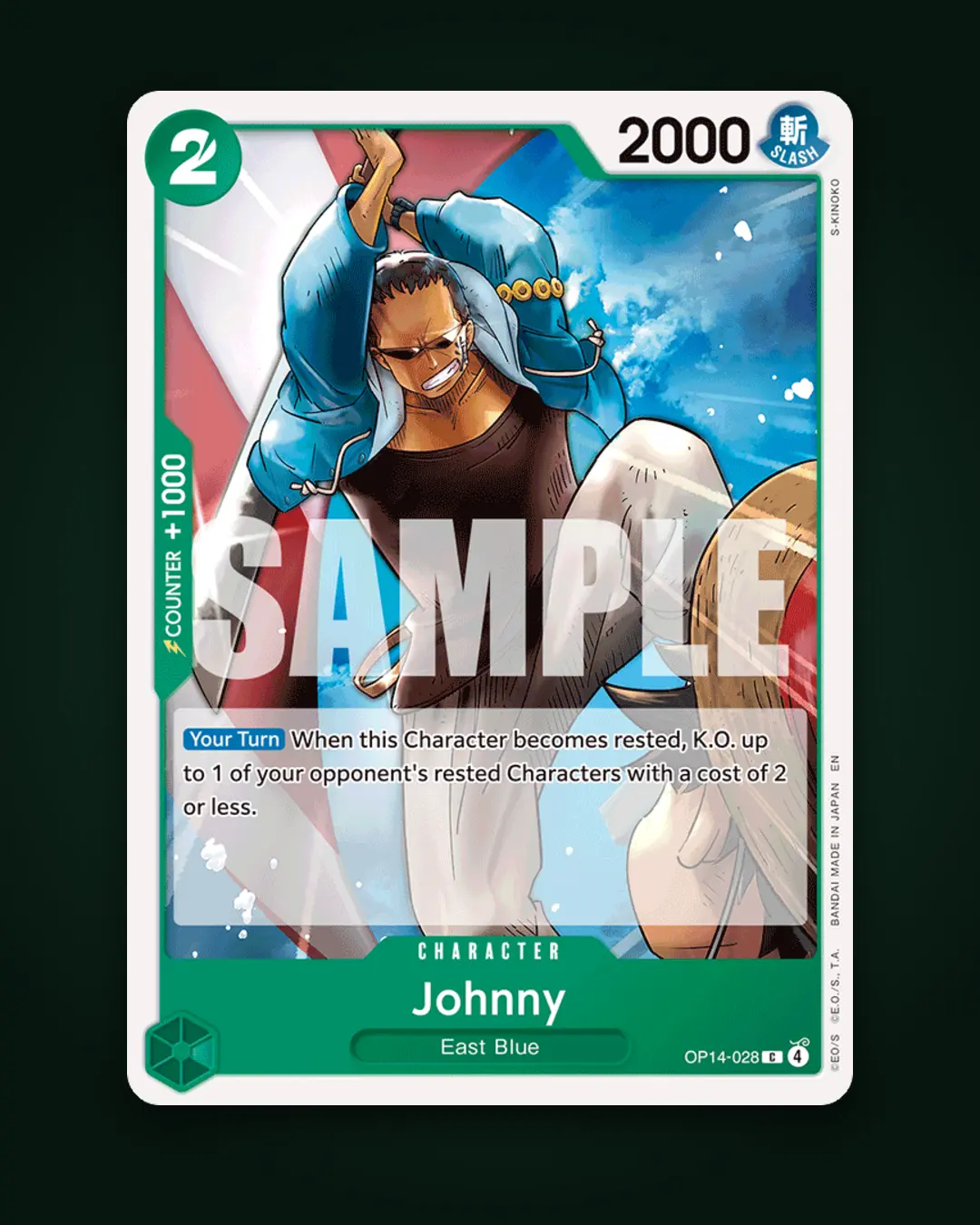
One Piece Card Game 1,000 Card Bulk Lot - Common & Uncommon Only -: what it means for collectors
The recent proliferation of "One Piece Card Game 1,000 Card Bulk Lot - Common & Uncommon Only -" offerings has sent ripples through the collecting community, signaling a notable shift in how players and enthusiasts acquire and value non-foil, lower-rarity cards. This trend, hot right now, isn't just about obtaining a large volume of cards; it fundamentally redefines accessibility for set builders, introduces new considerations for grading, and presents unique opportunities for market-savvy collectors. MasterGrade is here to break down what this development means for you, directly impacting your collection strategy and grading decisions.
The Rise of the 1,000-Card Bulk Lot: A Market Shift
Historically, acquiring common and uncommon cards in bulk involved sifting through unsorted lots or purchasing smaller, curated sets. The emergence of specific "One Piece Card Game 1,000 Card Bulk Lot - Common & Uncommon Only -" listings as a prominent product signals a maturity in the OPCG secondary market. This isn't an official policy change from Bandai or a grading company; rather, it reflects a growing supply of these lower-rarity cards, making it exceptionally easy and cost-effective for collectors to fill gaps in their collections or pursue ambitious grading projects.
This phenomenon is particularly relevant now as the One Piece Card Game continues its rapid expansion, introducing new sets and characters at a steady pace. As booster packs are opened en masse for chase rares and parallels, the volume of commons and uncommons entering the market inevitably increases. Sellers, looking to monetize these abundant cards, are packaging them into these large, accessible lots. This development is not just a convenience; it's a strategic shift that impacts various segments of the collector base.
Who is Affected by This Trend?
The immediate availability of "One Piece Card Game 1,000 Card Bulk Lot - Common & Uncommon Only -" impacts several types of collectors and market participants:
New Collectors and Set Builders
For those just starting their One Piece Card Game journey or aiming to complete full sets without breaking the bank, these bulk lots are a game-changer.
Experienced Collectors and Graders
While seasoned collectors might initially dismiss common and uncommon cards, the accessibility of bulk lots opens new avenues for strategic grading and long-term value.
Before considering any bulk submission, it is crucial to accurately assess the condition of each card. MasterGrade offers a free AI card grader that provides an instant, objective pre-screen, helping you identify potential Gem Mint candidates before incurring costly submission fees. This crucial first step can save collectors significant time and money by filtering out cards unlikely to achieve top grades.
Sellers and Dealers
The increased availability of these bulk lots also impacts the secondary market for sellers.
Direct Grading and Collector Implications
The core question for many MasterGrade users is: when does it make sense to grade a common or uncommon card from the One Piece Card Game? The answer hinges on several factors, directly influenced by the availability of these bulk lots.
When to Consider Grading Commons and Uncommons
Grading commons and uncommons is generally considered a niche strategy, but with bulk lots, it becomes more viable under specific conditions:
Professional grading standards from companies like PSA, BGS, and CGC are rigorous. A card must exhibit near-perfect centering, sharp corners, clean edges, and a flawless surface to achieve top grades. According to PSA's official grading standards, a Gem Mint 10 card must be "a virtually perfect card." This means even from a 1,000-card lot, finding a handful of candidates truly worthy of submission is a challenge.
The Value Proposition: Grading Cost vs. Card Value
Consider the example of Portgas D. Ace (OP02-013), an uncommon card from the Paramount War set. Raw, this card might trade for $0.10-$0.25 in 2026. However, if you were to acquire a bulk lot and find a truly pristine example, submitting it to a grading service like PSA could cost $30-$50 per card, depending on submission level and turnaround time.
What's the potential return? Based on current market trends for iconic characters in other TCGs, a PSA 10 or BGS 9.5 "Portgas D. Ace (OP02-013)" from 2026 could realistically fetch $40-$80, or even more if Ace's character arc continues to grow in popularity within the anime/manga and the game. This represents a significant multiplier on its raw value, making the grading cost justifiable for select, truly perfect cards. However, the margin for error is slim; a PSA 9 might only be worth $10-$20, meaning a net loss. This underscores the importance of stringent pre-screening.
What to Do Next: A Collector's Guide
Navigating the landscape of "One Piece Card Game 1,000 Card Bulk Lot - Common & Uncommon Only -" requires a strategic approach. Here are concrete steps to maximize your efforts:
1. Define Your Collecting Goals
2. Leverage MasterGrade's AI Pre-Screen
Before even considering a paid submission, utilize MasterGrade's free AI grader.
3. Research Market Prices and Population Reports
4. Understand Grading Costs and Processes
5. Prioritize and Act Swiftly
The market is dynamic. While these bulk lots are prevalent now, specific desirable common/uncommon cards from early sets may become harder to find in pristine condition as time progresses. If you identify a strong candidate for grading, act while supply is high.
In conclusion, the "One Piece Card Game 1,
Get card-grading tips & market news
Join collectors getting our best grading guides, value alerts, and set breakdowns. A few emails a month — no spam.
Stay in the loop
Get notified about new features, grading tips, and market updates.
Related guides
One Piece Card Game Announces 4th Anniversary Set as 9 New Promo: what it means for collectors
One Piece Card Game Announces 4th Anniversary Set as 9 New Promo: what it means for collectors — expert guide for card collectors on MasterGrade.
GuideONE PIECE Card Game Reveals 28 New Cards for 4th Anniversary Booster: what it means for collectors
ONE PIECE Card Game Reveals 28 New Cards for 4th Anniversary Booster: what it means for collectors — expert guide for card collectors on MasterGrade.
GuideOne Piece TCG Scalpers Cause Weekly Shonen Jump Shortage - Kotaku: what it means for collectors
One Piece TCG Scalpers Cause Weekly Shonen Jump Shortage - Kotaku: what it means for collectors — expert guide for card collectors on MasterGrade.
Grade your cards with AI
Upload a photo and get an instant condition grade with sub-scores and estimated values.
Grade a card free