
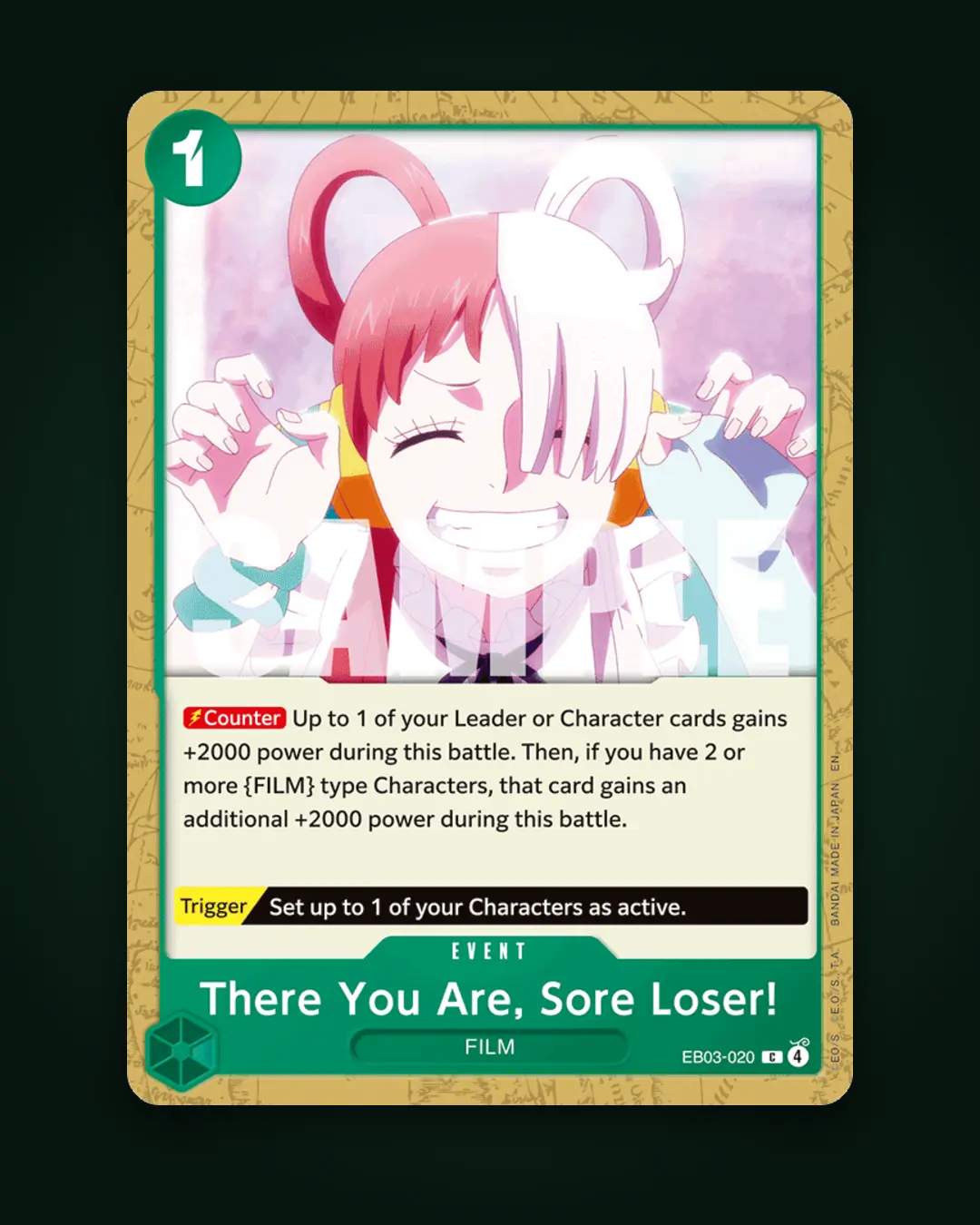
Grévin Museum: distribution of the One Piece collector’s card: what it means for collectors
Grévin Museum: Distribution of the One Piece Collector’s Card — What It Means for Collectors
The world of collectible card games is constantly evolving, with new releases, market shifts, and unexpected distribution events shaping collector strategies. Right now, a significant development is capturing the attention of One Piece TCG enthusiasts: the Grévin Museum: distribution of the One Piece collector’s card in Paris. This isn't just a local event; it's a prime example of how limited, unconventional card releases can dramatically impact market values, grading priorities, and the overall collector landscape. For those deeply invested in One Piece cards, understanding the direct consequences of this museum-based distribution is crucial for making informed decisions.
This news is hot right now because it represents a rare intersection of pop culture, tourism, and high-value collecting. Such events introduce unique, often scarce, cards into the market through non-standard channels, presenting both opportunities and challenges for collectors worldwide. This guide will break down what this event means for you, its implications for card grading, and concrete steps you can take to protect and potentially profit from these unique collectibles.
What Happened at the Grévin Museum?
The Grévin Museum, Paris’s renowned wax museum, has undertaken a special promotional event involving the distribution of an exclusive One Piece collector’s card. While specific details about the card's exact design or print run are often highly sought after by collectors, the core fact is clear: a unique One Piece card is being made available through a physical, location-specific channel, likely for a limited time. This type of distribution strategy significantly differs from standard booster pack releases or even traditional promotional events at card shops.
Historically, cards distributed through non-TCG specific venues — like museum promotions, movie tie-ins, or convention exclusives — tend to command higher secondary market values due to their inherent scarcity and unique acquisition requirements. Collectors must physically visit the location, often during a specific window, making the card significantly harder to obtain for the global collecting community. This immediately establishes a premium on the card's rarity and the effort involved in acquiring it, laying the groundwork for substantial market interest.
Direct Impact on One Piece Card Values and Grading
The Grévin Museum’s One Piece card distribution creates several immediate and long-term implications for card values and the grading process:
Scarcity and Exclusivity Drive Value
The primary driver of increased value for this card is its limited availability. Unlike mass-produced sets, a museum-distributed card typically has a much smaller print run. Furthermore, the geographical restriction (requiring a visit to the Grévin Museum in Paris) inherently limits the number of copies that can enter the market. This creates a strong demand-supply imbalance, pushing prices upward for both raw and graded copies.
Consider similar promotional cards, such as the Pikachu Van Gogh Museum Promo. Initially distributed at the museum, its market value surged dramatically due to exclusivity and the "event" nature of its release. The Grévin One Piece card is poised for a similar trajectory, especially if it features a popular character like Monkey D. Luffy or Roronoa Zoro in unique artwork.
Condition Sensitivity Amplified
Cards distributed in public, non-specialized environments like a museum are often handled more, potentially leading to condition issues. Unlike cards pulled directly from sealed packs in controlled environments, these cards might be:
This makes pristine, gem-mint copies exceptionally rare and valuable. Even minor imperfections like edge wear, surface scratches, or print lines become critical determinants of value. This is where precise condition assessment becomes paramount.
Market Dynamics: High Volatility and Premium for Top Grades
Expect initial market excitement, followed by rapid price discovery. Raw copies will likely see immediate price spikes. However, the long-term value will heavily gravitate towards professionally graded cards, particularly those achieving PSA 10, BGS 9.5 or 10, or CGC 9.5 or higher.
For example, a hypothetical "Grévin Museum Promo Monkey D. Luffy" card, if released, could see raw copies trade for $200-$400 initially. However, based on current market trajectories and historical data for similar promotional releases, a PSA 10 copy could realistically project to command $1,500-$2,500 or more by 2026, while a PSA 9 might settle in the $500-$800 range. The difference between a Gem Mint and a Near Mint-Mint grade can represent thousands of dollars in value for such a sought-after collectible.
Authentication Concerns
As the value of a card rises, so does the risk of counterfeits. Limited-release, high-value promotional cards are prime targets for fraudsters. Professional grading by reputable companies like PSA, BGS, or CGC not only assesses condition but also authenticates the card, providing a crucial layer of security for buyers and sellers. Collectors should always prioritize professionally authenticated copies when dealing with high-value promotions like the Grévin Museum card.
What Collectors Need to Do Next: A MasterGrade Guide
If you've acquired the Grévin Museum One Piece card, or plan to, here are the concrete steps you should take to maximize its potential value and ensure its longevity.
Step 1: Secure Your Card Immediately
If you are fortunate enough to obtain one of these cards, your first priority is immediate protection.
Step 2: Immediate Handling and Protection
Always handle the card by its edges. Avoid touching the front or back surfaces. Even minor oils from your fingers can leave residues that degrade the card's surface over time, impacting its potential grade. This attention to detail is critical for preserving the card's pristine condition, which is paramount for high-value collectibles.
Step 3: Assess Condition with Precision
Before even thinking about sending your card for professional grading, you need a realistic understanding of its condition. This is where MasterGrade's AI technology provides an invaluable advantage.
Step 4: Grading Considerations (PSA, BGS, CGC)
Once you have a clear understanding of your card's condition, you can decide on the best grading company.
For a card like the Grévin Museum One Piece promo, achieving a high grade (PSA 10, BGS 9.5+, CGC 9.5+) is critical. According to official PSA grading standards, a Gem Mint 10 card must be virtually perfect, with only very minor flaws that are not visible to the naked eye. Similarly, BGS's subgrades provide detailed insights, where even a single subgrade of 9 can prevent a card from reaching the highly sought-after BGS 10 Pristine status. Given the card's likely scarcity and high demand, the difference between a PSA 9 and a PSA 10 could be hundreds or even thousands of dollars.
Step 5: Market Awareness
Keep an eye on secondary market sales for similar cards once they start appearing. Utilize resources like MasterGrade's collection tracker to monitor your card's value and stay informed. Understanding current trends and completed sales will help you make informed decisions about holding or selling. Our pricing page can also provide general insights into grading costs and expected turnaround times.
Conclusion
The Grévin Museum's distribution of a One Piece collector's card is more than just a novelty; it's a significant event for the TCG market. For collectors, it underscores the importance of quick action, meticulous handling, and accurate condition assessment. By leveraging tools like MasterGrade's free AI grader for an initial assessment, you can confidently navigate the grading process and ensure your valuable collectible reaches its full market potential. Don't let this unique opportunity slip through your fingers due to uncertainty about condition or grading.
Start your grading journey today with MasterGrade. Visit our pricing page to learn more about our services and how we can help you maximize the value of your collection.
Get card-grading tips & market news
Join collectors getting our best grading guides, value alerts, and set breakdowns. A few emails a month — no spam.
Stay in the loop
Get notified about new features, grading tips, and market updates.
Frequently asked questions
What makes the Grévin Museum One Piece card special?
Its limited, location-specific distribution at the Grévin Museum in Paris creates inherent scarcity, making it much rarer than standard booster pack cards and increasing its potential market value.
Why is condition so important for this specific card?
Cards distributed in public settings like museums are often handled more, increasing the likelihood of minor imperfections. Pristine, high-grade copies (PSA 10, BGS 9.5+) will be exceptionally rare and command a significant premium.
How can MasterGrade help me with this card?
MasterGrade's free AI card grader can provide an immediate, objective pre-assessment of your card's condition, helping you identify flaws and determine if a paid professional grading submission is likely to achieve a high grade, saving you time and money.
Should I grade this card immediately?
If the card is in excellent condition, grading it quickly can capitalize on initial market hype. However, always conduct a thorough pre-assessment to ensure a high grade is achievable, as a lower grade might not justify the grading cost.
Related guides
How to Protect Your One Piece TCG Cards Before Grading
How to Protect Your One Piece TCG Cards Before Grading — expert guide for card collectors on MasterGrade.
Guide"ONE PIECE Card Game" Official Store Implements Rare Facial: what it means for collectors
"ONE PIECE Card Game" Official Store Implements Rare Facial: what it means for collectors — expert guide for card collectors on MasterGrade.
GuideOne Piece Card Game Shops To Use Facial Recognition System Amid: what it means for collectors
One Piece Card Game Shops To Use Facial Recognition System Amid: what it means for collectors — expert guide for card collectors on MasterGrade.
Grade your cards with AI
Upload a photo and get an instant condition grade with sub-scores and estimated values.
Grade a card free