
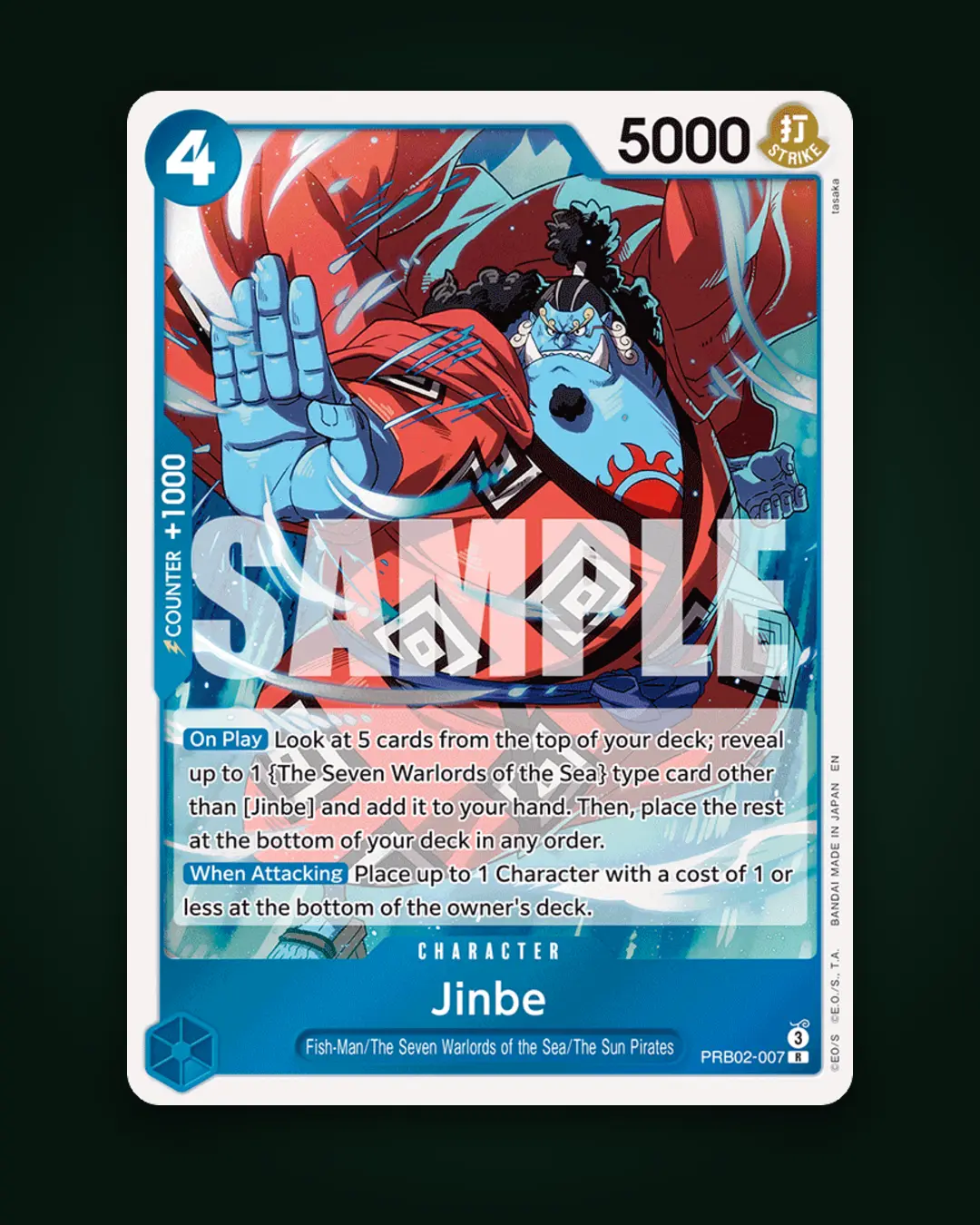
How to Protect Your One Piece TCG Cards Before Grading
To maximize the value of your prized collection, understanding how to protect your One Piece TCG cards before grading is paramount. The journey from booster pack to a gem-mint slab is fraught with potential hazards, each capable of diminishing your card's final grade and, consequently, its market value. Even minor imperfections—a faint scratch on the surface, a blunted corner, or a slightly dinged edge—can drop a card from a coveted PSA 10 to a PSA 9 or even lower, impacting its worth by hundreds or thousands of dollars, especially for high-value cards like the Shanks (Alternate Art, OP01-120) from the Romance Dawn set. This comprehensive guide details the essential storage, handling, and shipping practices to safeguard your investment and ensure your One Piece TCG cards present their best possible condition for grading.
The Criticality of Pre-Grading Protection
A card's grade is determined by four primary criteria: surface, corners, edges, and centering. Any degradation in these areas, no matter how minor, directly affects the numerical grade assigned by professional grading companies like PSA, BGS, or CGC. For instance, a pristine "Shanks (Alternate Art, OP01-120)" might fetch an estimated $5,000-$7,000 as a PSA 10 in Q1 2026, while the exact same card, if graded a PSA 9 due to a subtle surface scratch or a soft corner, could see its value plummet to $1,500-$2,500. This drastic difference underscores the financial imperative of meticulous card protection.
Before you even consider professional submission, a crucial first step is to get an objective assessment of your card's current condition. Use MasterGrade's free AI grader to pre-screen your One Piece TCG cards. This tool provides an immediate, unbiased evaluation, helping you identify potential flaws and understand the card's likely grade before you commit to the time and expense of a physical submission.
Optimal Storage Solutions for One Piece TCG Cards
Effective storage is the first line of defense against environmental damage and accidental mishaps. The goal is to create a stable, protective environment that minimizes exposure to harmful elements.
Environmental Control
Maintaining a stable environment is crucial for preventing long-term damage.
- Temperature and Humidity: Cards are susceptible to warping, bowing, and moisture damage. According to archival standards, a consistent temperature between 65-75°F (18-24°C) and relative humidity between 35-50% is ideal. Avoid storing cards in basements, attics, or garages where temperature and humidity fluctuate wildly. High humidity can cause cards to stick together or warp, while extreme dryness can make them brittle.
- Light Exposure: Direct sunlight and strong artificial light contain UV rays that can cause colors to fade over time. Store cards in dark environments, such as opaque storage boxes or cabinets, away from windows. If displaying cards, use UV-protective cases or display solutions.
Essential Storage Materials
Selecting the right materials is fundamental to protecting your cards from physical damage.
- Inner Sleeves (Perfect Fit Sleeves): These thin, transparent sleeves fit snugly around the card, offering a vital barrier against dust, minor scratches, and fingerprints. They should be applied carefully, handling the card only by its edges.
- Recommendation: KMC Perfect Fit or Dragon Shield Perfect Fit sleeves.
- Standard Sleeves (Penny Sleeves): While "penny sleeves" are common, for valuable cards, a slightly thicker, acid-free polypropylene standard sleeve provides better protection. These are typically used as a second layer over a perfect fit sleeve, or as the first layer for less valuable cards.
- Recommendation: Ultra PRO Soft Sleeves or Dragon Shield Clear Sleeves.
- Top Loaders: These are rigid plastic holders that provide substantial protection against bending, creasing, and impacts. A card, ideally in an inner sleeve and then a standard sleeve, slides into a top loader.
- Application: Always ensure the card slides in easily without forcing it, which can cause edge wear. Use a fresh top loader for each card, as old ones can accumulate dust or scratches internally.
- Semi-Rigid Card Holders: Often preferred by professional grading companies for submission, semi-rigids offer a balance between flexibility and rigidity. They are less bulky than top loaders but provide more support than just sleeves.
- Application: Place the card (in an inner sleeve) into the semi-rigid, ensuring it sits flush without excessive movement.
- Magnetic One-Touch Holders: These premium, two-piece acrylic cases held together by magnets offer excellent protection for high-value cards, often with UV resistance. They are typically used for display or long-term storage of graded-level cards.
- Caution: Ensure the card fits perfectly without movement. Some collectors prefer not to use these for submission as grading companies require removal, which introduces handling risk.
- Storage Boxes: Once sleeved and top-loaded/semi-rigid, cards should be stored vertically in sturdy, acid-free cardboard storage boxes or plastic cases.
- Best Practice: Use boxes specifically designed for trading cards. Fill the box to prevent cards from shifting and potentially damaging their edges or corners. For added stability, use foam inserts or crumpled paper to eliminate empty space. Label boxes clearly for easy identification without excessive handling.
Safe Handling Practices
The moment a card is touched, it's at risk. Proper handling minimizes accidental damage.
Pre-Handling Preparation
Before touching any card, take these precautions:
- Clean Hands: Always wash your hands thoroughly with soap and water, then dry them completely. Natural oils, dirt, and residue from your hands can transfer to the card's surface, leaving smudges or permanent marks that impact grading.
- Gloves: Consider wearing cotton or nitrile gloves, especially when handling high-value cards. These create an additional barrier against oils and fingerprints. Ensure gloves are clean and lint-free.
- Clean Workspace: Work on a clean, flat, and soft surface. A microfiber mat or a clean cloth prevents scratches if a card is accidentally dropped or dragged. Remove any food, drinks, or potential contaminants from the area.
Handling Technique
The way you hold and move a card can mean the difference between a gem mint and a near mint.
- Hold by the Edges: Never touch the front or back surface of the card directly. Always grasp the card gently by its edges or corners. This prevents fingerprints, smudges, and surface abrasions.
- Minimize Movement: The less a card is moved or manipulated, the lower the risk of damage. Perform all necessary actions (sleeving, placing in a top loader) efficiently and with minimal fuss.
- Avoid Bending or Flexing: Even slight bending can cause creasing, dimples, or hairline indentations that are extremely detrimental to a card's grade. Treat every card as if it's already graded a 10.
Pre-Submission Cleaning (with extreme caution)
While professional graders assess the card's condition as it is submitted, minor dust or debris can sometimes be carefully removed to improve presentation. This step is high-risk and should only be attempted with extreme caution on visible dust.
- Air Blower: A manual air blower (like those used for camera lenses) can gently dislodge dust particles from the card surface. Never use compressed air cans, as they can release propellants that leave residue or are too powerful, potentially causing damage.
- Microfiber Cloth (Extremely Light Touch): For very stubborn, visible dust, a brand-new, clean, and dry microfiber cloth can be used to very lightly wipe the surface. This is a last resort and carries significant risk of causing hairline scratches. Most experts advise against it unless you are highly experienced. Never use any liquids or chemicals.
- What to Avoid: Do not attempt to "clean" imperfections like scratches, print lines, or whitening. These are card defects and cannot be safely removed. Any aggressive cleaning attempts will likely result in further damage and a lower grade.
Secure Shipping for Grading Submissions
The journey to the grading company is often the most perilous part of a card's life. Proper packaging and shipping protocols are non-negotiable.
Card Preparation for Shipping
Each card must be individually secured to withstand the rigors of transit.
- Inner Sleeve + Semi-Rigid Holder: This is the industry standard for submission. Place each card (in an inner sleeve) into a semi-rigid holder. Ensure the card sits at the bottom of the semi-rigid, not floating loosely.
- Team Bags: Once in a semi-rigid, multiple cards (typically 3-5) can be placed together in a "team bag." This keeps them organized and prevents them from sliding out of their individual holders. Ensure the team bag is sealed securely but not overly tight.
- Cardboard Support: Create a "cardboard sandwich" for added rigidity. Cut two pieces of rigid cardboard slightly larger than your semi-rigids. Place the team-bagged cards between these cardboard pieces and tape the edges securely. Do not tape directly over the semi-rigids or team bags, as removing the tape can damage the holders or even the cards. Use painter's tape or masking tape on the cardboard edges only.
Packaging the Submission
The outer packaging must protect against impacts, moisture, and theft.
- Sturdy Box: Use a new, sturdy cardboard box that is appropriately sized for your submission. Avoid using soft bubble mailers for high-value submissions, as they offer inadequate crush protection.
- Void Fill: Fill any empty space within the box with packing peanuts, crumpled paper, or bubble wrap. The goal is to prevent the inner "cardboard sandwich" from shifting during transit. The package should feel solid when shaken gently.
- Water Protection: Place the entire contents—the cardboard sandwich—inside a sealed plastic bag (e.g., a Ziploc bag) before placing it into the shipping box. This provides a crucial layer of protection against moisture damage if the outer box is exposed to rain or spills.
- Labeling: Clearly label the box with your return address and the grading company's address. Include any required submission forms or packing slips inside the box, placed in a separate sealed bag.
Shipping Logistics
Choosing the right carrier and services is as important as the packaging itself.
- Reputable Carrier: Use trusted carriers like FedEx, UPS, or USPS Priority Mail/Express. Avoid economy services for valuable submissions.
- Insurance: Always insure your package for its estimated replacement value. This is non-negotiable for valuable cards. Understand the carrier's insurance limits and claim process. For a rare card like a high-grade Shanks (Alternate Art, OP01-120), ensuring it for its potential PSA 10 value is critical.
- Tracking: Use a shipping service that provides robust tracking information. Monitor its progress diligently.
- Signature Confirmation: For high-value submissions, require a signature upon delivery to ensure the package reaches its intended recipient securely.
By meticulously following these storage, handling, and shipping guidelines, you significantly increase the chances of your One Piece TCG cards achieving their highest possible grade. Every step, from the moment you acquire a card to its arrival at the grading facility, is an opportunity to preserve its condition and protect its future value. Don't leave your investment to chance.
Ready to see how your One Piece TCG cards stack up? Start with MasterGrade's free AI card grader to get an instant, accurate pre-submission analysis, then explore our pricing options for detailed grading insights.
---
Get card-grading tips & market news
Join collectors getting our best grading guides, value alerts, and set breakdowns. A few emails a month — no spam.
Stay in the loop
Get notified about new features, grading tips, and market updates.
Frequently asked questions
What's the biggest mistake collectors make before grading?
The most common mistake is improper handling, leading to surface scratches or edge wear. Many collectors also fail to use appropriate storage materials or neglect environmental controls, causing warping or fading over time.
Can I clean my cards before sending them for grading?
Generally, no. While a gentle air blower can remove loose dust, attempting to "clean" cards with cloths, liquids, or chemicals often causes more damage (e.g., hairline scratches, residue) and can result in a lower grade.
What are semi-rigid holders and why are they recommended for submission?
Semi-rigid holders are thin, clear plastic sleeves that offer more rigidity than a penny sleeve but are less bulky than a top loader. Grading companies like PSA recommend them because they protect cards well while being easy to remove without excessive handling, reducing the risk of damage during the grading process.
How much insurance should I get for my graded card submission?
You should insure your submission for its estimated market value if graded at the condition you expect. For valuable cards, research recent sales of similar cards in high grades to determine an appropriate insurance value.
Related guides
Why you should be paying attention to the One Piece Card Game
Why you should be paying attention to the One Piece Card Game — expert guide for card collectors on MasterGrade.
Guide"ONE PIECE Card Game" Official Store Implements Rare Facial: what it means for collectors
"ONE PIECE Card Game" Official Store Implements Rare Facial: what it means for collectors — expert guide for card collectors on MasterGrade.
GuideOne Piece Card Game Shops To Use Facial Recognition System Amid: what it means for collectors
One Piece Card Game Shops To Use Facial Recognition System Amid: what it means for collectors — expert guide for card collectors on MasterGrade.
Grade your cards with AI
Upload a photo and get an instant condition grade with sub-scores and estimated values.
Grade a card free