
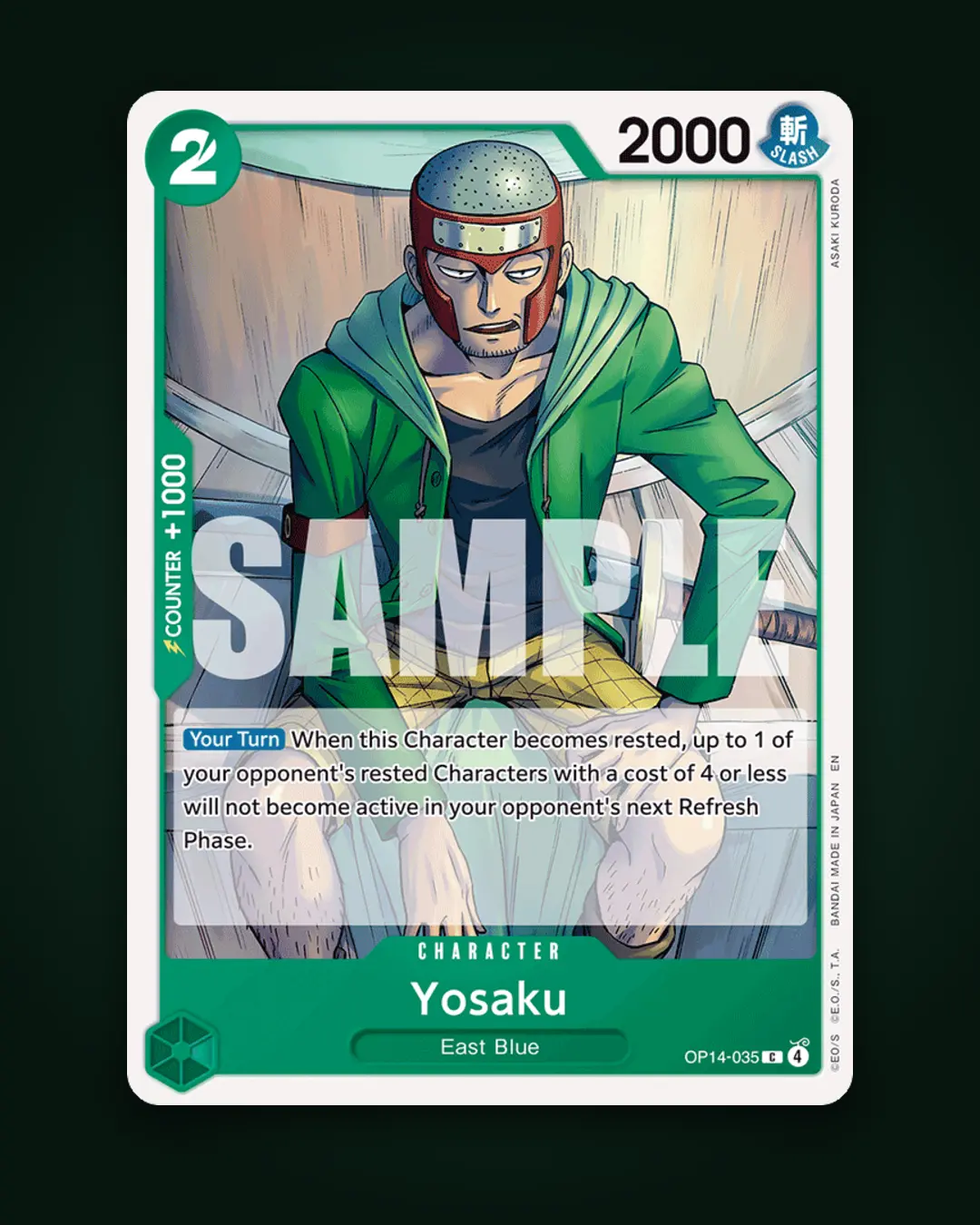
Dodgers ‘One Piece’ trading card giveaway causes chaos as fans flood: what it means for collectors
Dodgers ‘One Piece’ Trading Card Giveaway Causes Chaos As Fans Flood: What It Means For Collectors
The recent Dodgers ‘One Piece’ trading card giveaway causes chaos as fans flood Dodger Stadium, creating unprecedented scenes of long lines and overwhelming demand. This event, where attendees received exclusive promotional One Piece cards, wasn't just a simple baseball promotion; it was a potent demonstration of the surging crossover appeal between sports fandom and the collectible trading card game (TCG) market. For collectors, both seasoned and new, this incident carries significant implications, ranging from the immediate market impact on these specific cards to broader trends in card value, condition, and the crucial role of accurate grading.
This phenomenon, hot right now, underscores the explosive growth of the One Piece Card Game, which has rapidly become one of the most popular TCGs globally. When combined with the massive fanbase of a major league baseball team like the Dodgers, the result is a perfect storm of demand that can reshape perceptions of value and rarity overnight. Understanding what truly changed, who is affected, and the direct grading-and-collector implications is paramount for anyone navigating this dynamic landscape.
The Event Unpacked: A Perfect Storm of Fandom
On a recent game day, the Los Angeles Dodgers offered an exclusive One Piece trading card to fans attending their game. The specific card(s) distributed were promotional items, often featuring unique artwork or a special stamp indicating their origin. The news of this giveaway spread like wildfire, drawing not only traditional baseball fans but also a significant contingent of One Piece TCG enthusiasts and even speculators looking to capitalize on perceived rarity.
The sheer volume of attendees, far exceeding typical game day expectations, led to extensive queues, logistical challenges, and eventually, the highly publicized "chaos." This was not merely a local phenomenon; images and videos of the crowds quickly went viral across social media platforms, amplifying the event's reach and solidifying its place in recent TCG history. The core takeaway from the event itself is the undeniable power of limited-edition, crossover promotional material to ignite intense collector interest.
Immediate Market Reaction and Grading Implications
Following such high-profile giveaways, the immediate secondary market sees a flurry of activity. Raw (ungraded) copies of the Dodgers One Piece promo cards, assuming they are unique and not simply reprints, will likely see initial price spikes driven by scarcity and hype. However, the long-term value trajectory will heavily depend on factors like actual production numbers, the card's perceived playability (if any), and its aesthetic appeal.
For collectors who managed to secure these cards, the pressing question immediately shifts to condition. Cards distributed at such events are often handled by numerous individuals, potentially leading to immediate wear and tear. Bends, scratches, edge wear, and surface imperfections are common when cards are handed out in large quantities without individual protective packaging. This is where professional grading becomes critical.
A card that might seem "pack fresh" to the untrained eye could have subtle flaws that significantly impact its grade and, by extension, its market value. For instance, a promotional card like a hypothetical "Monkey D. Luffy (Dodgers Promo)" obtained at the event, if graded a pristine PSA 10, could command hundreds, possibly even thousands, of dollars in the immediate aftermath, based on current market trends for rare One Piece promo cards and high-grade sports crossover items. In contrast, a PSA 8 or 9, while still valuable, would likely see a substantial price drop, and raw, ungraded copies will almost always trade at a significant discount unless buyers are confident in their self-assessment of condition.
Before considering any professional grading service, which can cost $30 or more per card, collectors should leverage a reliable pre-screening tool. MasterGrade's free AI card grader offers an objective, detailed analysis of your card's condition, including centering, corners, edges, and surface, allowing you to make an informed decision on whether a paid submission is worthwhile. MasterGrade's free AI grader is your first line of defense against costly submissions for cards that might not meet high-grade thresholds.
Who Is Affected? A Broad Spectrum
The impact of this event ripples across several collector demographics:
Long-Term Collector Outlook and Precedent
Predicting the long-term value of promotional cards is challenging, but several factors typically influence their trajectory:
What to Do Next: A Collector's Guide
If you've acquired one of the Dodgers One Piece promotional cards, or any card from a similar high-demand event, here are concrete steps to maximize its potential and protect your investment:
Get card-grading tips & market news
Join collectors getting our best grading guides, value alerts, and set breakdowns. A few emails a month — no spam.
Stay in the loop
Get notified about new features, grading tips, and market updates.
Related guides
One Piece Card Game Announces 4th Anniversary Set as 9 New Promo: what it means for collectors
One Piece Card Game Announces 4th Anniversary Set as 9 New Promo: what it means for collectors — expert guide for card collectors on MasterGrade.
GuideONE PIECE Card Game Reveals 28 New Cards for 4th Anniversary Booster: what it means for collectors
ONE PIECE Card Game Reveals 28 New Cards for 4th Anniversary Booster: what it means for collectors — expert guide for card collectors on MasterGrade.
GuideOne Piece TCG Scalpers Cause Weekly Shonen Jump Shortage - Kotaku: what it means for collectors
One Piece TCG Scalpers Cause Weekly Shonen Jump Shortage - Kotaku: what it means for collectors — expert guide for card collectors on MasterGrade.
Grade your cards with AI
Upload a photo and get an instant condition grade with sub-scores and estimated values.
Grade a card free