
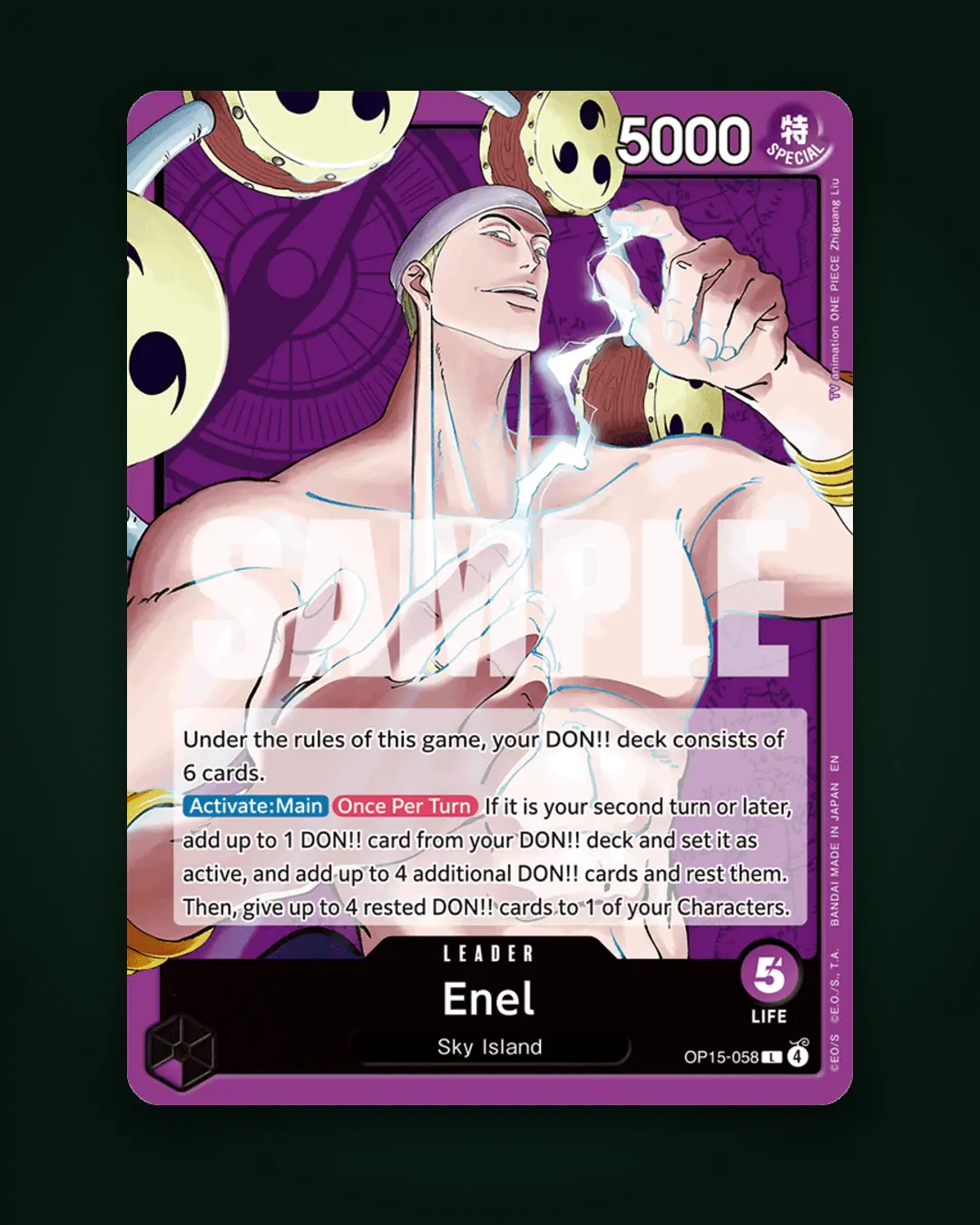
Bulk Card Grading: Best Practices for One Piece TCG Submissions
Navigating the burgeoning market of the One Piece Card Game requires strategic thinking, especially when considering professional grading. For collectors and investors aiming to maximize value and efficiency, bulk card grading for One Piece TCG submissions offers a compelling solution. This comprehensive guide will equip you with best practices for preparing, sorting, and packing your One Piece TCG bulk orders, ensuring you understand the cost-saving benefits of various grading tiers and leverage MasterGrade’s AI pre-screening to optimize your submissions. Understanding these steps is crucial for anyone looking to make profitable, organized submissions.
Understanding Bulk Grading Tiers and Cost Savings
Bulk grading is designed for collectors submitting a significant number of cards, offering a substantially reduced per-card grading fee compared to standard services. This strategy is particularly effective for popular TCGs like One Piece, where even common or uncommon cards with pristine condition can hold unexpected value, and higher rarity cards often fall within bulk tier value limits.
Major grading companies, including PSA, BGS, and CGC, structure their bulk services around two primary criteria:
- Minimum Card Count: Typically ranging from 25 to 100 cards per submission.
- Maximum Declared Value Per Card: This is the estimated market value of the card after grading, usually capped at $199-$499 per card for bulk tiers, depending on the service level.
For example, as of Q1 2026, PSA's "Value" tier might require a minimum of 25 cards with a maximum declared value of $199 per card, priced at approximately $20 per card. In contrast, a "Bulk" tier could demand 100+ cards, maintaining the $199 declared value limit, but dropping the price to around $15 per card. Submitting a similar card individually through a standard service might cost upwards of $30-$50. These savings become substantial when grading hundreds or thousands of cards.
Decision Tree: When to Utilize Bulk Grading
- Is your primary goal cost efficiency per card?
- YES: Proceed with bulk.
- NO (prioritize speed or extremely high value): Consider faster, more expensive tiers.
- Do you have at least 25-100 cards that meet the declared value criteria (e.g., under $199-$499 per card)?
- YES: Bulk is a viable option.
- NO: Accumulate more cards or consider smaller, higher-cost submissions.
- Are you submitting cards that are likely to achieve a high grade (e.g., PSA 9 or 10, BGS 9.5 or 10, CGC 9.5 or 10)?
- YES: Bulk grading is highly recommended to maximize ROI.
- NO (cards with noticeable flaws): Use MasterGrade's AI pre-screening to filter out cards unlikely to grade well, saving you submission fees.
Pre-Submission Screening: The MasterGrade Advantage
Before committing to the expense of a grading submission, an effective pre-screening process is paramount. This is where MasterGrade's AI-powered platform provides a significant advantage, acting as your free first line of defense against submitting cards that won't meet your grading expectations.
Traditional pre-screening involves painstaking manual inspection for surface scratches, edge wear, corner dings, and centering issues – subjective and time-consuming work. MasterGrade streamlines this by offering a sophisticated AI grading tool that objectively assesses these critical aspects. By simply scanning your cards, our AI can provide a preliminary grade estimate, highlighting potential flaws that might otherwise go unnoticed.
Our batch grading feature allows you to efficiently pre-screen numerous cards, making it an ideal companion for bulk One Piece TCG submissions. Imagine you have 500 cards you're considering for a bulk order. Instead of manually scrutinizing each one, you can process them through MasterGrade, quickly identifying those that have a strong chance of achieving a gem-mint grade versus those with defects that would likely result in a lower, less profitable grade. This process saves you not just time, but crucially, money. Why pay $15-$20 to grade a card that MasterGrade's AI indicates is unlikely to achieve better than a PSA 7 or BGS 8?
Start your pre-screening with MasterGrade today. Our free AI card grader is an indispensable tool for maximizing your bulk submission's potential ROI.
Preparing Your One Piece TCG Cards for Bulk Submission
Meticulous preparation is critical for preserving card condition and ensuring a smooth grading process.
Initial Sorting and Assessment
Begin by visually inspecting each raw card under good lighting. Look for obvious flaws:
- Surface: Swirls, scratches, print lines, dimples.
- Edges: White nicks, scuffing, fraying.
- Corners: Rounding, dings, wear.
- Centering: Off-center images, uneven borders.
Prioritize cards with pristine surfaces, sharp edges, and crisp corners. High-value cards like Alt-Art Leaders (e.g., Monkey.D.Luffy (OP05-060 L Alt-Art)) or Manga Rares (e.g., Nami (OP01-016 AA Manga Rare)) warrant the most stringent scrutiny. Even for bulk, aim for cards that have the highest probability of achieving a PSA 9 or 10, BGS 9.5, or CGC 9.5+. For identifying specific cards, MasterGrade’s AI card identifier can quickly verify card names and set numbers, streamlining your initial sorting.
Cleaning Best Practices
Careful cleaning can improve a card's surface grade, but improper technique can cause irreversible damage.
- Dust Removal: Use a soft, dry microfiber cloth (specifically for optics or screens) to gently wipe away surface dust or smudges. Wipe in one direction.
- Fingerprint Removal: For stubborn fingerprints, a very lightly dampened corner of the microfiber cloth with distilled water can be used, followed immediately by a dry section. Avoid excessive moisture.
- Avoid: Abrasive materials, chemical cleaners, or excessive pressure. Never attempt to "fix" print defects or creases.
Card Protection
Proper protection is non-negotiable for any submission.
- Penny Sleeves: Every card, regardless of value, must be placed into a clean, acid-free penny sleeve. Ensure the card slides in smoothly without bending.
- Semi-Rigid Card Savers or Toploaders: For bulk submissions, semi-rigid card savers are generally preferred by grading companies as they allow easier removal by graders. Place the sleeved card into the semi-rigid card saver with the opening facing upwards.
- Consistent Orientation: For ease of processing by the grading company, ensure all cards are facing the same direction within their protectors.
Sorting and Organizing Your Bulk Submission
Effective organization saves time for graders, potentially speeding up your order and minimizing errors.
Grouping by Set and Rarity
Grading companies appreciate submissions grouped logically.
- By Set: If submitting cards from multiple sets, group them together. For example, all cards from Romance Dawn (OP01) should be together, followed by all cards from Awakening of the New Era (OP05), and so on.
- By Rarity/Card Number (within set): Within each set, further organize by rarity (e.g., all Common, then Uncommon, then Rare, Super Rare, Secret Rare, Alt-Art). Some collectors prefer to sort by card number for ultimate clarity.
Declared Value Segmentation
This is crucial for meeting the specific requirements of bulk tiers and avoiding upcharges.
- Categorize by Value Brackets: Separate cards based on their estimated post-grade value. For instance, if your grading company's bulk tier has a $199 declared value limit, set aside any cards you anticipate will exceed that.
- Example 1 (Typical Bulk): A high-grade Donquixote Doflamingo (OP01-067 SR) might fetch $20-$25 in Q1 2026. This easily fits within a $199 limit.
- Example 2 (Mid-Tier Bulk/Potential Upcharge): A perfectly centered Monkey.D.Luffy (OP05-060 L Alt-Art) graded PSA 10 might command $400-$5
Get card-grading tips & market news
Join collectors getting our best grading guides, value alerts, and set breakdowns. A few emails a month — no spam.
Stay in the loop
Get notified about new features, grading tips, and market updates.
Related guides
Why you should be paying attention to the One Piece Card Game
Why you should be paying attention to the One Piece Card Game — expert guide for card collectors on MasterGrade.
GuideHow to Protect Your One Piece TCG Cards Before Grading
How to Protect Your One Piece TCG Cards Before Grading — expert guide for card collectors on MasterGrade.
Guide"ONE PIECE Card Game" Official Store Implements Rare Facial: what it means for collectors
"ONE PIECE Card Game" Official Store Implements Rare Facial: what it means for collectors — expert guide for card collectors on MasterGrade.
Grade your cards with AI
Upload a photo and get an instant condition grade with sub-scores and estimated values.
Grade a card free