
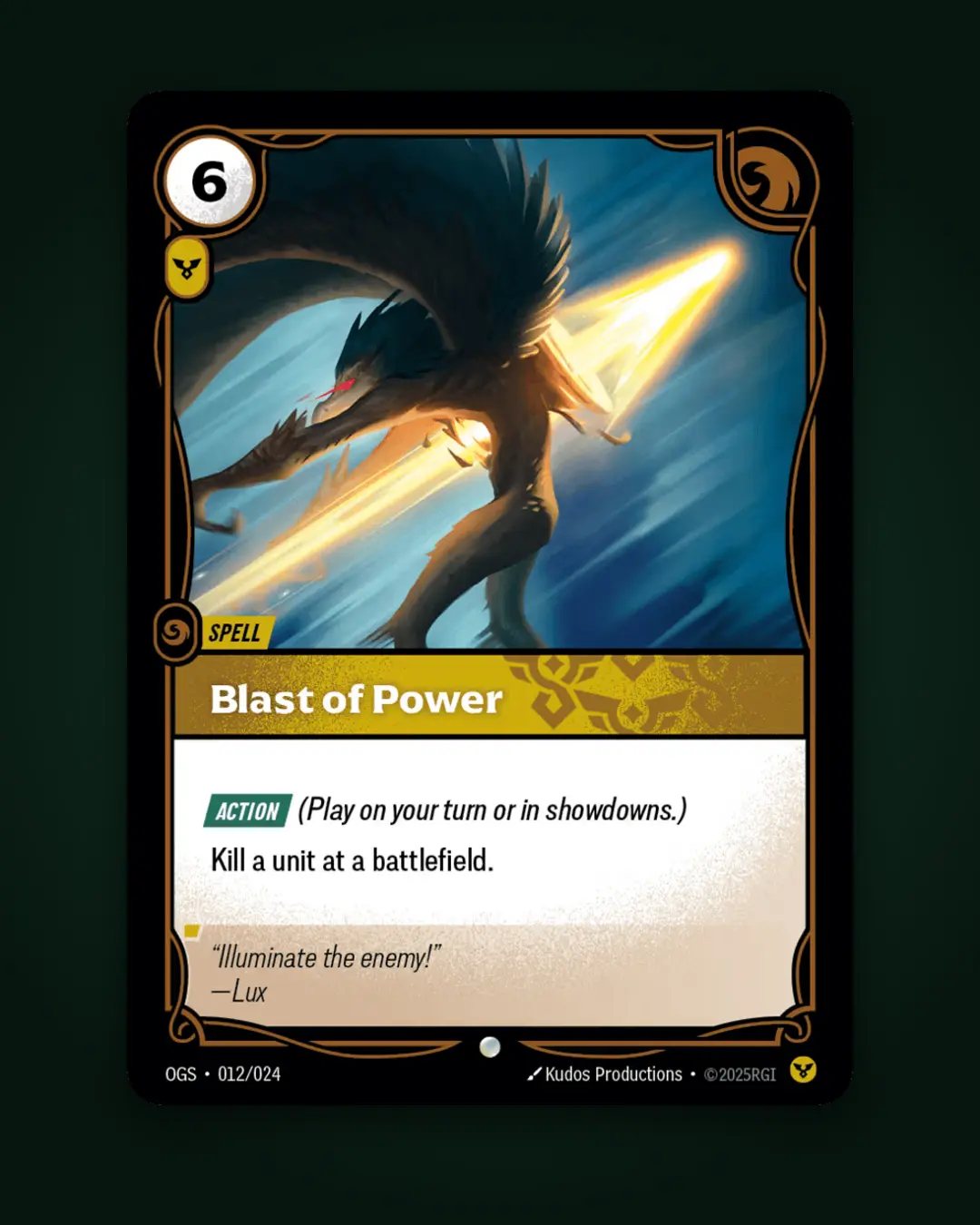
Slideshow: IGN Exclusive Reveals - Riftbound: League of Legends TCG
The gaming world is currently buzzing with anticipation, and for good reason. The recent announcement, titled "Slideshow: IGN Exclusive Reveals - Riftbound: League of Legends TCG," has sent ripples across the collectible card game (CCG) landscape. This isn't just another new TCG; it's a strategic entry from a titan of the video game industry, Riot Games, leveraging the immense popularity of League of Legends. As collectors and investors, understanding the immediate and long-term implications of Riftbound: League of Legends TCG is paramount, especially regarding card grading and market value. This breaking news signifies a pivotal moment for the hobby, demanding a proactive approach to collection management and strategic grading.
While the full scope of details from the IGN exclusive is still being digested across the community, the core fact—a new TCG from a major IP—is undeniable. This article serves as your comprehensive guide to navigating this exciting development, focusing on what has changed, who is affected, and the direct grading and collector implications, complete with concrete next steps.
Understanding the "Riftbound" Revelation
The announcement of Riftbound: League of Legends TCG is significant for several key reasons:
The Power of the IP
League of Legends is one of the most played video games globally, boasting millions of active players and a deeply ingrained lore. This massive, established fanbase immediately translates into a ready-made audience for a TCG. Unlike entirely new IPs, Riftbound benefits from pre-existing emotional connections to characters (champions), factions, and settings. This drastically reduces the barrier to entry for new collectors and players, potentially accelerating market adoption and demand for collectibles. The immediacy of this trending news highlights the sheer scale of the League of Legends brand.
A Shifting TCG Landscape
The TCG market has seen considerable growth and evolution, particularly with the success of other IP-driven games like Disney Lorcana and the enduring dominance of Pokémon and Magic: The Gathering. Riftbound enters this arena with the backing of a major studio and a proven track record in competitive gaming. This competition will likely push innovation in card design, gameplay mechanics, and potentially even distribution models, benefiting collectors with high-quality products.
Key Changes and Market Shifts
The introduction of Riftbound: League of Legends TCG will instigate several market shifts and introduce new dynamics for collectors.
Influx of New Collectors and Market Demand
The most immediate effect will be the influx of League of Legends fans, many of whom may be entirely new to the TCG collecting scene. This demographic will drive initial demand for sealed product, singles, and graded cards. Historically, major TCG launches see significant price volatility in the first 6-12 months as the market finds its equilibrium. Expect high demand for chase cards from early sets, particularly those featuring iconic champions.
Production Quality and Aesthetic Standards
Riot Games is known for its high production values. This likely means Riftbound cards will feature premium card stock, intricate art, and potentially innovative foiling or texture treatments. These elements are crucial for grading. Collectors should anticipate:
- High-Resolution Artwork: Demanding precise centering and surface quality.
- Unique Finishes: Textured foils, alternate art, and serial numbering could become standard, introducing new criteria for graders.
- Card Durability: The quality of the card stock and finish will directly impact edge wear and corner integrity over time.
Long-Term Value Projections
The longevity of League of Legends as an IP bodes well for the sustained value of Riftbound cards. Unlike TCGs based on fleeting trends, Riftbound has the potential for long-term relevance. Early, scarce, and high-grade cards, especially first editions or limited release promos, are poised to become highly sought-after. Consider the sustained value of early Pokémon Base Set cards like Charizard Base Set, which maintain high value decades later due to strong IP and early scarcity.
Direct Grading and Collector Implications
For serious collectors and investors, the launch of Riftbound: League of Legends TCG presents unique opportunities and challenges that directly impact grading strategy.
The "First Edition" Premium
As with any new TCG, the earliest print runs, often designated as "First Edition" or similar, typically carry a significant premium. Cards from the inaugural Riftbound set (hypothetically named "Founding Runeterra") will be scrutinized for condition. A pristine "Legendary Ahri, Nine-Tailed Fox, First Edition Holo" could fetch an estimated un-graded price of $150-$250 upon release, potentially skyrocketing to $1,500-$2,500 for a PSA 10 by late 2026, depending on scarcity and market adoption. These cards represent not just gameplay value but historical significance.
Navigating Initial Print Quality
New TCGs, even from major studios, can sometimes experience initial print quality control issues. This might manifest as:
- Off-Centering: Particularly noticeable on full-art or borderless cards. PSA's official grading standards, for instance, are very strict on centering, with even slight deviations impacting the grade.
- Print Lines or Roller Marks: Surface imperfections that are common in early print runs.
- Edge Chipping: Especially on darker card borders or textured foils.
- Minor Dinged Corners: From factory handling or packaging.
Collectors need to be vigilant when inspecting newly acquired cards. Your eye for detail, coupled with tools like MasterGrade's centering tool, will be invaluable.
Strategic Submissions for Maximum Value
Given the potential for high demand and rapid market shifts, strategic grading is critical:
- Prioritize High-Value Cards: Focus on grading the rarest, most iconic champions, alternate arts, and serialized cards first. These will establish market benchmarks.
- Condition is King: For new releases, getting a PSA 9 or PSA 10 is crucial. A lower grade, like a PSA 7, can drastically reduce value.
- Speed to Market: Early submissions of high-grade cards can capitalize on initial hype and demand.
Before committing to expensive submissions, leverage MasterGrade's free AI card grader. Our advanced AI can pre-screen your cards for critical defects, giving you an accurate assessment of potential grades and helping you decide which cards are truly submission-worthy. This free first step can save you hundreds in unnecessary grading fees.
What to Do Next: Your MasterGrade Action Plan
The announcement of Riftbound: League of Legends TCG is a call to action for every serious collector. Here are concrete steps to prepare and capitalize on this exciting new venture:
1. Stay Informed and Monitor Releases
- Follow Official Channels: Keep an eye on IGN, Riot Games' official League of Legends and Riftbound social media channels, and dedicated TCG news sites for updates
Get card-grading tips & market news
Join collectors getting our best grading guides, value alerts, and set breakdowns. A few emails a month — no spam.
Stay in the loop
Get notified about new features, grading tips, and market updates.
Related guides
Pokémon TCG: Mega Evolution — Chaos Rising launch promo features: what it means for collectors
The Pokémon TCG Mega Evolution Chaos Rising launch promos are here! Learn how to acquire, assess, and grade these valuable Ho-Oh, Keldeo & Delphox cards.
GuideThe Pokémon Company showcases new and upcoming collections containing: what it means for collectors
*Mega Evolution: Chaos Rising* is here! Learn what this means for collectors, grading, card values, and how to prepare your submissions. Expert guide!
GuideNintendo points out how Mega Raichu X looks like an X and Mega Raichu: what it means for collectors
Nintendo's Mega Raichu X/Y announcement impacts Pokémon card collectors! Learn what it means for grading, values, and what steps to take now.
Grade your cards with AI
Upload a photo and get an instant condition grade with sub-scores and estimated values.
Grade a card free