
Sealed Pokemon Booster Boxes: To Grade or Not to Grade
Last reviewed: April 2026. Service information, grading standards, and market context were checked against current hobby guidance and official source pages where applicable.
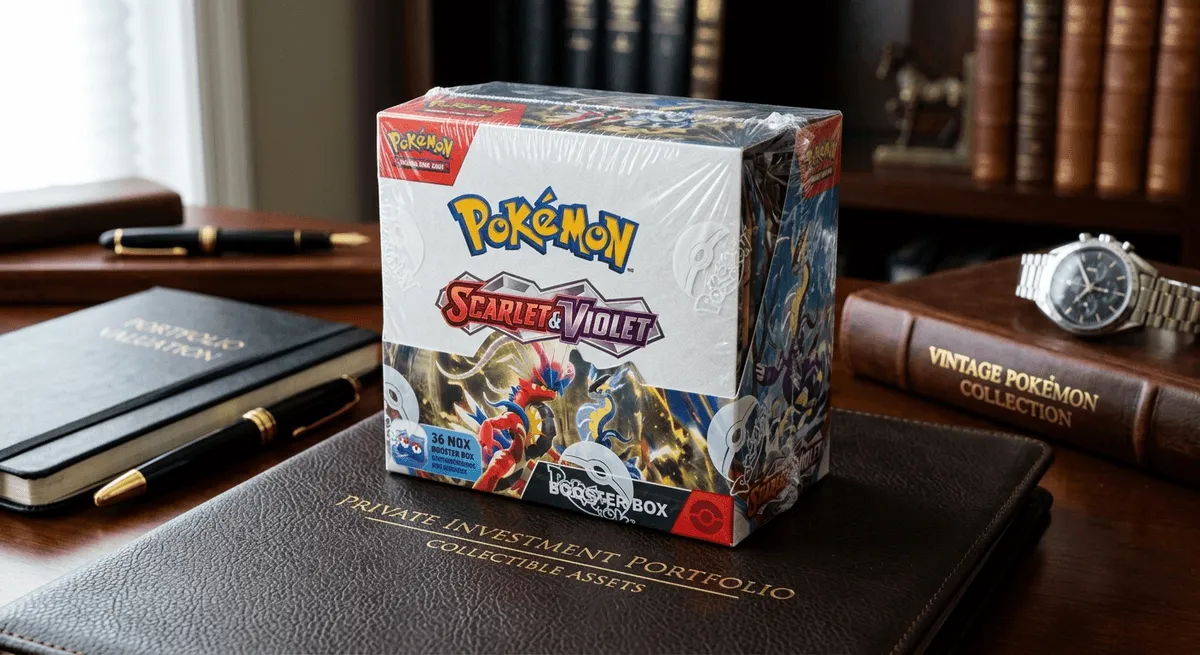
Sealed Pokemon booster boxes sit in a strange and powerful corner of the hobby. They are not as liquid as loose singles, not as romantic as binder grails, and not as easy to analyze as a single graded card. But in many cases they outperform both. In 2026, collectors and investors still debate the same question: if you own a valuable sealed box, should you keep it raw, get it graded, or crack it open and chase the singles inside? The right answer depends on condition, authenticity, and opportunity cost.
The Case for Sealed Pokemon Booster Boxes as Investments
Sealed Pokemon product has one enormous advantage over singles: it contains potential. A vintage box is not just cardboard and wrap. It represents the possibility of iconic pulls, nostalgia, and scarcity all at once. That is why the asset class keeps attracting serious money. A Base Set booster box that once sold for about $100 in 1999 becoming a $30,000-plus item is not just a fun anecdote. It is evidence of how sealed scarcity compounds over time.
Sealed product can outperform singles because opening destroys supply. Every time a collector cracks a box chasing a Charizard or other grail, there is one less intact example left in the market forever. That dynamic creates a structural tailwind for unopened product, especially from eras with strong nostalgia and famous chase cards. Even modern boxes can benefit from this effect if a set becomes culturally memorable.
Of course, sealed value depends heavily on condition. A crushed corner, faded wrap, split seam, or suspect seal can wipe out a huge portion of the premium. Investors pay for confidence and preservation. If the box looks tired, the market assumes risk. That is why sealed collectors obsess over edges, wrap tension, logos, storage history, and authenticity cues. In this niche, condition is not a detail. It is the thesis.
Which Pokemon Booster Boxes Are Worth the Most?
Vintage still dominates the top of the market. Base Set from 1999 remains the headline giant, especially when collectors can distinguish first edition style traits, clean Wizards-era presentation, and authentic factory wrapping. Shadowless-adjacent discussions, Expedition-era boxes, and other early products continue to command attention because they connect to the hobby—™s foundational years. Even some newer products such as Pokemon GO and Shining Fates attract interest when the set theme resonates with casual collectors and sealed holders alike.
Identifying first edition versus unlimited matters because the label can transform value. On vintage Pokemon product, small printing details, logos, and release-era packaging cues make an enormous difference. Serious buyers expect sellers to know those distinctions cold. On top of that, the condition of the unopened box is everything. A rare box with compromised wrap or dented structure may still be valuable, but it will not receive the same enthusiasm as a crisp, square, well-preserved example.
The strongest sealed boxes combine era significance, memorable chase cards, and visible integrity. If a product has nostalgia, low surviving supply, and clean factory presentation, it is already in the conversation. Whether it should be graded depends on how exceptional that presentation really is.
Sealed Grading — What Is a BBE?
In sealed-product collecting, BBE terminology comes from categories like basketball box and baseball box, but the shorthand is often used more loosely in hobby conversation when discussing factory-sealed wax or display product. For Pokemon, the idea is similar: the product itself becomes the graded collectible, not just the cards inside. Instead of evaluating centering and foil scratches, sealed graders focus on wrap integrity, structural shape, corner sharpness, color retention, and authenticity.
A theoretical 10.0-level sealed grade requires an intact factory seal, clean and undisturbed edges, minimal wear, no fading, and no evidence of resealing or environmental damage. That is a high bar. Most older boxes have at least some corner softness, wrap looseness, shelf wear, or minor compression. This is why sealed grading can create enormous premium separation. Near-perfect sealed examples are genuinely uncommon.
Collectors also compare graders. CGC Cards has been more visible in some authentication-heavy conversations around sealed products, while PSA remains the better-known mainstream name for many card collectors. The right choice depends on market preference, authentication confidence, and what buyers in your niche actually trust. A slab only helps if the buyer pool cares about the slab.
When to Open a Sealed Box vs Keep It Sealed
This is where emotion and math collide. The break-even analysis starts with expected single-card value. If the likely singles inside, even under optimistic grading assumptions, do not exceed the sealed market value, opening is usually a poor investment decision. That does not mean opening is always wrong. It means opening is entertainment unless the numbers truly support it.
There is also psychological value. Some collectors buy sealed boxes specifically for the ritual of one future opening. Others love the object itself and would never crack it. Neither mindset is wrong, but they are different use cases. Investors should think in terms of scarcity preservation and market trajectory. Collectors should think in terms of enjoyment. Problems happen when people confuse those goals halfway through the decision.
If the box is exceptionally clean, factory sealed, and from a product line with established long-term demand, keeping it sealed often preserves the strongest upside. Opening becomes more defensible when the box has compromised external condition but the packs may still be authentic and the singles market is unusually strong. In short, open for fun or a very specific strategy. Hold sealed for rarity and optionality.
How to Store Sealed Boxes for Maximum Value
Storage is the silent driver of sealed value. Temperature-controlled, dry environments are ideal because heat, humidity, and direct sunlight gradually attack both wrap and printed cardboard. Sun fading is especially destructive because it announces bad storage instantly. A box can be unopened and still look worn-out if it spent years near a window or in a hot garage.
Collectors often make the mistake of wrapping a box too aggressively in aftermarket plastic. Protection is fine, but the original factory wrap condition is what matters most. You do not want to trap moisture or create abrasion points. Use clean display cases, careful shelving, and minimal handling. The goal is preservation, not overengineering.
If you own multiple boxes, label purchase history and storage location so you can track provenance. Buyers appreciate a believable care story. In sealed collecting, how you stored the product becomes part of why someone trusts the product.
How to Tell if a Sealed Box Is Still Factory Sealed
Authentication starts with the wrap itself. Real factory seals have pattern consistency, expected logo placement for the era, natural-looking tension, and corners that fit the product shape instead of fighting it. Suspicious boxes often show uneven seam work, plastic that looks too thick or too glossy, incorrect logo repetition, or shrink patterns that do not match known authentic examples.
Dimensions matter too. Height-to-width ratios, flap structure, and how the wrap sits around the edges can reveal resealing. Texture is another clue. Genuine wrap usually has a familiar feel for the product era, while counterfeit or replacement wrap can feel strangely loose, brittle, or overly smooth. Compare with known authentic references whenever possible.
Common counterfeits target valuable vintage products because the upside for scammers is huge. If a box is expensive enough that a mistake would hurt, expert review or sealed grading can be worth considering simply for authentication confidence.
Using AI to Assess Card Condition Before Deciding to Open
AI cannot see inside a sealed booster box, but it can help with the decision framework that comes next. If you are considering opening a modern or semi-modern box because you expect to grade hits from the set, pre-screening similar pulls with AI gives you a better sense of likely grading yield. If the set has chronic centering problems or widespread surface defects, the singles upside may be weaker than the sealed premium suggests.
MasterGrade AI is most useful after opening or when comparing likely outcomes across a product line. It helps evaluate actual pulled cards for centering, corners, edges, and visible surface quality so you can estimate whether the contents would justify the break from sealed to singles. That does not answer the investment question alone, but it makes the decision smarter.
If you do open product and want a fast read on what deserves a submission, try /grade.
FAQ
Are sealed Pokemon booster boxes good investments?
They can be, especially when tied to iconic eras, authentic factory seals, and strong long-term collector demand.
Should I grade a sealed box?
Grade when the box is unusually clean, highly valuable, and authentication confidence or presentation premium could add meaningful value.
Is it better to keep a box sealed or open it?
Usually sealed, unless the singles math strongly favors opening or your goal is entertainment rather than investment.
How do I know if a box is factory sealed?
Check wrap pattern, tension, seams, logos, dimensions, and compare against known authentic examples from the same era.
Can AI help with sealed-product decisions?
AI helps most with evaluating singles you pull or estimating likely grading quality for a set, not with certifying the unseen contents of a sealed box.
Need help evaluating cards after an opening? Use /grade.
Want to know if your card is worth grading before you pay submission fees?
Try MasterGrade AIRelated Articles
How to Spot a Fake Pokemon Card: Complete Authentication Guide
Learn how to spot fake Pokémon cards by checking print quality, texture, holo patterns, borders, cardstock, and other authenticity red flags.
April 1, 2026 · 8 min read
Japanese Pokemon Cards: Grading and Value Guide
A guide to grading Japanese Pokémon cards, including condition standards, market demand, and why top Japanese copies can command strong premiums.
April 1, 2026 · 8 min read
Pokemon Sealed Products as Investments: What to Buy in 2026
A guide to evaluating Pokémon sealed products for investment, including authenticity checks, condition risks, and long-term value drivers.
April 1, 2026 · 8 min read
Pokemon VSTAR, VMAX and V Cards: Modern Grading Standards
Learn what matters most when grading Pokémon VSTAR and VMAX cards, from centering and print quality to the premiums attached to top grades.
April 1, 2026 · 8 min read