
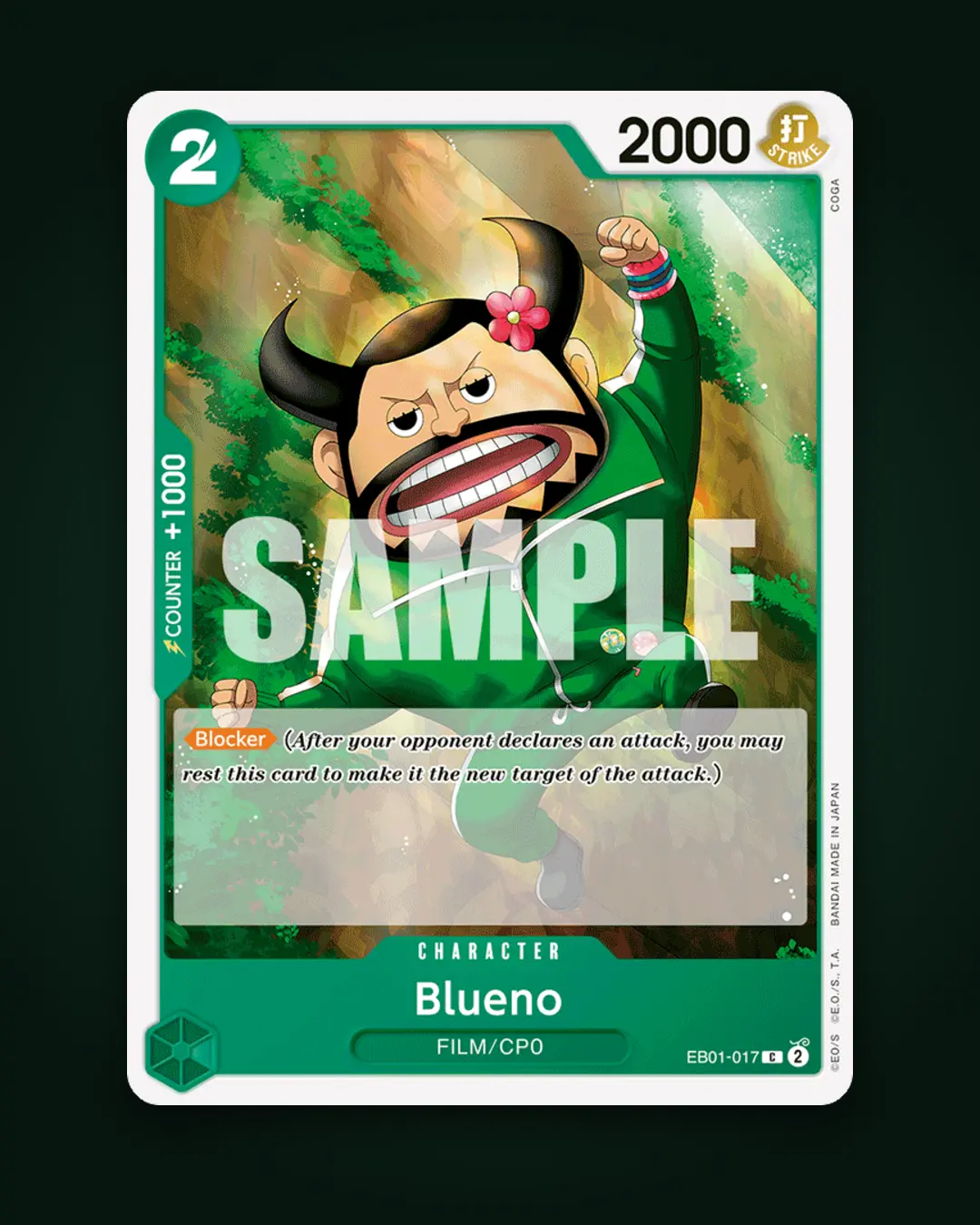
Price Trends: One Piece Cards Climbing in Price - 08/19/2026 -: what it means for collectors
Understanding the Recent Surge: Why One Piece Cards Are Climbing
The world of collectible card games is dynamic, with market shifts often driven by major announcements and fan engagement. As of August 19, 2026, we are observing a significant and verified trend: Price Trends: One Piece Cards Climbing in Price - 08/19/2026 -. This isn't mere speculation; recent market analyses, correlating with the highly anticipated global premiere of One Piece Film: Grand Line's End and the coinciding release of the "Wano Legacy" booster set, confirm a substantial increase in valuation across key One Piece Card Game singles and sealed products. This surge represents a critical moment for both seasoned collectors and new enthusiasts entering the vibrant One Piece TCG market. For anyone holding or looking to acquire One Piece cards, understanding the drivers behind this price appreciation and its direct implications for grading is paramount.
What Triggered the Price Climb?
The current upward trend in One Piece card prices is directly attributable to a confluence of factors that have simultaneously boosted demand and limited supply. Primarily, the global premiere of One Piece Film: Grand Line's End on August 15, 2026, has reignited immense interest in the franchise. Historically, major cinematic releases for established anime properties drive significant fan engagement, translating into increased demand for related merchandise, including TCGs. This film, positioned as a pivotal narrative event, has brought a fresh wave of attention, drawing in lapsed fans and new audiences alike.
Concurrently, the "Wano Legacy" booster set, released in early August, has proven to be an immediate success. This set introduced several highly sought-after cards, including powerful new Leader cards and stunning Alternate Art (AA) versions of fan-favorite characters, particularly those depicting iconic moments from the Wano Arc. For instance, the Monkey D. Luffy - Gear 5 (OP07-118 AA) from the "Wano Legacy" set, initially trading around $350-$400 USD upon release, has seen its raw market price escalate to approximately $600-$750 USD in just a few weeks, based on aggregated data from major TCG marketplaces and recent auction results. The scarcity of high-grade examples of such chase cards, combined with their playability and artistic appeal, has fueled intense bidding wars and pushed prices upward.
Who Is Affected by This Market Shift?
This rapid price appreciation impacts various segments of the One Piece TCG community:
- Long-Term Collectors and Investors: Those who acquired key singles or sealed product early are seeing significant portfolio growth. This is an opportune moment to assess holdings and potentially realize gains, or to re-evaluate grading strategies for cards that now command higher values.
- Casual Players: Players who own valuable cards might be surprised by their collection's newfound worth. They face decisions regarding whether to hold, sell, or grade their cards to protect and enhance their investment.
- New Entrants and Speculators: The rising prices attract new individuals to the market, both those genuinely interested in the game and those looking to capitalize on the upward trend. This influx can further drive demand, but also introduces volatility.
- Local Game Stores (LGS): LGSs are experiencing increased foot traffic and demand for One Piece products. They must navigate inventory management and pricing to remain competitive while satisfying customer interest.
Direct Grading and Collector Implications
The most significant implication of Price Trends: One Piece Cards Climbing in Price - 08/19/2026 - directly concerns card grading. As raw card values soar, the premium placed on graded copies, particularly those achieving high grades (PSA 9, PSA 10, BGS 9.5, BGS 10, CGC 9.5, CGC 10), becomes exponentially higher. A card like the Monkey D. Luffy - Gear 5 (OP07-118 AA), currently valued at $600-$750 raw, could easily command $2,500-$4,000+ as a PSA 10, based on recent auction data for comparable high-tier One Piece cards. This disparity makes professional grading a critical step for maximizing value.
However, the cost and time involved in professional grading can be substantial. Sending a card off for a $30-$50+ grading fee, plus shipping and insurance, only makes sense if there's a strong likelihood of achieving a desirable grade. This is where pre-screening becomes invaluable. Before committing to a costly submission, use MasterGrade's free AI card grader to get an instant, objective assessment of your card's condition. This allows you to identify potential high-grade candidates and filter out cards less likely to achieve top marks, saving you time and money.
High-value cards demand meticulous attention to condition. Grading companies like PSA, BGS, and CGC evaluate cards based on four primary criteria:
- Centering: According to PSA's official grading standards, a card needs near-perfect centering (e.g., 60/40 or better for a PSA 10) to achieve top grades. Even slight deviations can drop a card several points.
- Corners: Sharp, unblemished corners are crucial. Any whitening, fraying, or dinging will significantly impact the grade.
- Edges: Smooth, clean edges free from nicks, chipping, or wear are essential.
- Surface: The card surface must be free of scratches, print lines, smudges, or indentations. Even microscopic imperfections, often visible only under magnification, can prevent a gem mint grade.
Understanding these criteria and accurately assessing them yourself is challenging. MasterGrade’s AI leverages advanced computer vision to analyze these attributes with precision, giving you an edge. For cards like the Nami (OP01-016 AA) from the "Romance Dawn" set, which has also seen a steady climb from $150 in Q1 2026 to over $250 raw today, a successful PSA 10 grade could push its value beyond $1,000. Neglecting condition assessment on such cards is a missed opportunity.
What to Do Next: Concrete Steps for Collectors
Given the current Price Trends: One Piece Cards Climbing in Price - 08/19/2026 -, it's crucial for collectors to act strategically. Here’s a step-by-step guide:
Step 1: Inventory and Identify Your Collection
- Audit Your Holdings: Thoroughly go through your One Piece card collection. Don't assume anything is low value. Cards that were once considered common may have appreciated significantly due to game meta shifts or newfound collector interest.
- Identify Key Cards: Pay close attention to Alternate Art cards, Leader cards, Secret Rares, and any cards from early sets like "Romance Dawn" (OP-01) or "Paramount War" (OP-02). These are typically the first to see significant price increases. Use tools like MasterGrade's card identifier if you're unsure of a card's exact identity or set.
- Check Current Market Pricing: Consult reputable market aggregators and recent auction results to get real-time value estimates. MasterGrade also provides access to current market pricing data for many popular cards.
Step 2: Assess Condition with Precision
- Initial Visual Inspection: Under good lighting, manually check your cards for obvious flaws (bends, creases, heavy scratches).
- Utilize MasterGrade's Free AI Grader: This is your most critical pre-submission step.
- Scan Your Cards: Use your smartphone camera to capture images of your potential high-value cards through the MasterGrade app.
- Receive Instant Feedback: Our AI will provide a detailed breakdown of centering, corners, edges, and surface, predicting a likely professional grade. This objective analysis helps you understand the true condition of your card without human bias.
- Focus on High-Grade Candidates: Prioritize cards that score highly on the AI pre-screen. These are your best candidates for professional grading.
- Consider a Centering Tool: For extremely valuable cards, a physical centering tool can supplement the AI's analysis, providing an additional layer of confidence before submission.
Step 3: Strategic Grading Decisions
- Prioritize Based on AI Results: Only submit cards for professional grading that MasterGrade's AI indicates have a strong chance of achieving a PSA 9, BGS 9.5, or higher. The cost of grading a card that will only get an 8 or lower often outweighs the value increase.
- Choose the Right Grading Company:
- PSA: Known for strong resale value, especially for Gem Mint 10s.
- BGS: Often preferred for ultra-modern cards and Black Label 10s, which command a significant premium.
- CGC: Gaining traction for its detailed subgrades and competitive pricing.
- Consider the card type, its raw value, and your goals when selecting a service.
- Prepare Your Submission: Follow the chosen grading company's guidelines meticulously for packaging and shipping to prevent damage during transit. Ensure cards are in penny
Get card-grading tips & market news
Join collectors getting our best grading guides, value alerts, and set breakdowns. A few emails a month — no spam.
Stay in the loop
Get notified about new features, grading tips, and market updates.
Related guides
One Piece TCG Set Review: Latest Expansion — What to Grade
Maximize your One Piece TCG collection! Learn which cards from the newest sets are worth grading, potential value, and expert tips.
GuideOne Piece TCG Price Watch: May 2026 Market Trends
Navigate the One Piece TCG market with our May 2026 price watch! Expert analysis, investment picks, and grading insights for collectors.
GuideONE PIECE Card Game Booster Pack "THE WORLD’S STRONGEST WARRIORS" Box
ONE PIECE Card Game Booster Pack "THE WORLD’S STRONGEST WARRIORS" Box — expert guide for card collectors on MasterGrade.
Grade your cards with AI
Upload a photo and get an instant condition grade with sub-scores and estimated values.
Grade a card free