
Pokemon VSTAR, VMAX and V Cards: Modern Grading Standards

Last reviewed: April 2026. Service information, grading standards, and market context were checked against current hobby guidance and official source pages where applicable.
Modern Pokemon cards look cleaner, brighter, and more dramatic than many vintage releases, but they are not automatically easier to grade. In fact, V, VMAX, VSTAR, and modern ex cards created a grading environment where tiny manufacturing flaws matter more because collectors expect freshness. When a card comes straight from a pack in the Sword & Shield or Scarlet & Violet era, buyers assume it should be sharp. The reality is more complicated.
The Modern Pokemon Generation — Gen 8+ Cards Are Different
Gen 8 introduced a modern Pokemon era defined by V, VMAX, and later VSTAR mechanics, followed by the return of ex-style branding in newer generations. These cards differ from Base Set and Fossil-era cards in both presentation and manufacturing. Vintage cards are often forgiven for age-related wear and rougher print consistency. Modern cards are judged against a much tougher expectation: they should be close to perfect from day one.
Card stock and holofoil processing changed too. Modern Pokemon cards often use different paper weight, coating layers, texturing, and reflective treatments compared with older eras. That creates new forms of appeal and new forms of risk. A textured alternate art might hide certain flaws better than a flat holo, while a glossy ultra rare can reveal every scratch under bright lighting. The visual sophistication of modern cards makes condition judgment harder, not easier.
This matters for grading because the market is extremely selective. Collectors will often pay strong raw prices for a favorite card, but the real premium shows up when a modern hit gets a PSA 10. The standards are modern, the population is large, and the supply of near-mint raw copies is deep. To stand out, the card has to be genuinely elite.
Understanding Pokemon V, VMAX, and VSTAR Rarity Types
Modern Pokemon rarity language can confuse new collectors because base rarity labels and collector-facing chase tiers overlap. At the broad level, products still include common, uncommon, and rare structures, but the cards people care about for grading usually live in the premium ultra-rare categories. V cards sit at the entry level of modern chase aesthetics, while VMAX and VSTAR cards push visual intensity and collector interest further. On top of that, you have Full Arts, rainbow-style secrets, gold cards, trainer galleries, and special illustration-style treatments that changed how people value art-driven cards.
Full Art cards matter because they often carry strong fan demand even when they are not the rarest item in a set. Double rare and secret-style modern tiers also create a hierarchy where standard V cards may be liquid but not especially grading-worthy, while a special illustration or alternate art can command multiples of the raw price if it gems. That is why alternate art cards often sell for ten times the price of their standard equivalents in a PSA 10. The art is scarcer, the demand is higher, and condition-sensitive buyers care deeply about presentation.
For grading, rarity is really a proxy for premium potential. The more art-driven, scarce, and desirable the card, the more likely a top grade matters. Standard V cards may still be worth grading when they are very popular, but the biggest upside usually lives in full arts, alternate arts, VMAX chase pieces, and VSTAR showcase cards.
Centering Standards for Modern Pokemon Cards
Modern Pokemon print runs are generally better centered than vintage, which sounds like good news until you realize the market knows that too. Because better centering is more common, buyers expect it. A modern card with obvious left-right imbalance stands out more negatively than a similar flaw might on an older release. In many modern sets, 55/45 centering is achievable straight from the pack, and that means submitters should be selective.
Japanese exclusive boxes and releases often have an edge in print consistency, which is one reason Japanese gem rates can feel higher on certain modern products. English cards are more accessible and often have stronger mainstream resale volume, but they can show a bit more variation in border balance and edge quality. If you are choosing between two comparable modern cards, tighter centering is often the easiest first cut.
That said, centering is still only one part of the grade. A beautifully centered card with print lines or corner wear may lose to a slightly imperfect but otherwise cleaner copy. The right move is to use centering as an efficient filter, then inspect everything else ruthlessly.
Surface Defects Unique to Modern Pokemon Cards
One of the biggest myths in modern Pokemon is the phrase gem mint from pack. Pack-fresh does not mean flawless. Holo scratches from automated handling are extremely common, especially on glossy ultra rares and cards with large reflective surfaces. These marks can be invisible in casual light and suddenly obvious under studio lighting. Many collectors only discover them after the card is already in a submission pile.
Print lines are another persistent issue in certain Sword & Shield sets. Depending on the release, horizontal or vertical line defects can appear on foils or textured surfaces, and they are not always dramatic enough to spot instantly. Edge chipping and tiny whitening can also occur right out of the pack, particularly on darker-backed cards where contrast makes flaws easy to see. In other words, modern cards may be newer, but they are not immune to factory defects.
The safest inspection method is to use strong angled lighting, look across the surface rather than down at it, and zoom in on edges and corners with a consistent camera setup. If the card only looks perfect in bad light, it is not perfect.
Full Art and Alternate Art Pokemon — When Grading Matters Most
Grading matters most when the card already has collector prestige. Full Art and alternate art Pokemon cards are the clearest examples. A desirable FA VMAX card might sell for around $50 raw, yet a PSA 10 can push it to $500 or more when the card is scarce, the artwork is beloved, and the set has staying power. That multiplier is not universal, but it is real enough that condition-sensitive collectors obsess over submission quality.
The reason the premium can become so extreme is that high-end alternates are both emotional and competitive as collectibles. People do not just want the card. They want the best-looking version of the card. If populations are high, only pristine copies retain top-tier prestige. If populations stay relatively tight, early high-grade examples can command serious attention.
This is why modern Pokemon grading is not just about whether a card is valuable today. It is about whether the card sits in the kind of category where top-condition copies remain the market favorite years later. Full arts and alternates usually do.
Modern Pokemon Grading Outlook 2026
By 2026, the modern Pokemon grading conversation includes both late Sword & Shield and Gen 9 Scarlet & Violet product. The big question is not whether modern cards can appreciate. Clearly they can. The question is which cards will remain culturally important once the next wave of chases arrives. Special illustration rares, iconic characters, fan-favorite evolutions, and low-supply Japanese exclusives all deserve attention because they combine aesthetic demand with condition-sensitive collecting.
Japanese exclusives often provide stronger production quality and a collector-premium feel, while English cards usually dominate larger resale channels. There is room in both lanes. The smartest submitters focus less on blanket rules and more on card-specific economics. Is the art meaningful? Is the condition exceptional? Is the PSA 10 premium real? If those answers line up, the card is probably worth serious consideration.
If you want a faster way to sort your modern hits before building a submission, use /grade to pre-screen the cards with the strongest grading potential.
FAQ
Are modern Pokemon cards worth grading?
Yes, especially premium V, VMAX, VSTAR, ex, full art, alternate art, and special illustration cards with strong PSA 10 upside.
Do modern cards need perfect centering?
Not perfect, but they need to be strong. Because modern print quality is better overall, the market expects cleaner centering than it often does for vintage.
What defects are common on pack-fresh modern cards?
Holo scratches, print lines, tiny edge whitening, and occasional corner wear are all common enough to matter.
Why do alternate arts gain so much from grading?
Because they combine scarce art, strong collector demand, and a market that pays heavily for the best-looking examples.
Should I grade English or Japanese modern Pokemon?
Both can make sense. Japanese often has tighter print quality, while English usually has broader mainstream resale demand.
Want a quick pre-screen before you submit? Try /grade.
Want to know if your card is worth grading before you pay submission fees?
Try MasterGrade AIRelated Articles
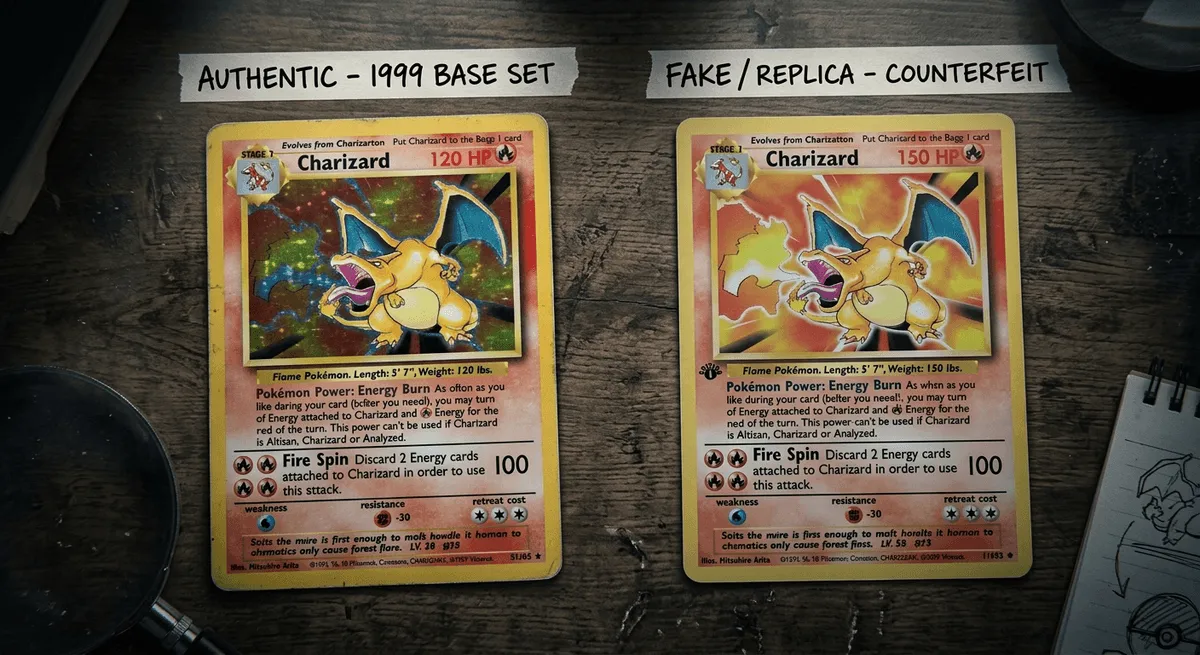
How to Spot a Fake Pokemon Card: Complete Authentication Guide
Learn how to spot fake Pokémon cards by checking print quality, texture, holo patterns, borders, cardstock, and other authenticity red flags.
April 1, 2026 · 8 min read
Japanese Pokemon Cards: Grading and Value Guide
A guide to grading Japanese Pokémon cards, including condition standards, market demand, and why top Japanese copies can command strong premiums.
April 1, 2026 · 8 min read
Pokemon Sealed Products as Investments: What to Buy in 2026
A guide to evaluating Pokémon sealed products for investment, including authenticity checks, condition risks, and long-term value drivers.
April 1, 2026 · 8 min read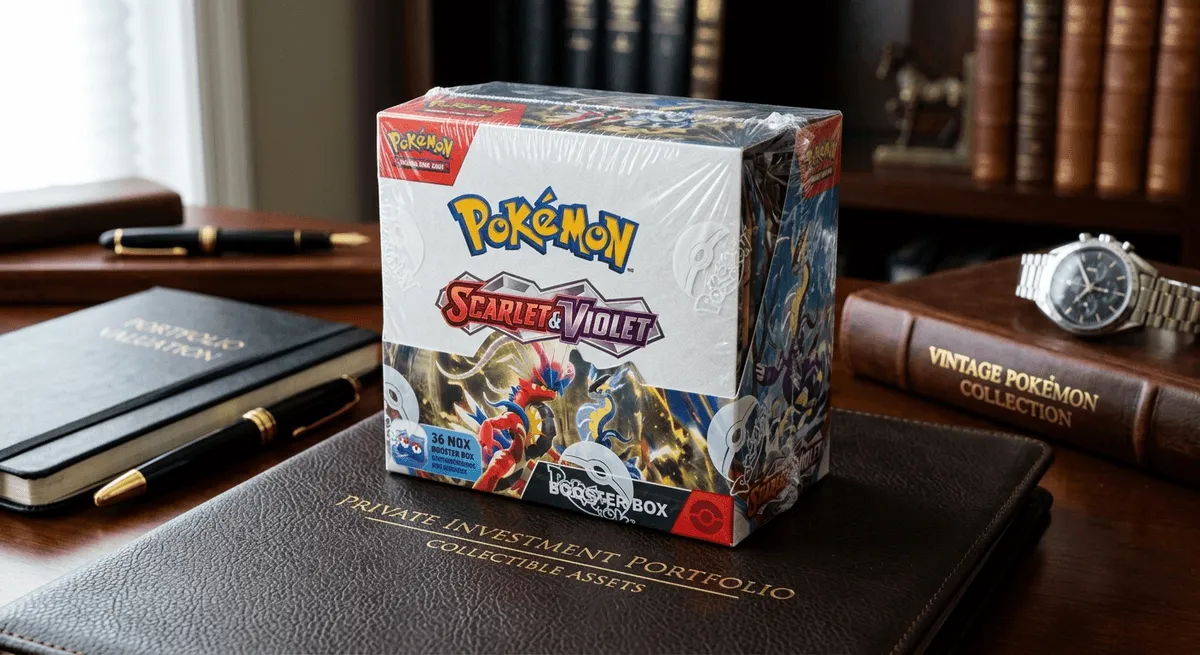
Sealed Pokemon Booster Boxes: To Grade or Not to Grade
A guide to sealed Pokémon booster box investing covering factory-wrap checks, condition standards, and the risks that separate average boxes from premium ones.
April 1, 2026 · 8 min read