
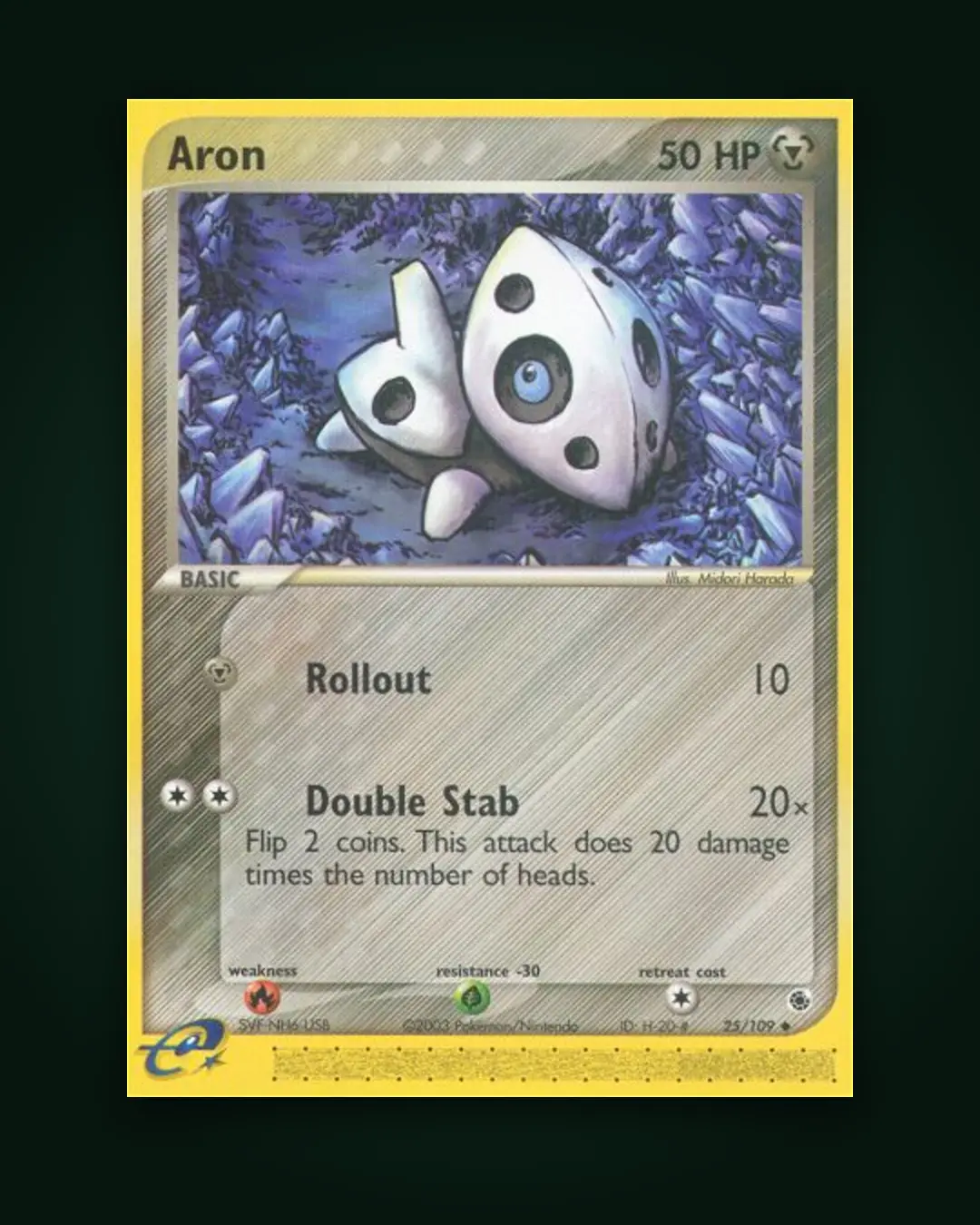
Pokemon TCG Pocket Adds Dual-Type Cards In October, Starting With
Understanding Dual-Type Cards in the TCG Pocket Era
The world of Pokémon TCG collecting is abuzz with the recent announcement that Pokemon TCG Pocket Adds Dual-Type Cards In October, Starting With a new wave of highly anticipated releases. This development marks a significant expansion for the digital card game, bringing a beloved and strategically rich card mechanic from the physical game into the virtual realm. For collectors and players alike, this isn't just a content update; it's a redefinition of collection goals and a potential shift in market interest.
Dual-type cards, historically, have been celebrated for their unique gameplay applications and often distinctive aesthetics. Their introduction to Pokémon TCG Pocket means that players will soon be strategizing with Pokémon that embody the strengths and weaknesses of two distinct types simultaneously. While the specific cards initiating this rollout in October are yet to be fully detailed by official sources, the very concept of dual-types entering the digital platform has immediate and tangible implications for both digital collectors and those who focus on the physical card market. MasterGrade, with its advanced AI-powered grading tools, recognizes the importance of these shifts and aims to equip collectors with the knowledge to navigate them effectively. Before delving into the specific implications, remember that for any physical cards in your collection, a quick pre-submission check with MasterGrade's free AI grader can provide crucial insights into their condition and potential grade.
What Are Dual-Type Cards?
In the traditional Pokémon TCG, dual-type cards are Pokémon that possess two distinct elemental types simultaneously. This mechanic was prominently featured in sets like the EX Delta Species era and later with certain Tag Team GX cards, though the latter often represented two Pokémon rather than a single Pokémon with two types in the energy sense. True dual-types like Ampharos ex (Delta Species), for instance, were both Lightning and Metal types, gaining advantages and disadvantages from both. This duality often meant access to a wider range of attacks, resistances, and weaknesses, significantly impacting gameplay strategy.
Visually, these cards often feature unique artwork that subtly or overtly incorporates elements of both types, making them standout pieces in any collection. Their rarity and unique mechanics have historically made them chase cards for collectors. The introduction of such cards into Pokemon TCG Pocket suggests that the digital platform aims to mirror the depth and collectible appeal of its physical counterpart, offering players and collectors a new dimension of engagement.
The "Pocket" Dimension: Digital vs. Physical
Pokemon TCG Pocket operates as a digital card game where players can open digital packs, collect cards, and battle. While the cards are virtual, the platform has introduced a concept of "digital rarity" and "collectible value," mimicking the physical TCG. However, the dynamics differ significantly:
This distinction is crucial. While Pokemon TCG Pocket cards themselves won't be submitted to PSA, BGS, or CGC, the trends and interest generated by these digital releases can have a ripple effect on the physical market. A popular dual-type Pokémon introduced in Pocket could reignite interest in its physical counterparts, especially high-grade vintage or modern versions.
Direct Implications for Collectors and Graders
The arrival of dual-type cards in Pokemon TCG Pocket creates several immediate and long-term implications for the broader Pokémon TCG community.
New Collection Targets
For Pokemon TCG Pocket players, the most obvious impact is the introduction of entirely new collection objectives. Dual-type cards frequently become highly sought-after due to their distinctiveness and potential power in gameplay. As Pocket begins its rollout in October, these inaugural dual-type cards are likely to be prime targets for players aiming to complete sets or acquire powerful new additions to their digital decks. The "starting with" aspect means that the first dual-type cards released will likely carry a premium, both in terms of perceived value and community interest, setting a precedent for future releases.
For physical card collectors, the implications are more nuanced but equally significant. While Pocket cards aren't physical, the excitement surrounding new dual-type releases in the digital game can often translate into renewed interest in existing physical dual-type cards or even single-type cards of the same Pokémon. This phenomenon, where digital trends influence physical market demand, is a well-established pattern in collectibles.
Grading Considerations for Physical Cards
While MasterGrade's AI pre-screen and other tools are designed for physical Pokémon cards, the introduction of dual-types in Pocket indirectly impacts physical card grading strategies. If a particular Pokémon receives a popular dual-type variant in Pocket, collectors might turn their attention to high-grade physical versions of that Pokémon, whether they are existing dual-types or even popular single-type variants.
Consider the example of Ampharos ex (Delta Species). This card, a true Lightning/Metal dual-type from the EX Delta Species set, has always been a unique collectible. Should Ampharos be among the first Pokémon to receive a popular dual-type rendition in Pokemon TCG Pocket, it's plausible that interest in its physical counterparts, particularly high-grade copies, could see an uptick. A PSA 10 Ampharos ex (Delta Species) might see its approximate 2026 market value, currently estimated around $250-$350 based on historical trends and scarcity, experience increased demand. Collectors holding such cards would be wise to assess their condition using objective tools and consider professional grading. Adhering to standards like those outlined by PSA, BGS, or CGC for centering, surface integrity, corner sharpness, and edge wear becomes paramount for maximizing potential value.
Market Dynamics and Scarcity
The digital nature of Pokemon TCG Pocket means that scarcity is a controlled variable. The developers can adjust pull rates, introduce limited-time releases, or even "retire"
Get card-grading tips & market news
Join collectors getting our best grading guides, value alerts, and set breakdowns. A few emails a month — no spam.
Stay in the loop
Get notified about new features, grading tips, and market updates.
Related guides
Pokémon TCG: Mega Evolution — Chaos Rising launch promo features: what it means for collectors
The Pokémon TCG Mega Evolution Chaos Rising launch promos are here! Learn how to acquire, assess, and grade these valuable Ho-Oh, Keldeo & Delphox cards.
GuideThe Pokémon Company showcases new and upcoming collections containing: what it means for collectors
*Mega Evolution: Chaos Rising* is here! Learn what this means for collectors, grading, card values, and how to prepare your submissions. Expert guide!
GuideNintendo points out how Mega Raichu X looks like an X and Mega Raichu: what it means for collectors
Nintendo's Mega Raichu X/Y announcement impacts Pokémon card collectors! Learn what it means for grading, values, and what steps to take now.
Grade your cards with AI
Upload a photo and get an instant condition grade with sub-scores and estimated values.
Grade a card free