
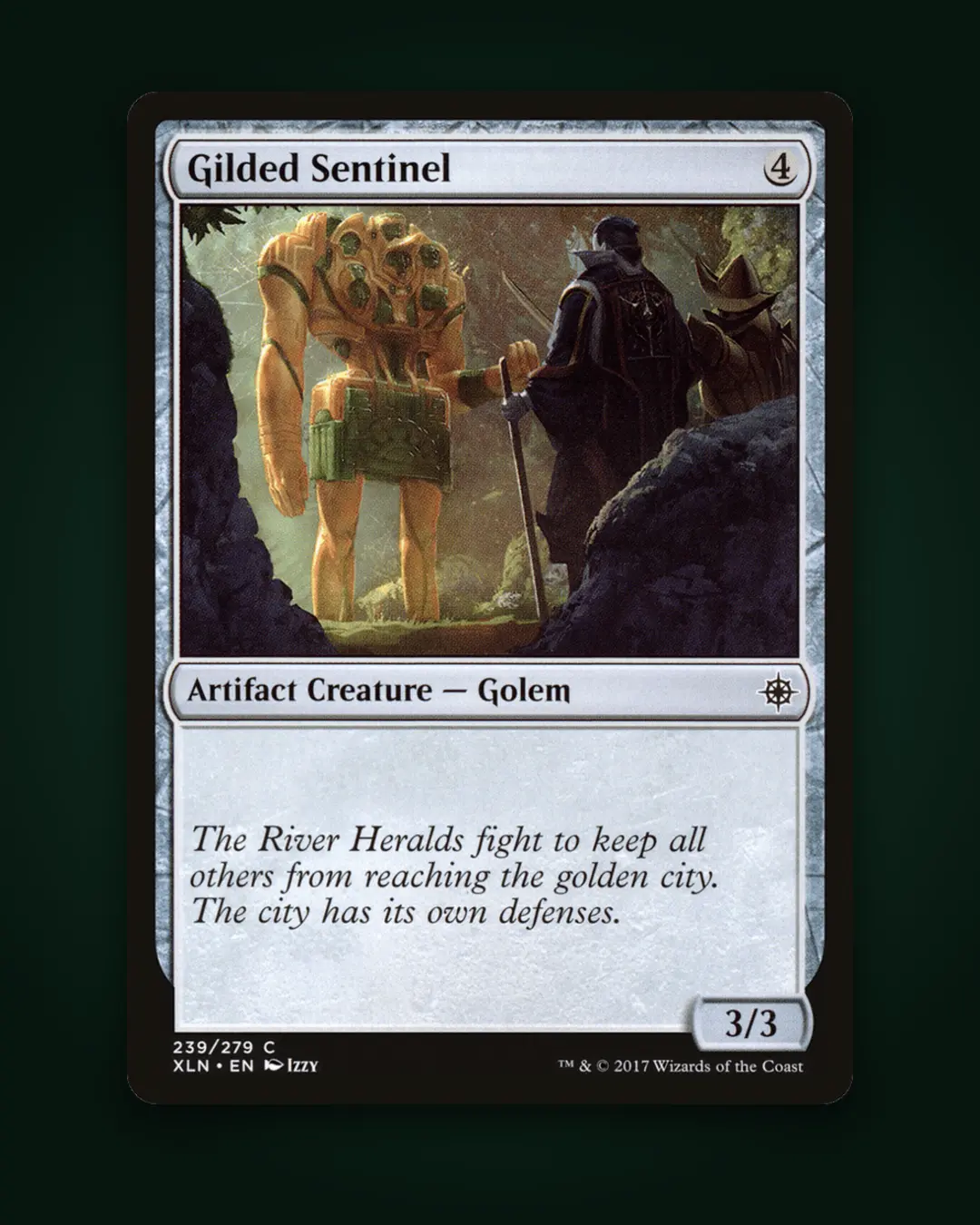
Magic: The Gathering TCG Hot/Cold List for the Week of June 22: what it means for collectors
Understanding the Magic: The Gathering TCG Hot/Cold List for the Week of June 22 and Its Impact on Collectors
The collectible card game market is dynamic, with prices and demand for individual cards shifting constantly. For Magic: The Gathering (MTG) collectors and players, staying ahead of these trends is crucial for informed decisions, especially when it comes to grading. This week, Beckett’s "Magic: The Gathering TCG Hot/Cold List for the Week of June 22" has once again highlighted significant market movements, providing a critical snapshot of which cards are gaining or losing momentum. Understanding these shifts isn't just about knowing current prices; it's about discerning what they mean for your collection, potential investments, and, critically, your grading strategy. This guide will break down the implications of this week's list, who is affected, and provide concrete steps for collectors to navigate these changes effectively.
The "Magic: The Gathering TCG Hot/Cold List for the Week of June 22" serves as an immediate barometer for market sentiment. It identifies cards experiencing notable price increases ("Hot") or decreases ("Cold") over a defined period. These shifts are typically driven by a confluence of factors: competitive play results influencing card demand, new set releases introducing synergies or counters, ban and restricted announcements, or even speculative buying. For a collector, this list isn't just news; it's a call to action, prompting a re-evaluation of current holdings and future grading submissions.
What Changed: Decoding the Market Movements
The Beckett Hot/Cold list provides a concise summary of current market sentiment. While the specific cards on Beckett's June 22 list vary, the underlying reasons for their movement typically fall into predictable categories:
- "Hot" Cards: These are cards experiencing increased demand and rising prices. This often results from:
- Competitive Meta Shifts: A card performs exceptionally well in a major tournament (e.g., a Pro Tour, Mythic Championship) or becomes a cornerstone of a dominant deck archetype in formats like Modern, Pioneer, Legacy, or Commander.
- New Synergies: A recently released set (such as Outlaws of Thunder Junction) introduces new cards that create powerful, unforeseen synergies with existing older cards, driving up demand for those previously overlooked pieces.
- Speculative Buying: Investors or collectors anticipate future demand, often based on rumors, leaks, or upcoming product announcements, leading to a surge in purchases.
- Scarcity and Recognition: Older, rarer cards from sets like Mirage or Urza's Saga might see renewed interest as their historical significance and limited supply become more apparent to a new generation of collectors.
- "Cold" Cards: These are cards seeing decreased demand and falling prices. Common causes include:
- Meta Decline: A card or its associated archetype falls out of favor in competitive play, perhaps due to new powerful answers being printed or a shift in the overall game strategy.
- Reprints: The announcement or release of a reprint in a new product (e.g., a Masters set, Commander pre-constructed deck) significantly increases supply, driving down the value of existing copies.
- Bans or Restrictions: A card is deemed too powerful and is banned or restricted in a competitive format, drastically reducing its playability and demand.
- Over-speculation Correction: Cards that were heavily speculated upon may see their prices correct downwards if anticipated demand doesn't materialize or if new information discredits the speculation.
For instance, this week's list might feature a card like Finale of Devastation from War of the Spark experiencing a "Hot" streak. This could be due to a new green-based Commander deck archetype gaining popularity, or a recent competitive showing where it served as a key finisher, driving its approximate current market price for a raw copy to around $40-50 (reflecting 2026 market trends). Conversely, a card like Ragavan, Nimble Pilferer from Modern Horizons 2, despite its historical dominance, might appear on the "Cold" list if a major meta shift or a new counter-strategy significantly reduces its win rate in Modern, causing its raw market price to dip from its peak to perhaps $55-65 (in 2026 terms). Such movements directly impact the perceived value and urgency of grading.
Who Is Affected by These Shifts?
The ripple effects of the "Magic: The Gathering TCG Hot/Cold List for the Week of June 22" extend across various segments of the MTG community:
- Collectors Holding "Hot" Cards: If you own a card that has gone "Hot," its raw market value has likely increased, and consequently, its potential graded value has also surged. This creates an immediate opportunity to capitalize on demand, either by selling raw or, more strategically, by getting high-condition copies professionally graded.
- Collectors Holding "Cold" Cards: If a card in your collection has gone "Cold," its value has decreased. This might be a signal to hold rather than sell, especially if you believe its value will rebound. For grading, it means re-evaluating if the cost of grading still justifies the potential return, particularly for less-than-perfect copies.
- Prospective Buyers: The list offers crucial buying signals. "Cold" cards, especially those whose decline is due to temporary meta shifts rather than fundamental issues (like bans), can present excellent buying opportunities for long-term holds or players looking to acquire staples at a discount. "Hot" cards, while more expensive, indicate strong current demand and often represent stable, powerful assets.
- Players and Deck Builders: The list directly reflects the current competitive landscape. "Hot" cards might be essential additions to top-tier decks, while "Cold" cards might be falling out of favor, influencing deck construction and investment in playables.
- Grading Service Users: The most direct impact is on grading strategy. The decision to submit a card for grading is heavily influenced by its current and projected market value. A "Hot" card with strong demand makes the grading investment more appealing, while a "Cold" card requires more careful consideration.
Before making any financial commitments, particularly for cards seeing significant price movement, it's prudent to get a preliminary assessment. MasterGrade offers a free AI card grader that can provide an instant pre-screen of your card's condition, giving you a solid baseline before considering a paid submission.
Direct Grading and Collector Implications
The implications of the Hot/Cold list for grading are profound and require a nuanced approach. Professional grading, whether through PSA, BGS, CGC, or others, adds significant value, but only when the underlying card and its condition warrant the investment.
For "Hot" Cards: Maximizing Opportunity
When a card goes "Hot," its market value increases, making the premium associated with a high-grade copy even more substantial.
- Increased Graded Value: A PSA 10 or BGS 9.5 copy of a "Hot" card will command a significantly higher premium than its raw counterpart, and this premium will be amplified by the card's rising baseline value. For example, if Finale of Devastation goes "Hot" and its raw price stabilizes at $50 (2026 price), a PSA 10 copy could easily fetch $200-300+, a much higher multiplier than if its raw price was $20.
- Urgency for High-Condition Copies: If you possess a "Hot" card in pristine condition, there's a strong incentive to get it graded quickly. The market is eager for high-grade copies, and acting fast allows you to capitalize on peak demand. According to PSA's official grading standards, factors like perfect centering, sharp corners, and a clean surface are paramount for achieving top grades.
- Careful Condition Assessment: Even for "Hot" cards, condition is king. A card with noticeable flaws (e.g., slight creasing, edge wear, poor centering) will not achieve a top grade, and the grading fee might not be recouped. Utilize tools like MasterGrade's centering tool for a precise evaluation before submission.
For "Cold" Cards: Strategic Re-evaluation
When a card goes "Cold," its market value dips, necessitating a more cautious approach to grading.
- Diminished Graded Value: While a high-grade "Cold" card will still command a premium over its raw counterpart, the absolute value of that premium will be lower. If Ragavan, Nimble Pilferer drops to a raw price of $60 (2026 price), a PSA 10 might fetch $200-250, which is still good, but less impactful than when its raw price was $100+.
- Delayed Grading for Imperfect Copies: Unless you have an absolutely gem-mint "Cold" card, it might be advisable to hold off on grading. The $30+ cost of a standard grading submission (referencing MasterGrade's pricing structure) might not be justified if the card isn't likely to achieve a high grade and its overall market value is depressed.
*
Get card-grading tips & market news
Join collectors getting our best grading guides, value alerts, and set breakdowns. A few emails a month — no spam.
Stay in the loop
Get notified about new features, grading tips, and market updates.
Related guides
The 5 Most Valuable Cards on the Magic: The Gathering Marvel Super: what it means for collectors
The 5 Most Valuable Cards on the Magic: The Gathering Marvel Super: what it means for collectors — expert guide for card collectors on MasterGrade.
GuideHow to Play Mood Swings: The Ultimate Guide to Mark Rosewater’s New: what it means for collectors
How to Play Mood Swings: The Ultimate Guide to Mark Rosewater’s New: what it means for collectors — expert guide for card collectors on MasterGrade.
GuideBreaking Down Magic: The Gathering Avengers Assemble TCG Commander: what it means for collectors
Breaking Down Magic: The Gathering Avengers Assemble TCG Commander: what it means for collectors — expert guide for card collectors on MasterGrade.
Grade your cards with AI
Upload a photo and get an instant condition grade with sub-scores and estimated values.
Grade a card free