
Japanese vs English Pokémon Cards: Grading and Value Differences
Japanese cards grade higher, print cleaner, and often feature exclusive artwork — but English cards command bigger market premiums. Here's the complete breakdown for collectors and investors.
Last reviewed: April 2026. Service information, grading standards, and market context were checked against current hobby guidance and official source pages where applicable.
The Japanese vs. English debate has defined Pokémon card collecting for decades. The two formats are not just language variants — they represent genuinely different physical products with different print quality, different set structures, different PSA 10 population counts, and entirely different collector market dynamics. Understanding these differences is essential for making smart grading and investment decisions.
Physical Differences That Affect Grading
PSA 10 Population: Why Japanese Cards Grade Better
One of the most reliable patterns in card grading: Japanese cards achieve PSA 10 at a significantly higher rate than English equivalents. For modern sets, Japanese PSA 10 rates can be 40—“60% of submitted copies versus 5—“20% for English versions. This comes down to manufacturing consistency.
Japanese printing facilities use tighter quality control and the cards tend to have better average centering from the factory. The thinner card stock is also less prone to the edge whitening that plagues English cards, especially dark-bordered sets.
Estimated PSA 10 Pop Rates (Modern Sets)
*Approximate figures based on PSA population report data. Actual rates vary by specific card.
Value Dynamics: English Premium vs. Japanese Accessibility
Despite grading better, Japanese cards typically sell for less than English equivalents in Western markets. The reasons are structural: the global collector base is primarily English-speaking, eBay and TCGPlayer are English-dominant platforms, and the PSA certification on an English card carries more market recognition with casual buyers.
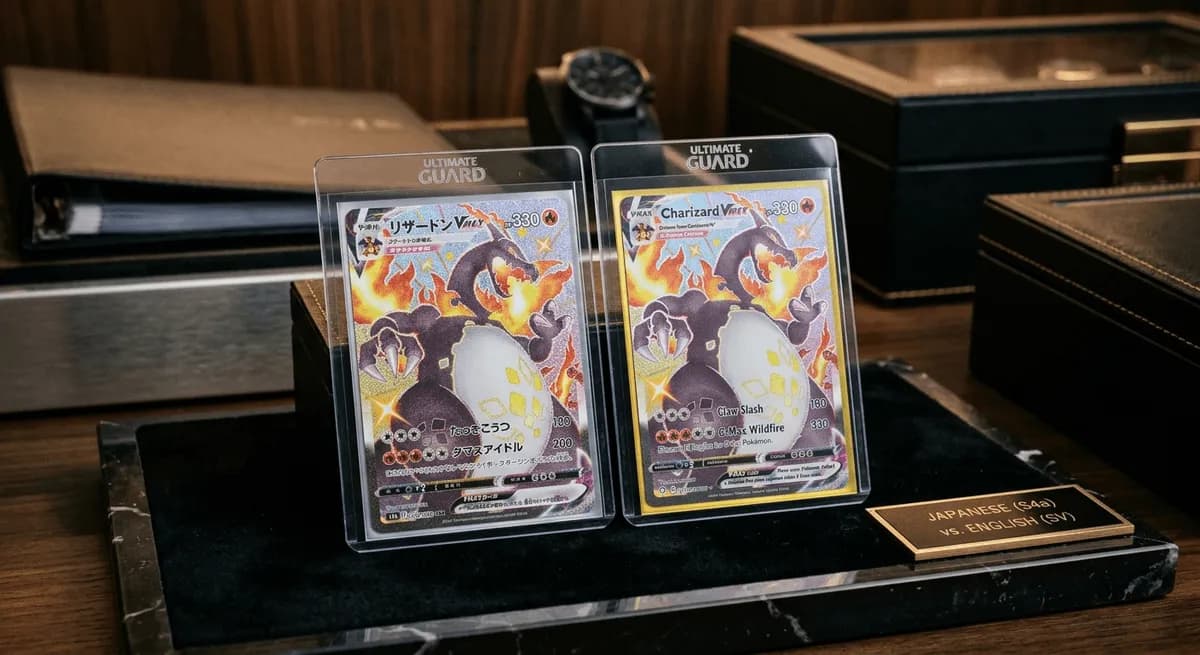
Case Study: Charizard VMAX Shiny (Shining Fates / JP Shiny Star V)
The Shiny Charizard VMAX exists in both English (Shining Fates) and Japanese (Shiny Star V) versions. The Japanese version has far more PSA 10 submissions but sells for a fraction of the English PSA 10.
Japanese Exclusives: The Exception to the Rule
The Japanese advantage flips for cards that have no English equivalent. Japanese promos, tournament cards, and set-exclusive SIRs that were never released internationally command significant premiums precisely because they can't be sourced any other way.
Notable examples of high-value Japanese exclusives:
- Pokémon Card 151 exclusive SIRs — Several trainer SIRs in 151 were never released in English and trade at $300—“$800+ graded
- Ancient Roar / Future Flash SIRs — Japanese-only releases before Paradox Rift hit international markets
- Web series promos — Exclusive to Japanese web stores, many never authenticated
- Gym Leader event promos — Regional tournament prizes, extremely low supply
Grading Considerations by Card Type
Grading Japanese Modern Cards
Japanese modern cards are excellent grading candidates because the PSA 10 rate is high enough that you can build a position in graded copies without excessive waste. The economics work best when you target Japanese exclusives or cards where the JP graded market is underdeveloped relative to collector demand.
Note: PSA now processes Japanese cards at standard rates and timeline — the international premium is gone.
Grading English Modern Cards
English modern cards have lower PSA 10 rates but higher individual slab values. The right strategy is ruthless pre-screening — only submit English cards that pass a rigorous condition check. A 15% PSA 10 rate means 85% of your submissions come back as PSA 9 or lower. Pre-screening with AI before submission can dramatically improve your hit rate.
Grading Vintage Japanese Cards
Vintage Japanese Base Set cards (Jungle, Fossil era) are compelling because they're genuinely rare on Western platforms, grade better than English vintage, and the authentication value alone justifies grading for valuable holos. A PSA 10 Charizard from the Japanese Base Set is a serious collector piece.
Which Should You Collect?
There's no universal answer — it depends on your goals:
Investment/resale: English cards, focus on PSA 10. Higher individual value per slab despite lower hit rate.
Collection building: Japanese cards offer better value per dollar. More PSA 10s for your budget.
Exclusive hunting: Japanese-only sets are the only option for many coveted cards. Worth learning the JP market.
Vintage prestige: English 1st Edition always wins on market recognition and peak sale prices.
Master Grade supports both Japanese and English cards.
Upload your card for an instant AI grade assessment — any language, any era.
Related Articles
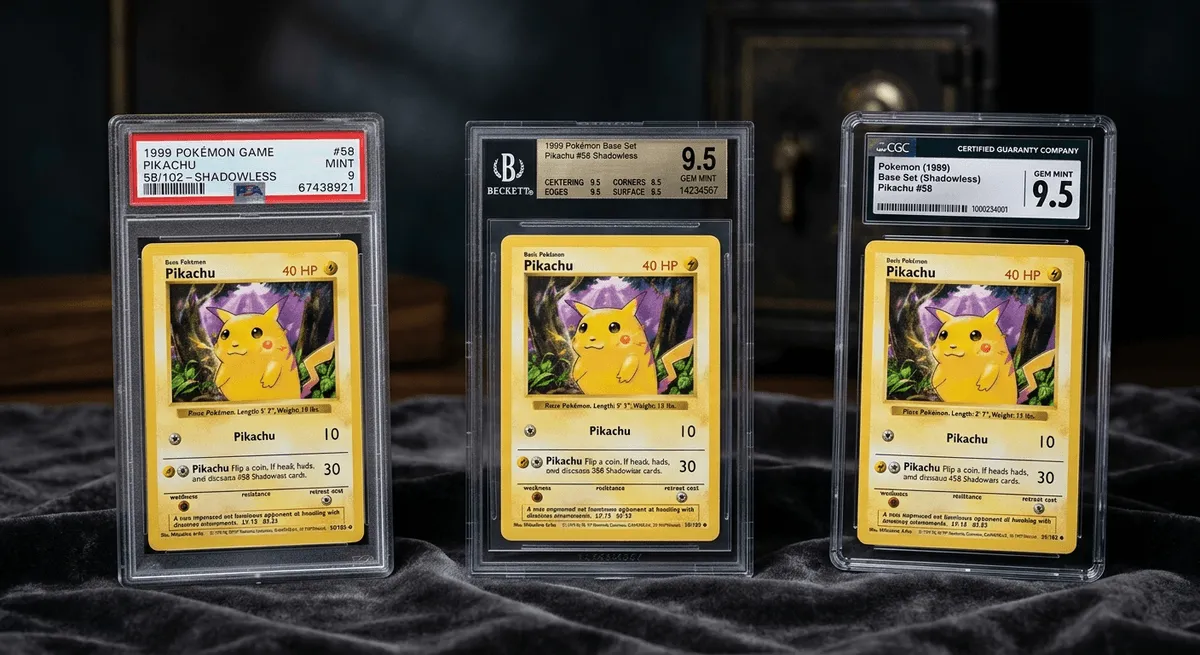
PSA vs BGS vs CGC: Which Grading Service Should You Use?
A detailed comparison of the three major card grading services. Cost, turnaround time, accuracy, market premium, and which is best for your collection.
March 31, 2026 · 6 min read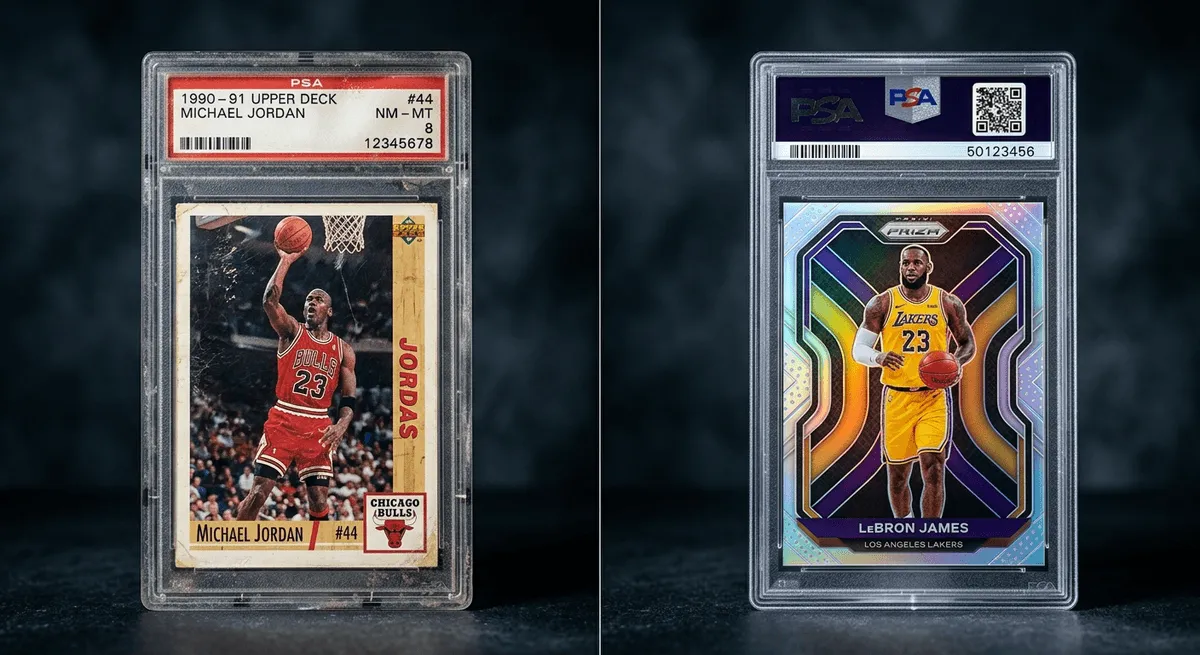
Modern vs Vintage Card Grading: How Submission Strategy Changes
Why modern and vintage cards need different review standards, different expectations, and different submission discipline.
April 1, 2026 · 8 min read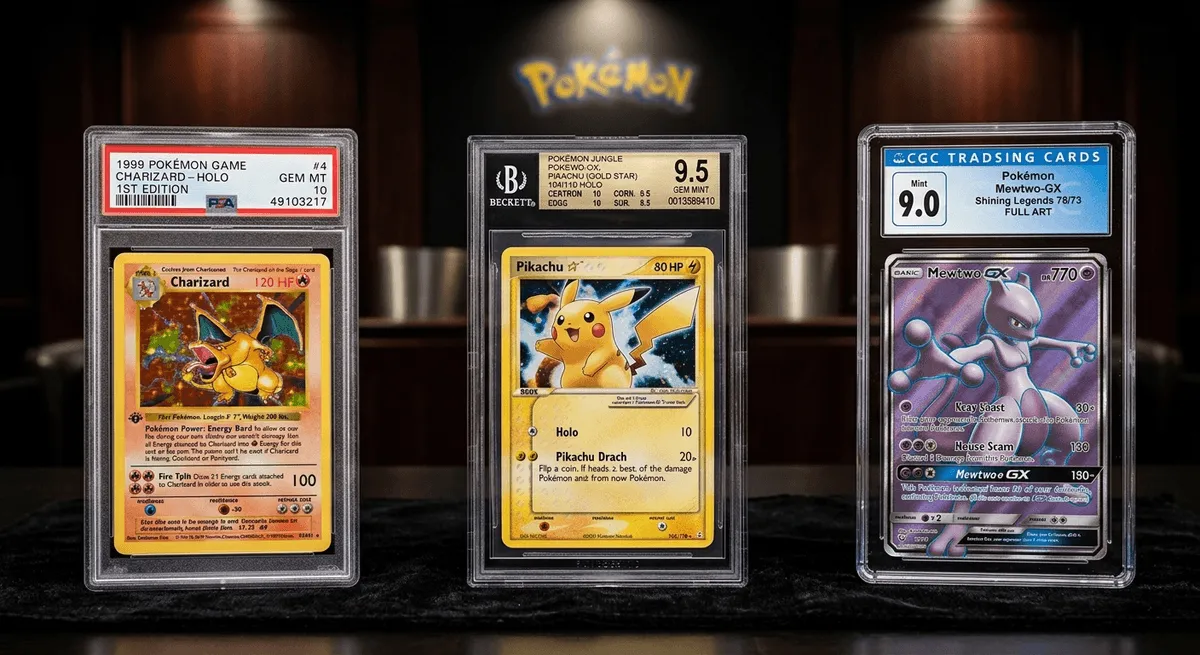
Best Card Grading Service for Pokémon: PSA, BGS, or CGC for Your Goal?
A decision guide for Pokémon collectors choosing between PSA, BGS, and CGC based on resale premium, subgrades, turnaround, and collection style.
April 1, 2026 · 8 min read
Day 1 of the 2026 Pokémon Los Angeles Regional Championships now underway featuring Pokémon VGC, Pokémon TCG and Pokémon GO events, tune in to the official livestream feeds here
The 2026 Pokémon Los Angeles Regionals are underway! Learn what this means for card collectors and how MasterGrade AI grading can help maximize value.
May 9, 2026 · 2 min read