
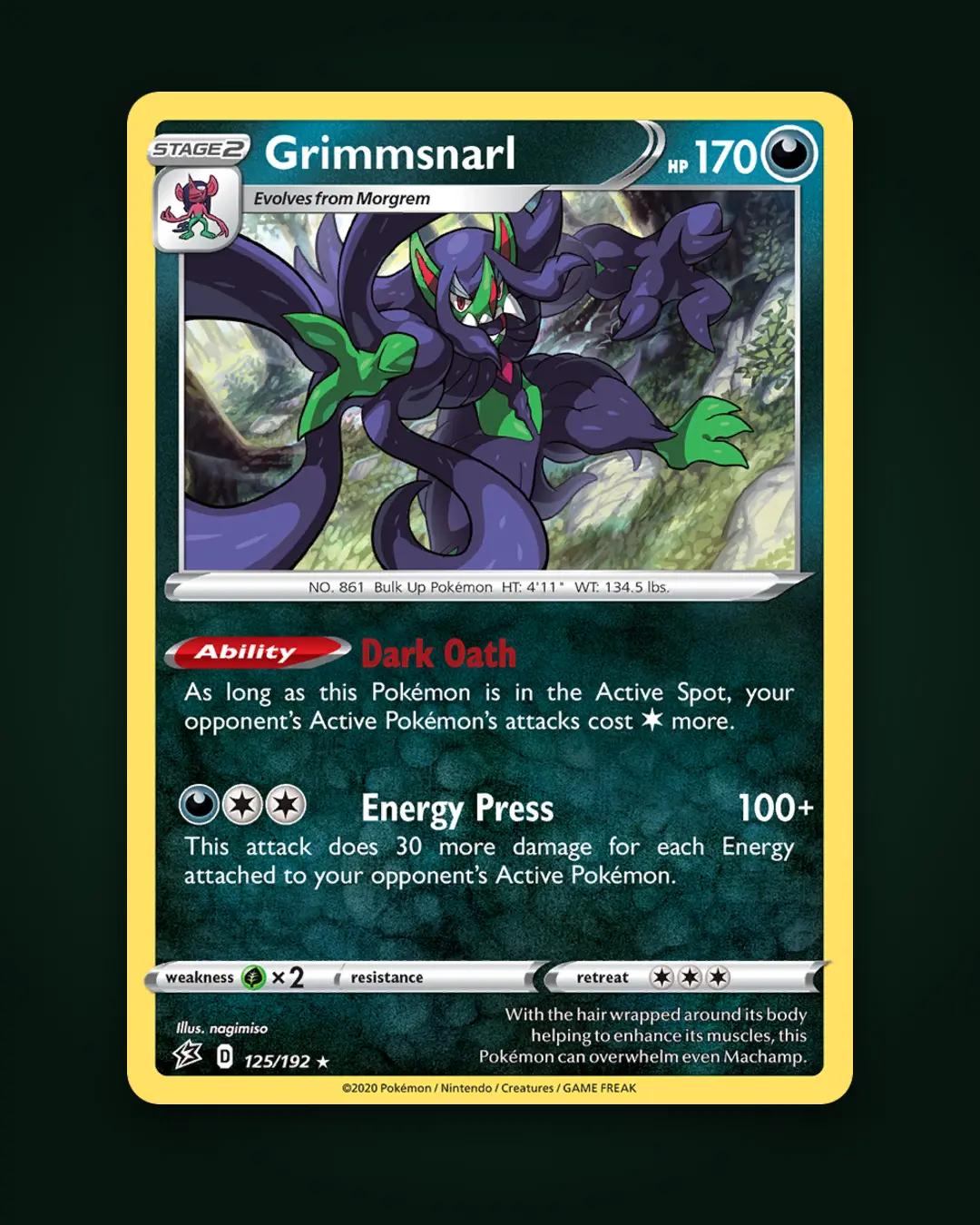
Georgia Trading Cards Play and Trade, Vendors & Pokémon Pitch Black -: what it means for collectors
The recent "Georgia Trading Cards Play and Trade, Vendors & Pokémon Pitch Black -" event has sent ripples through the collecting community, offering a vibrant snapshot of the evolving landscape for TCG enthusiasts. Held at the bustling Gwinnett County Fairgrounds, this gathering was more than just a local meet-up; it was a significant indicator of current market dynamics, community engagement, and the ongoing relevance of physical trading card events in a digital age. For collectors and graders alike, understanding the implications of "Georgia Trading Cards Play and Trade, Vendors & Pokémon Pitch Black -" is crucial right now, as it directly impacts how cards are valued, traded, and ultimately, graded. This event, organized by Georgia Trading Cards, showcased a thriving local market for Pokémon, Yu-Gi-Oh!, Magic: The Gathering, and various sports cards, underscoring the enduring passion that drives the hobby.
The Event Unpacked: A Beacon for Local Card Culture
What Happened at Gwinnett Fairgrounds?
The "Georgia Trading Cards Play and Trade, Vendors & Pokémon Pitch Black -" event was a testament to the robust health of the local trading card scene. As reported, the Gwinnett County Fairgrounds transformed into a lively hub where hundreds of collectors, players, and vendors converged. The event was meticulously organized by Georgia Trading Cards, creating an accessible platform for the community to engage in buying, selling, and trading. Beyond the transactional aspect, a major draw was the "Pitch Black" Pokémon tournament, which brought competitive play to the forefront, further solidifying the dual nature of the hobby: collecting and playing. The sheer volume of attendees and the variety of offerings made it clear that local events are indispensable for fostering a vibrant card culture.
Who Was There, and What Did It Mean?
The attendees represented a diverse cross-section of the collecting world, from seasoned veterans hunting for elusive graded cards to new enthusiasts eager to start their collections. Vendors showcased an impressive array of inventory, spanning iconic Pokémon sets, intricate Yu-Gi-Oh! archetypes, strategic Magic: The Gathering staples, and a wide selection of sports cards. This diversity meant that collectors had unparalleled access to a broad spectrum of cards, facilitating direct comparisons of condition, rarity, and market value. For those new to the hobby or looking to deepen their understanding, the presence of knowledgeable vendors and experienced collectors provided invaluable learning opportunities about card authentication, condition assessment, and current market trends. The event's success underscored the growing demand for in-person interactions, where the tactile experience of handling cards and the social aspect of trading remain paramount.
Direct Implications for Collectors and Graders
The energy and activity observed at events like the "Georgia Trading Cards Play and Trade, Vendors & Pokémon Pitch Black -" have several direct and immediate implications for collectors considering grading:
Increased Market Activity and Liquidity
Local events generate significant market liquidity. When a large number of buyers and sellers gather, it creates a concentrated marketplace where transactions happen rapidly. This increased local demand can temporarily drive up prices for certain desirable cards, particularly those in excellent condition. For collectors, this means:
- Faster Sales Cycles: Highly sought-after cards might sell quicker at such events, potentially even raw, if the local demand is strong.
- Informed Pricing: Observing live transactions and vendor pricing at the event provides real-time market data that can be more granular than online aggregators alone. This helps in determining if a card's potential graded value justifies the submission cost.
- Targeted Grading Opportunities: If you notice a specific card, like a Charizard Base Set, consistently drawing high interest or selling quickly at premium prices, it signals strong local demand. A pristine example of this card, potentially graded PSA 9 or 10, could command upwards of $500-$1000+ in 2026, depending on its subgrades and overall market health. Identifying such trends at local events allows collectors to prioritize which cards to grade for maximum return.
Condition Assessment and Authenticity
One of the most significant benefits of attending these events is the opportunity to physically inspect a vast number of cards. This hands-on experience is invaluable for:
- Benchmarking Condition: Seeing numerous cards helps collectors develop a more discerning eye for what constitutes "Near Mint" or "Gem Mint" quality, aligning their expectations with professional grading standards like those established by PSA, BGS, or CGC. This direct comparison can significantly improve a collector's ability to self-screen cards before submission.
- Spotting Fakes: Unfortunately, increased market activity can also attract counterfeiters. Local events offer a chance to examine many authentic cards, making it easier to identify discrepancies in print quality, texture, or color that might indicate a counterfeit. For high-value cards, professional grading remains the gold standard for authentication, offering peace of mind and preserving value.
Identifying Emerging Trends and Hidden Gems
Local events are often early indicators of shifting interests within the collecting community. A card or set that gains unexpected traction at a regional gathering might soon see increased demand on a broader scale.
- Discovering Niche Popularity: You might observe a surge of interest in a particular Yu-Gi-Oh! archetype, a specific Magic: The Gathering commander, or even a particular sports card rookie that isn't yet reflected in mainstream online pricing guides.
- Informed Investment: These insights can guide your collecting and grading decisions. If you already own a card that's showing renewed local popularity, it might be an ideal candidate for grading to capitalize on potential future price appreciation.
Before investing in a professional grading service, leverage MasterGrade's free AI card grader. It provides an immediate, objective assessment of your card's condition, helping you make an informed decision on whether a paid submission is likely to yield the desired grade.
Navigating the New Landscape: What Collectors Should Do Next
The insights gleaned from events like the "Georgia Trading Cards Play and Trade, Vendors & Pokémon Pitch Black -" underscore the dynamic nature of the hobby. Here's a concrete action plan for collectors:
Engage with Your Local Community
- Attend More Events: Seek out similar local and regional trading card shows, tournaments, and meet-ups. These are prime opportunities to network, learn, and stay abreast of local market trends.
- Join Local Groups: Participate in local TCG clubs or online forums specific to your region. These communities can provide alerts for upcoming events, local trading opportunities, and shared knowledge.
Strategic Grading for Local Market Advantage
Your decision to grade a card should be informed by both its inherent value and its potential market performance, especially within active local scenes.
- Decision Tree: When to Grade vs. Sell Raw
- High-Value Card + Excellent Condition: If a card, like a rare Surging Sparks chase card, shows minimal flaws and has a high raw value (e.g., $100+), professional grading is almost always advisable. A high grade (PSA 9 or 10) significantly multiplies its value and ensures authenticity.
- Mid-Value Card + Near-Perfect Condition: For cards with a raw value of $30-$100, grading can still be profitable if the card is undeniably Near Mint or better. Use tools like MasterGrade's free AI card grader to pre-screen for potential grades.
- Low-Value Card / Poor Condition: Unless it's a personal keepsake, grading is generally not recommended for cards with low raw value or noticeable flaws, as the grading cost often outweighs the potential increase in value.
- Immediate Liquidity Needed: If you need to sell a card quickly at a local event, selling it raw might be faster, even if it means a slightly lower price than a graded equivalent. Balance immediate cash flow against potential long-term value.
Leveraging Technology for Informed Decisions
In today's market, technology is a collector's best friend.
- Pre-Grade with AI: Before committing to a costly submission, use MasterGrade's free AI card grader to get an objective, data-driven assessment of your card's centering, corners, edges, and surface. This can save you money by preventing submissions of cards unlikely to achieve a high grade.
- Utilize Advanced Tools: Explore tools like MasterGrade's centering tool for precise measurements, the card identifier to quickly verify cards, and the collection tracker to monitor the real-time value of your assets. These resources empower you to make data-
Get card-grading tips & market news
Join collectors getting our best grading guides, value alerts, and set breakdowns. A few emails a month — no spam.
Stay in the loop
Get notified about new features, grading tips, and market updates.
Related guides
A notorious robber went to prison, then rebuilt his life. A $168,000
A notorious robber went to prison, then rebuilt his life. A \$168,000 — expert guide for card collectors on MasterGrade.
GuideBeckett TCG Singles and Sets Hot List for the Week of June 15, 2026: what it means for collectors
Beckett TCG Singles and Sets Hot List for the Week of June 15, 2026: what it means for collectors — expert guide for card collectors on MasterGrade.
Guide[MW] Ancient Cards Return to a Modern Metagame: what it means for collectors
Master Duel's latest update unbans old cards! Learn how this affects card values, grading, and your collection strategy. A collector's guide for 2026.
Grade your cards with AI
Upload a photo and get an instant condition grade with sub-scores and estimated values.
Grade a card free