
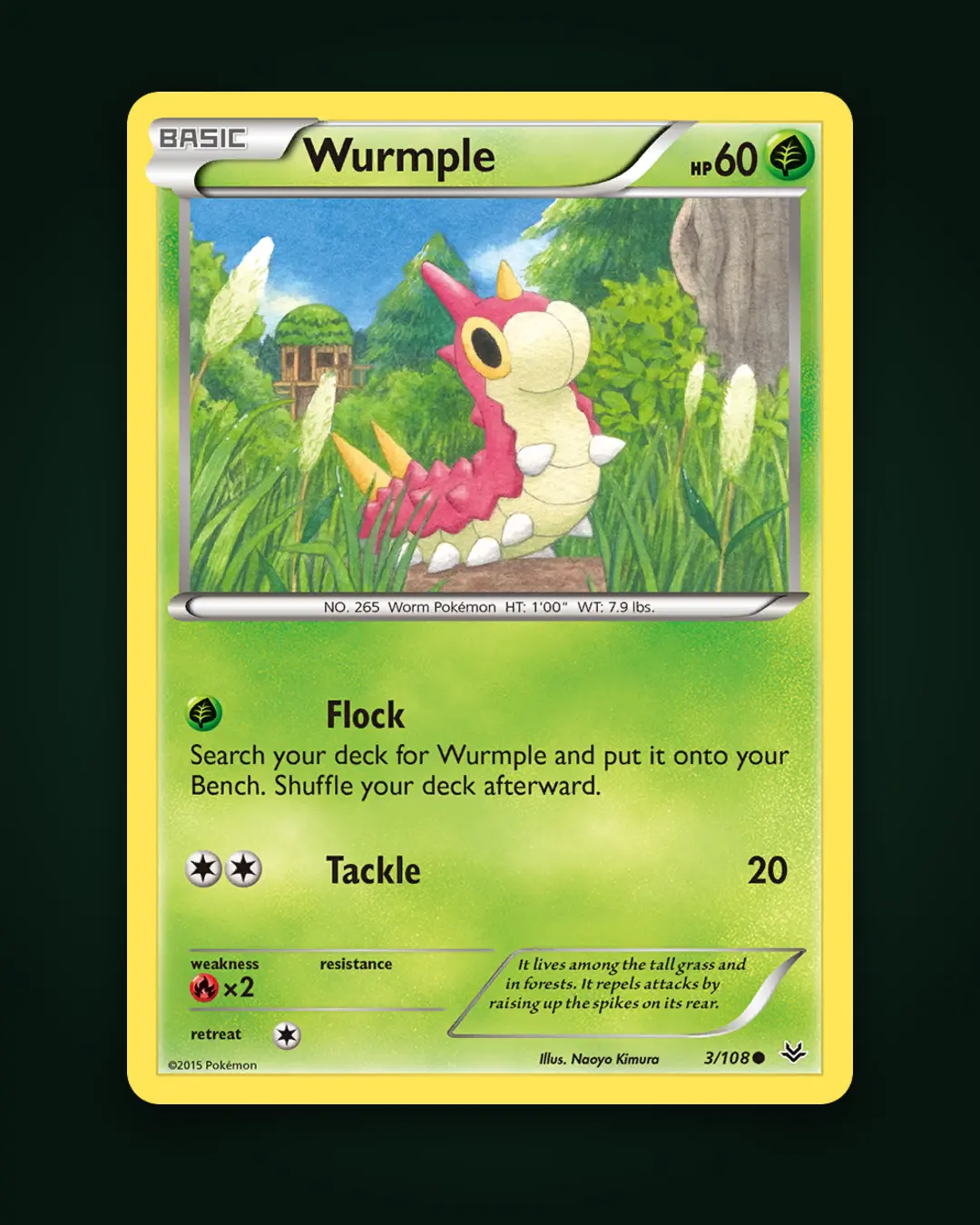
Fake Pokemon Cards: Authentication Checklist Before Grading
Navigating the booming market for collectible Pokémon cards can be exhilarating, but it also presents a significant challenge: the proliferation of fake Pokemon cards. Counterfeits pose a serious threat to collectors, diminishing the value of legitimate collections and undermining trust in the secondary market. Before you invest time and money in professional grading, understanding how to spot a fake is paramount. This guide provides an essential authentication checklist, empowering you to identify red flags from your own home photos and leverage MasterGrade's cutting-edge AI for an initial authenticity pre-screen.
The Rising Tide of Counterfeits: Why Authentication Matters More Than Ever
The Pokémon TCG market has experienced unprecedented growth, with rare cards fetching five, six, and even seven figures at auction. This explosion in value, coupled with advancements in printing technology, has unfortunately created a fertile ground for counterfeiters. From sophisticated proxies to obvious forgeries, fake Pokémon cards are increasingly common on online marketplaces, at card shows, and even in supposedly sealed products.
The financial implications for collectors are substantial. A single high-value fake, like a convincing counterfeit of a 1st Edition Shadowless Charizard, could cost an unsuspecting buyer tens of thousands of dollars. According to market analysis from Q1 2026, a genuine PSA 9 1st Edition Shadowless Charizard from the Base Set typically commands prices upwards of $20,000, while even a well-made fake might be passed off for hundreds or thousands, leading to significant losses and market instability. The integrity of your collection, and the hobby as a whole, hinges on robust authentication practices.
Your At-Home Authentication Checklist: The Visual Cues
Before you even consider professional grading, a thorough visual inspection using high-resolution photos (or the card itself) is your first line of defense. Remember, professional grading companies like PSA, BGS, and CGC employ stringent authenticity checks, and fakes will invariably fail these initial hurdles.
Card Stock and Feel
The physical properties of a card are often the most telling indicators of authenticity.
- Weight and Thickness: Genuine Pokémon cards have a consistent weight and thickness. Fakes often feel either too thin and flimsy or excessively thick and rigid. You can compare the suspect card to a known genuine card from the same era and set.
- Texture and Finish: Official cards have a distinct smooth, slightly glossy finish, but not overly slick. Many fakes have a noticeably different texture – either too matte, too rough, or excessively shiny.
- The "Black Line Test": This is a classic and highly effective method. Gently tear a common, low-value genuine Pokémon card in half (only do this if you have a spare you don't care about, or simply compare a genuine tear to a fake). You should see a thin, dark black line in the middle of the card stock. This is due to the black layer of adhesive used in legitimate card manufacturing to prevent light from shining through. Fakes often lack this layer, showing a uniform white or colored interior.
- Flexibility: Genuine cards have a certain "snap" when gently bent (never bend a valuable card!). Fakes might feel overly stiff or too easily bent without resistance.
Print Quality and Color Accuracy
Modern printing technology makes fakes harder to distinguish, but subtle imperfections remain.
- Pixelation and Blur: Official Pokémon cards are printed with crisp, clear lines and sharp images. Examine the card's artwork, text, and borders under magnification (a jeweler's loupe or a smartphone macro lens works wonders). Look for:
- Pixelation: Jagged or blocky edges where lines should be smooth.
- Blurriness: Artwork or text that appears soft or out of focus.
- Incorrect Dot Patterns: Genuine cards use a specific "rosette" dot pattern for color printing. Many fakes use a simpler, cruder dot matrix or a completely solid, inkjet-like print which lacks depth.
- Color Saturation and Hue: Compare the card's colors to high-resolution images of genuine cards from the same set. Fakes often have:
- Overly vibrant or washed-out colors.
- Incorrect color tones (e.g., a blue that's too light or too dark, a red that's off-shade).
- Inconsistent color distribution across the card.
Font and Text
The text on a Pokémon card is a treasure trove of authentication clues.
- Font Style and Size: Every official Pokémon set uses specific fonts for card names, HP, attacks, flavor text, and copyright information. Fakes often use:
- Incorrect font types that are subtly different.
- Inconsistent font sizes for different elements.
- Uneven spacing between letters or words.
- Energy Symbols and Rarity Symbols: Examine the energy symbols in attack costs and the rarity symbol (circle, diamond, star).
- Shape and crispness: Fakes may have distorted, blurry, or incorrectly shaped symbols.
- Color: Ensure the colors within the symbols are accurate.
- Set Symbol: The small set symbol (e.g., the jungle symbol, the fossil symbol) is often poorly replicated on fakes. Check its shape, size, and detail against known genuine examples. For newer sets like Surging Sparks, the symbol should be perfectly rendered.
- Copyright Information: Always check the copyright line at the bottom of the card. Fakes might have typos, incorrect dates, or omit crucial information.
Holofoil Pattern
For holographic cards, the holofoil pattern is a critical authentication point.
- Correct Holo Pattern: Different sets and eras use distinct holofoil patterns (e.g., the "cosmos" pattern for early Wizards of the Coast holos, vertical/horizontal streaks, or specific glitter patterns).
- Example: A genuine Charizard Base Set (non-shadowless, non-1st Edition) will feature a specific "cosmos" holofoil pattern, characterized by a uniform scattering of small, circular star-like glitters. A fake might have a generic rainbow sheen, a different pattern entirely, or no holo effect at all when it should.
- Sheen and Reflectivity: Genuine holofoils have a vibrant, dynamic sheen that shifts beautifully with light. Fakes often appear dull, flat, or have an overly reflective, almost sticker-like quality that doesn't refract light correctly.
- Holo Bleed: While "holo bleed" (where the holofoil extends beyond the designated artwork area) can be a legitimate print error on genuine cards, extreme or unusual holo bleed can sometimes be a sign of a fake, especially if combined with other red flags.
Edges and Corners
The physical cutting of the card can reveal a lot.
- Clean Cuts: Genuine cards are cut with precision. Examine the edges for:
- Roughness or jaggedness: Fakes often have uneven, fuzzy, or poorly cut edges.
- Layer separation: On older, poorly made fakes, the layers of card stock might be visibly peeling or separated along the edges.
- Corner Roundness: Official Pokémon cards have perfectly uniform, rounded corners. Fakes often have:
- Too sharp or too blunt corners.
- Inconsistent rounding from one corner to the next.
Back of the Card
Don't neglect the back! It's just as important as the front.
- Color Matching: The iconic blue border and Pokeball design on the back of Pokémon cards should be consistent in color and hue. Compare to a known genuine card. Fakes often have:
- Washed-out or overly dark blue borders.
- Incorrect shades of red and white in the Pokeball.
- Print Consistency: The details of the Pokeball and the swirl pattern should be sharp and consistent across the entire back. Look for:
- Blurriness or smudging.
- Misalignment of the Pokeball design.
Distinguishing Print Defects from Fakes
It's crucial to differentiate between a genuine print defect (which can sometimes increase a card's value) and a sign of a counterfeit.
- Genuine Print Defects: These are errors that occurred during the official printing process, indicating a real card. Examples include:
- Miscuts: Where the card is cut off-center, sometimes showing parts of an adjacent card.
- Ink Errors: Minor splotches, streaks, or missing ink in small areas.
- Crimps: Physical indentations from being caught in machinery during packaging.
- Holo Bleed: As mentioned, legitimate holofoil extending slightly beyond the artwork.
- Example: A legitimate miscut Charizard Base Set might have a sliver of another card visible on its edge, but all other authentication checks (card stock, print quality, holofoil) would confirm its authenticity.
- Signs of a Fake: If a card exhibits multiple "defect-like" issues alongside poor card stock, incorrect fonts, or an incorrect holofoil, it's almost certainly a fake. Counterfeiters rarely perfectly replicate every aspect of a genuine card, and their "errors" stem from poor manufacturing rather than legitimate printing anomalies.
Seller Scams and Red Flags
Beyond the card itself, the seller and listing details can provide crucial clues.
- "Too Good to Be True" Prices: This is the biggest red flag. If a rare, high-value card is listed at a fraction of its market price (e.g., a "mint" 1st Edition Shadowless Charizard for $500), it's almost certainly a fake or a scam. Research current market values using platforms like MasterGrade's pricing page or reputable auction sites.
- Poor Seller Reputation/Feedback: Always check a seller's feedback history, especially for high-value items. Look for:
- Low feedback scores.
- Negative reviews specifically mentioning fakes, misrepresentations, or poor communication.
- New accounts selling high-value cards without a track record.
- Lack of Clear, High-Resolution Photos: Reputable sellers will provide multiple, clear photos from various angles, including close-ups of specific details. Be wary of listings with:
- Blury or low-resolution images.
- Only stock photos or images pulled from the internet.
*
Get card-grading tips & market news
Join collectors getting our best grading guides, value alerts, and set breakdowns. A few emails a month — no spam.
Stay in the loop
Get notified about new features, grading tips, and market updates.
Related guides
A Comprehensive Guide To Spot Fake Pokémon Cards: what it means for collectors
A Comprehensive Guide To Spot Fake Pokémon Cards: what it means for collectors — expert guide for card collectors on MasterGrade.
Guide2026 Pokémon North America International Championships now underway: what it means for collectors
2026 Pokémon North America International Championships now underway: what it means for collectors — expert guide for card collectors on MasterGrade.
GuidePokémon TCG's next big set can be yours for cheap weeks before it
Pokémon TCG's next big set can be yours for cheap weeks before it — expert guide for card collectors on MasterGrade.
Grade your cards with AI
Upload a photo and get an instant condition grade with sub-scores and estimated values.
Grade a card free