
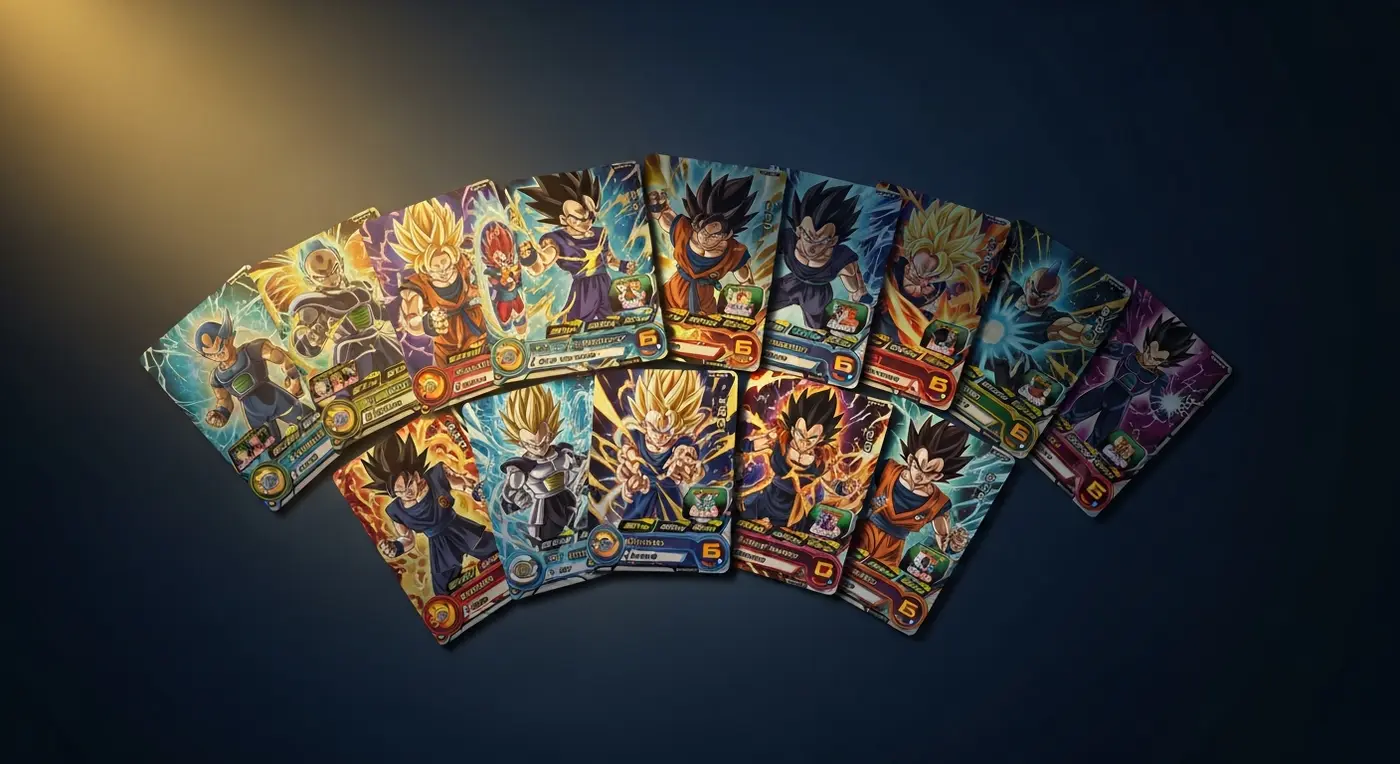
Dragon Ball Super Set Review: Latest Expansion — What to Grade
*
Dragon Ball Super card collecting is hotter than a Super Saiyan God transformation! With each new set release, the community buzzes with excitement, eager to rip packs and chase the most valuable and visually stunning cards. Navigating the latest expansions can be tricky, though. Which cards deserve to be graded? Which are the true chase cards that will hold their value? Fear not, fellow collectors! This comprehensive review of the most recent Dragon Ball Super set will guide you through the grading landscape, helping you identify the prime candidates for encapsulation and preservation.
Analyzing the Newest Dragon Ball Super Set
Before we dive into specific cards, let's assess the overall quality and characteristics of the latest Dragon Ball Super set (replace with actual set name here, for example: "Realm of the Gods"). Consider these factors:
Once you've considered these general aspects, you can begin to identify the cards with the greatest potential for high grades and long-term value.
Chase Cards and Grading Candidates
Now for the fun part: pinpointing the cards that scream "Grade me!". While individual preferences vary, here are some general guidelines and specific examples to consider, based on typical trends in Dragon Ball Super TCG:
Practical Advice for Identifying Grading Candidates:
Utilizing MasterGrade's AI Grading Tool
Grading cards can be subjective, and even experienced collectors can sometimes miss subtle flaws. That's where MasterGrade's AI-powered grading tool comes in handy. Our technology analyzes card images with meticulous precision, identifying potential flaws that the human eye might overlook.
While MasterGrade doesn't replace professional grading services, it provides a valuable preliminary assessment, helping you determine which cards are most likely to receive a high grade. Simply upload clear, well-lit images of your cards, and our AI will provide an estimated grade range, along with detailed feedback on centering, surface condition, edges, and corners. This can save you time and money by allowing you to focus your grading efforts on the most promising candidates. It's a great way to double-check your own assessment before submitting to a grading company.
Preparing Your Cards for Submission
Once you've identified your grading candidates, it's essential to prepare them properly for submission. Follow these steps:
Conclusion
The Dragon Ball Super card game continues to evolve, with new sets constantly introducing exciting cards and investment opportunities. By understanding the characteristics of each set, identifying the chase cards, and utilizing tools like MasterGrade's AI grading platform, you can confidently navigate the grading landscape and maximize the value of your collection. Remember to always do your research, handle your cards with care, and enjoy the thrill of the hunt!
Get card-grading tips & market news
Join collectors getting our best grading guides, value alerts, and set breakdowns. A few emails a month — no spam.
Stay in the loop
Get notified about new features, grading tips, and market updates.
Related guides
Dragon Ball Fusion World (SB02) Manga Booster Vol. 2 Checklist and: what it means for collectors
Dragon Ball Fusion World (SB02) Manga Booster Vol. 2 Checklist and: what it means for collectors — expert guide for card collectors on MasterGrade.
GuideDragon Ball Super Card Game: Realm Of The Gods Booster Pack – Factory: what it means for collectors
Dragon Ball Super Card Game: Realm Of The Gods Booster Pack – Factory: what it means for collectors — expert guide for card collectors on MasterGrade.
GuideDragon Ball Super Card Game: Fusion World Now Available on TCGplayer!: what it means for collectors
Dragon Ball Super Card Game: Fusion World Now Available on TCGplayer!: what it means for collectors — expert guide for card collectors on MasterGrade.
Grade your cards with AI
Upload a photo and get an instant condition grade with sub-scores and estimated values.
Grade a card free